


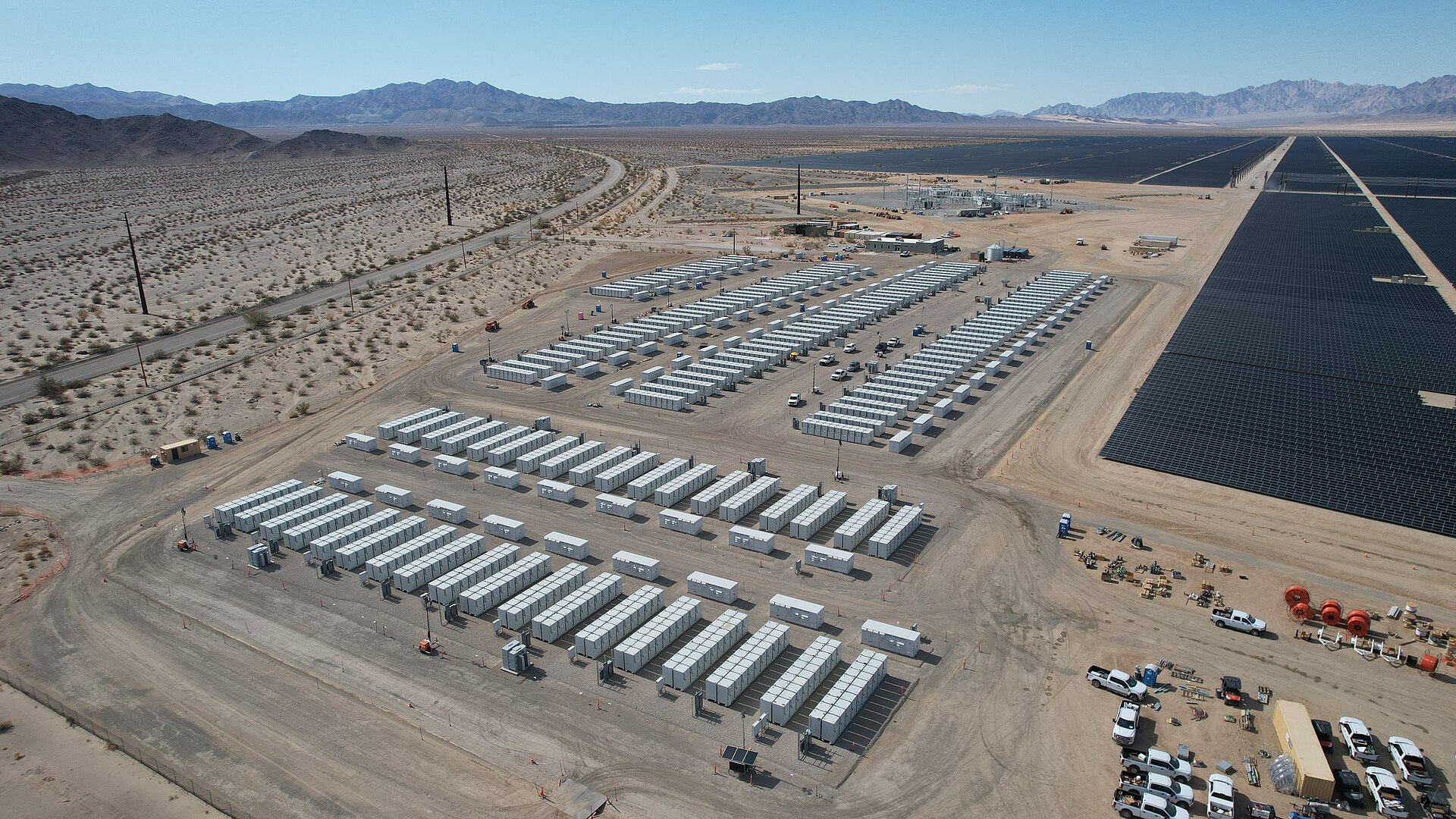


Jupiter Wagons said in a filing on 5 October 2026 that its energy business, JEM Energy, has won a 41 MW/102.5 MWh standalone battery energy storage project from Uttarakhand Power Corporation, bidding with Madhav Infra Projects. Together with a 50 MW/200 MWh award in West Bengal, the two projects total 91 MW and 302.5 MWh, about 0.6 percent of the 50 GWh of storage that India’s Union Cabinet approved five days earlier.
What the filing says, and what it leaves open
The Uttarakhand partnership emerged as the L1 bidder for Cluster C of the utility’s tender, held under the tariff based competitive bidding mechanism. L1 is the lowest bid position, not a letter of award, and the filing describes the outcome as a win without stating that an award has been issued. The West Bengal project is further along: the company has received the formal letter of award from the West Bengal State Electricity Distribution Company for a 50 MW/200 MWh standalone system at the Jeerat 132 kV substation in North 24 Parganas, secured in August 2026.
| Project | Power | Energy | Duration | Status |
|---|---|---|---|---|
| Uttarakhand, Cluster C | 41 MW | 102.5 MWh | 2.5 hours | L1 bidder, with Madhav Infra Projects |
| Jeerat 132 kV substation, West Bengal | 50 MW | 200 MWh | 4 hours | Letter of award received |
| Total | 91 MW | 302.5 MWh | 3.3 hours |
The durations differ: 102.5 MWh over 41 MW is 2.5 hours, and 200 MWh over 50 MW is 4 hours. The company says the projects envisage supply and commissioning of approximately Rs 100 crore of BESS system but does not say whether that figure covers both projects or only one.
The Rs 100 crore question
The scope matters for the price per kWh. If Rs 100 crore covers only the Uttarakhand project, it equals about Rs 9,756 per kWh of capacity (Rs 1,000,000,000 divided by 102,500 kWh). If it covers both projects, it equals about Rs 3,306 per kWh. The filing’s wording, projects in the plural, points toward the second reading, but a figure that low would be about a third of the benchmark implied by the new national scheme, so the first reading cannot be excluded.
That benchmark comes from the Cabinet’s Green Energy Corridor Phase III decision. The scheme provides Rs 50,000 crore for 50 GWh of battery storage, which works out to Rs 1,000 crore per GWh or Rs 10,000 per kWh of outlay. Outlay is not the same as a supplier’s contract price, because the scheme figure covers a programme and not only supply and commissioning, so the comparison shows an order of magnitude and not a margin.
Duration decides how fast 50 GWh fills
The scheme counts storage in gigawatt hours, so duration matters as much as power. Per megawatt of grid connection, a 2.5 hour project delivers 62.5 percent of the energy of a 4 hour project (2.5 divided by 4), which means the mix of durations in future tenders will change how many megawatts are needed to reach the 50 GWh target. The two Jupiter Wagons projects already span that range.
The national frame: 135 GW of evacuation and 50 GWh of storage
The Union Cabinet approved Green Energy Corridor Phase III on 30 September 2026. The scheme strengthens the intra state transmission system to evacuate up to 135 GW of renewable energy and provides for 50 GWh of battery storage at the renewable developer or generator end, or at other locations of importance for grid flexibility, to address intermittency, congestion, peak hour curtailment and non solar hour demand. Total outlay is Rs 1,86,405 crore, of which Rs 1,36,378 crore is for transmission and Rs 50,000 crore for storage, with central financial support of Rs 54,082 crore. The target date is the financial year 2032 to 2033.
Both Jupiter Wagons projects are substation level, which the company calls central to the scheme. Against the 50 GWh target, the Uttarakhand project alone is 0.2 percent, and at 102.5 MWh each it would take about 490 projects of that size to reach 50 GWh, so the pace of awards, not any single win, is the figure to track. For another view of the same market, see the SECI 3.2 GWh storage tender and its tight timelines.
The dated checks are few. The Uttarakhand letter of award has no date, the scheme target is the financial year 2032 to 2033, and detailed scheme guidelines and bidding documents are still to come. Sources: Jupiter Wagons regulatory filing of 5 October 2026; Union Cabinet statement on Green Energy Corridor Phase III, 30 September 2026.
Add EnergyNews.biz as a preferred source on Google


