




The International Energy Agency (IEA), in its Renewables 2026 report, identifies energy security as a major driver of renewable deployment, while highlighting the growing need for storage and flexibility as solar and wind take a larger share of electricity generation.
The IEA forecasts almost 4,800 GW of additional renewable power capacity between 2026 and 2031, 57% more than during the previous six-year period. Solar PV will account for more than three-quarters of this expansion. Renewables are expected to supply 43% of global electricity generation by 2031, up from 33% in 2025.
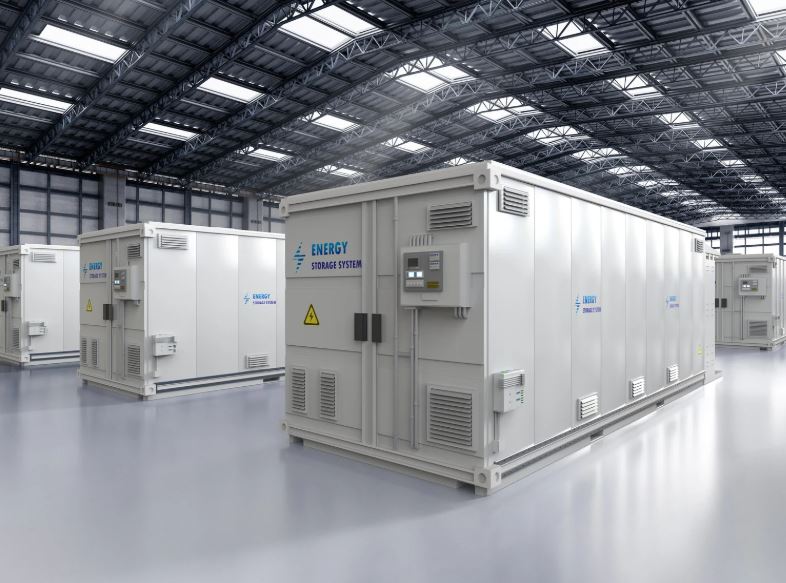
This expansion is changing the role of battery storage. Rather than serving only as a complementary technology to renewable generation, batteries are becoming part of the infrastructure needed to manage variable output, reduce peak demand and improve the value of electricity produced by distributed solar installations.
Behind-the-meter storage gains importance
Behind-the-meter battery systems, installed at homes and commercial facilities, are attracting greater attention as consumers look to increase solar self-consumption, reduce electricity bills and limit exposure to unreliable grid supply.
The IEA identifies consumer-led solar deployment as an increasingly important feature of the energy transition. Additional rooftop solar capacity has improved electricity access and services for at least 70 million households since 2022, while off-grid solar PV capacity is expected to increase 2.5 times to approximately 80 GW by 2031.
Although these figures relate to solar rather than battery installations, they point to a growing market for decentralized energy systems in which storage can play an important role. Batteries allow households and businesses to retain surplus solar generation for use when production falls or electricity prices rise.
For commercial users, the business case extends beyond self-consumption. Battery systems can support peak shaving, load shifting and participation in demand-response programs. When combined with energy management software and distributed generation, they can also become part of virtual power plants that aggregate multiple installations to provide services to the electricity grid.
Residential installations have historically been an important market for behind-the-meter storage, driven largely by rooftop solar adoption. However, commercial and industrial users offer additional opportunities as businesses seek greater control over electricity costs and supply reliability.
Battery systems can help commercial facilities manage demand peaks, shift consumption away from expensive periods and reduce exposure to fluctuating electricity prices. Their economics depend on local tariff structures, demand charges, available incentives and the ability to monetize flexibility services.
The broader battery market is also expanding rapidly. According to the IEA’s Global Energy Review 2026, approximately 108 GW of new battery storage capacity was deployed worldwide in 2025, an increase of 40% from 2024. Around 80% of new capacity was utility-scale, indicating that large installations still dominate deployment, even as distributed storage gains strategic importance.
IEA
Solar-plus-storage becomes increasingly relevant
The growing deployment of distributed solar is strengthening the case for integrated battery systems. As solar penetration increases, the value of electricity generated during peak production hours can decline, particularly in markets experiencing midday oversupply and lower wholesale prices.
Storage offers a way to shift some of that generation to periods of higher demand. For households, this can increase the share of solar electricity consumed on-site. For businesses, it can improve energy cost management and provide additional flexibility.
Germany provides an example of a mature residential solar and storage market, although adoption rates vary depending on installation type, incentives and market conditions. More broadly, the IEA identifies hybrid projects combining solar PV, wind and batteries as an increasingly attractive option for improving dispatchability and reducing renewable curtailment.
The agency estimates that technical curtailment of wind and solar reached almost 200 TWh in 2025 and could exceed 800 TWh by 2031 if integration challenges intensify. This highlights the scale of the flexibility requirement, although batteries alone cannot address it. Grid expansion, interconnections, demand response and dispatchable generation will also be necessary.
The disruption of energy flows through the Strait of Hormuz has reinforced the connection between renewable deployment and energy security. The IEA expects renewable capacity additions in emerging and developing economies outside China to match those in advanced economies for the first time during 2026 to 2031.
China will remain the largest contributor to global renewable expansion, but its share is expected to decline from more than 60% in 2025 to an average of 53% during the forecast period. India, Southeast Asia, Africa and the Middle East are expected to increase their contributions.
For these markets, distributed solar and battery systems can reduce dependence on imported fuels while improving electricity access and reliability. However, wider adoption will depend on financing, battery costs, grid regulations and the availability of suitable installation and maintenance services.
Add EnergyNews.biz as a preferred source on Google


