






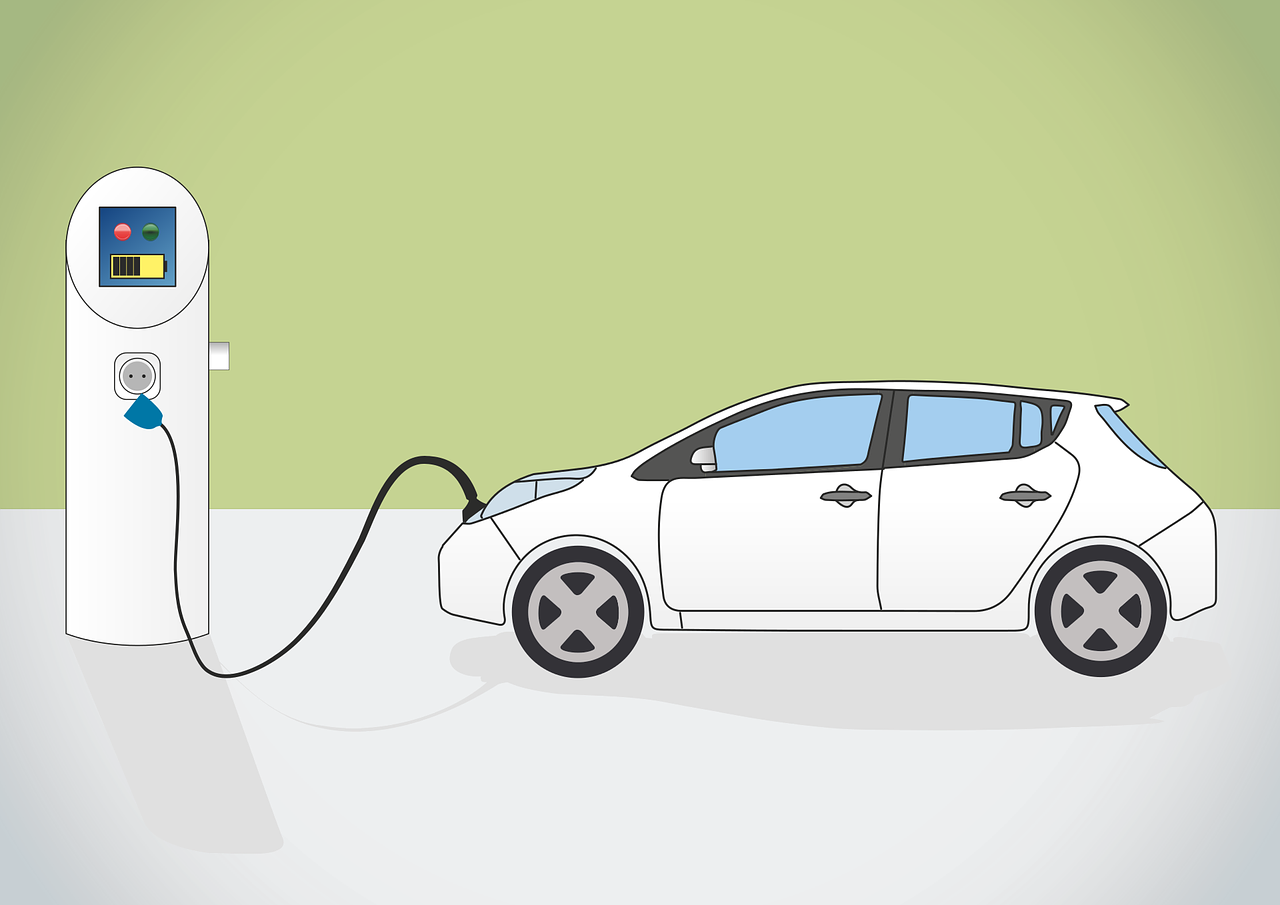
As demand for electric vehicles, renewable energy infrastructure, battery storage, advanced electronics, and artificial intelligence systems accelerates, critical minerals are increasingly becoming the foundation upon which decarbonization strategies depend.
According to widely cited industry projections, demand for minerals such as lithium, nickel, cobalt, copper, and rare earth elements could increase several-fold by 2040 under ambitious energy transition scenarios. Electric vehicles alone illustrate the scale of the challenge. A typical battery electric vehicle contains more than 200 kilograms of critical minerals, substantially more than a conventional internal combustion vehicle. With electric vehicles expected to account for a majority of global vehicle sales in coming decades, the pressure on mineral supply chains is set to intensify.
Much of the current policy discussion focuses on securing access to primary mineral resources. Governments are pursuing mining investments, trade agreements, and industrial policies aimed at reducing dependence on a limited number of supplier nations. Concerns over supply concentration, geopolitical tensions, and resource nationalism have become central themes in energy security debates.
These concerns are legitimate. The production and processing of several critical minerals remain heavily concentrated geographically, exposing supply chains to political, economic, and logistical disruptions. Price volatility has already demonstrated how quickly market imbalances can affect downstream industries, particularly battery manufacturing and electric vehicle production.
However, the dominant policy response remains largely focused on expanding extraction capacity. While additional mining will almost certainly be necessary to meet future demand, an exclusive emphasis on primary supply risks overlooking a structural weakness embedded within current industrial systems: the overwhelming majority of critical mineral value chains remain fundamentally linear.
Today, minerals are extracted, processed, incorporated into products, and eventually discarded at the end of their useful life. Even where recycling systems exist, recovery rates for many critical materials remain relatively low, and products are often not designed to facilitate efficient disassembly, refurbishment, or material recovery.
This creates a paradox. While governments and industries worry about future shortages, significant volumes of critical minerals are already embedded within existing assets. Electric vehicle batteries, consumer electronics, grid infrastructure, and renewable energy installations collectively represent growing reservoirs of valuable materials that could eventually supplement primary supply if effective recovery systems are established.
The concept of a circular economy seeks to address this disconnect by extending product lifecycles, maximizing asset utilization, and recovering materials at the highest possible value. In the context of critical minerals, circularity extends far beyond recycling. Product design, repairability, remanufacturing, second-life applications, digital tracking systems, and asset ownership models all influence how effectively materials can remain within the economic system.
For battery technologies in particular, these decisions carry long-term consequences. The first large wave of electric vehicle batteries is beginning to approach retirement from automotive use. Yet many of these batteries retain sufficient performance for stationary energy storage applications. Repurposing batteries before material recovery can extend asset value while reducing pressure on raw material demand.
The challenge is that circularity cannot be retrofitted easily. Decisions made during product development often determine whether materials can be economically recovered years later. Battery chemistry selection, product architecture, modular design, and data management standards all affect future recovery opportunities. Once products enter the market at scale, altering these characteristics becomes significantly more difficult and costly.
The same principle applies at the system level. Collection networks, recycling infrastructure, regulatory frameworks, and market incentives require years to develop. Delays in establishing these systems risk creating future bottlenecks precisely when large volumes of batteries and clean energy equipment begin reaching end-of-life stages.
Regulatory developments suggest policymakers are increasingly recognizing this challenge. Emerging measures such as battery passports, recycled content requirements, and extended producer responsibility frameworks are designed to improve transparency and encourage resource recovery. These policies reflect a growing understanding that supply security is not solely determined by mining output but also by how effectively materials already within the economy are managed.
For businesses, the implications extend beyond regulatory compliance. Companies that secure access to secondary material streams may gain strategic advantages in an increasingly competitive market for critical resources. Some organizations are beginning to explore business models that treat batteries and their underlying materials as long-term assets rather than one-time products. Such approaches could create recurring value streams while improving resilience against commodity price fluctuations.
The economic rationale is becoming increasingly difficult to ignore. Building circular systems during the early stages of industry expansion is generally more cost-effective than redesigning mature value chains later. As clean energy deployment accelerates, decisions made today regarding infrastructure, standards, and product design will shape material flows for decades.