




As oil prices climbed above $100 per barrel following disruptions linked to the Strait of Hormuz, Europe’s largest parliamentary bloc, the European People’s Party, renewed calls to accelerate clean energy deployment and reduce reliance on imported fuels.
The policy prescription aligns with long-standing EU objectives, yet its credibility is increasingly scrutinized against a legislative track record that has often slowed or diluted the same transition it now promotes.
The tension is not merely political. It directly intersects with Europe’s structural exposure to volatile global energy markets. Imported fossil fuels continue to dominate parts of the EU’s energy mix, leaving consumers and industry vulnerable to geopolitical shocks. The current price surge underscores a persistent gap between stated ambitions to achieve energy independence and the pace at which enabling infrastructure and regulatory frameworks have been implemented.
Industry signals are becoming more explicit. At recent European policy forums, companies including Coca-Cola, IKEA, and Amazon emphasized that policy instability remains a primary barrier to investment in clean energy and industrial decarbonization. Their argument is grounded in capital allocation realities. Large-scale renewable projects, grid expansions, and electrification strategies require regulatory clarity over multi-year horizons. When policy direction shifts or weakens, project pipelines slow, financing costs increase, and deployment timelines extend.
This dynamic is evident in the EU’s legislative process. The EPP has played a central role in shaping climate and energy policy outcomes, often supporting amendments that reduce the stringency or delay the implementation of key measures. These include efforts to soften emissions targets, adjust land use frameworks, and extend transitional provisions for fossil fuel infrastructure. While such positions are frequently framed as protecting industrial competitiveness, they can also limit the speed and scale of renewable deployment needed to reduce import dependency.
The external dimension of this policy approach further complicates the narrative. Engagements by EPP-affiliated policymakers with lobbying positions associated with companies such as ExxonMobil, Chevron, and Koch Industries highlight the influence of incumbent energy interests in shaping legislative outcomes. This alignment raises questions about whether short-term economic considerations are being prioritized over long-term structural resilience.
The consequences of legislative delay are measurable in energy system outcomes. Slower deployment of renewable generation and grid infrastructure prolongs reliance on imported hydrocarbons. Each year of deferred investment translates into continued exposure to global price volatility. In the current context, the link is direct. The inability to sufficiently decouple from fossil fuel imports amplifies the transmission of geopolitical disruptions into European energy prices.
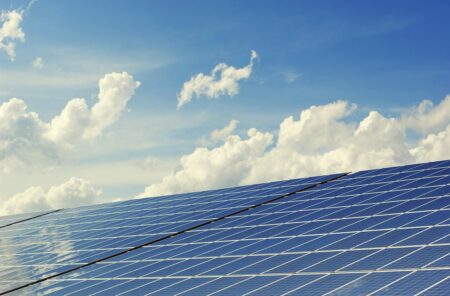
At the same time, the policy solutions being proposed remain technically sound. Accelerating renewable capacity, strengthening transmission networks, and scaling electrification would reduce price volatility by shifting the energy mix toward domestically generated sources. Unlike fossil fuels, renewable electricity is not subject to international commodity price swings, offering a pathway to greater price stability over time. The issue lies less in the validity of these solutions and more in the consistency of their implementation.
For investors, the central variable is regulatory predictability rather than political messaging. The divergence between stated policy goals and legislative execution creates uncertainty that directly affects capital deployment decisions. This uncertainty is particularly acute in sectors such as hydrogen, grid infrastructure, and industrial decarbonization, where long payback periods require confidence in stable policy frameworks.