





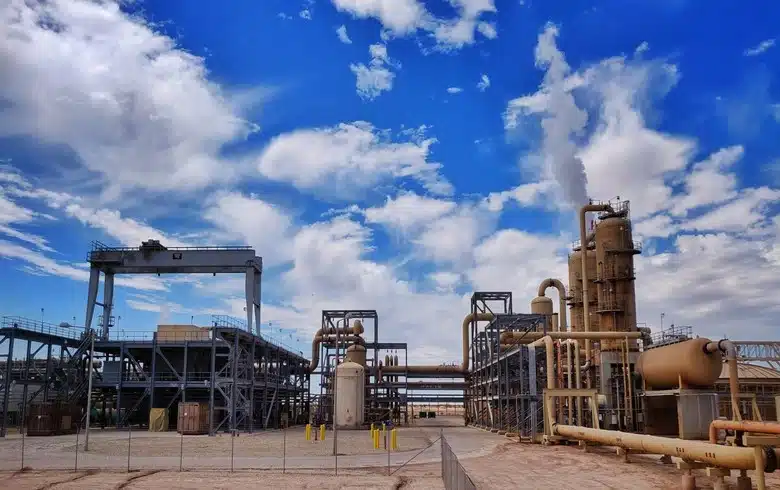
Fervo Energy has synchronized the first of three 33-megawatt generating blocks at Cape Station to the grid, a genuine technical milestone for enhanced geothermal systems. What has actually reached commercial operation so far is one block, not the roughly 100-megawatt first phase the announcement is being measured against, with the remaining two blocks not expected online until January 1, 2027.
That distinction matters because Cape Station’s broader numbers, a 500-megawatt combined first and second phase by 2028, up to 3 gigawatts contemplated under Fervo’s framework agreement with Google through 2033, and roughly 900 megawatts described as covered by power purchase agreements or other contracted offtake, are being cited alongside a milestone that technically covers 33 megawatts of verified operating capacity. The 900 megawatt offtake figure itself blends two different kinds of commitment. Google’s September agreement, the most recent addition to that portfolio, includes a firm 396 megawatt purchase commitment alongside a separate option, not an obligation, to buy up to another 600 megawatts by June 2030. Describing both the firm commitment and the unexercised option as part of the same “contracted” total is a reasonable way to characterize the relationship’s scale, but the two carry different levels of certainty: 396 megawatts is a binding purchase agreement, while the additional 600 megawatts remains something Google may or may not exercise depending on how Cape Station’s build-out and pricing develop over the next several years.
Fervo’s cost position going into this milestone is also more specific, and more cautious, than the “landmark moment” framing suggests on its own. The company has previously disclosed an all-in capital cost of 7,000 dollars per kilowatt for the first phase now partially operating, with a target of 5,500 dollars per kilowatt for the second 400 megawatt phase under construction and a longer-term goal of 3,000 dollars per kilowatt that the company has not yet demonstrated at scale. Reaching first power on one 33 megawatt block confirms the underlying drilling and generation technology functions as designed; it does not, on its own, confirm the cost curve Fervo is counting on to make later phases competitive with other firm power sources, since that curve depends on repeat-build efficiencies that only show up once multiple phases are actually complete and compared against each other.
The financing and capital markets activity around Cape Station has moved faster than the physical build-out, which is itself informative about how investors are pricing the project’s risk. Fervo secured 421 million dollars in non-recourse project financing for the first phase, a debt structure where lenders are repaid only from the project’s own cash flows rather than Fervo’s broader balance sheet, a financing type that typically requires lenders to have confidence in a project’s completion and revenue timeline before construction risk has fully cleared. The company’s Nasdaq listing on May 14 priced 70 million shares at 27 dollars for an initial 1.89 billion dollars, with underwriters’ subsequent exercise of their overallotment option pushing total gross proceeds to approximately 2.2 billion dollars, a level of demand that, combined with the shares trading up sharply on debut, suggests public investors were pricing in confidence about exactly the kind of first-power milestone Cape Station has now reached before it had actually occurred.
None of this diminishes what Fervo has verified: enhanced geothermal generation exported to the grid from a large, greenfield commercial development, following on from Project Red in Nevada, the smaller pilot that began supplying power in 2023 and gave Fervo and Google their first working relationship. What Cape Station has not yet demonstrated is the part of the story that matters most for whether EGS becomes a genuinely scalable category of firm power rather than a well-executed but expensive first project: two more 33-megawatt blocks reaching commercial operation on schedule by January 2027, a 400-megawatt second phase completing on its 2028 target at a cost meaningfully below the first phase’s 7,000 dollars per kilowatt, and Google’s optional 600 megawatts converting from a contractual possibility into an exercised purchase. Each of those is a distinct test still ahead, and the “closely watched” comparison to horizontal drilling’s cost transformation in oil and gas will be decided by how those specific milestones land, not by the first block’s successful synchronization alone.