
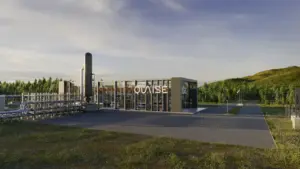





Sustainable Energy Solutions Sweden Holding AB has agreed to sell its 85 megawatt, 170 megawatt hour battery energy storage project at the Pyhäsalmi mine to a Frankfurt based infrastructure investor, signaling growing institutional appetite for mature Nordic storage assets positioned for both frequency regulation and wholesale market arbitrage.
The Pyhäsalmi project stands out primarily because of its readiness. Located at a non active mine with established grid connections, the asset is classified as ready to build, reducing development and permitting risk in a market where timelines are increasingly scrutinized by capital providers. Designed to serve Finland’s frequency containment reserve markets while also participating in energy price arbitrage, the system reflects how revenue stacking has become essential for large scale batteries as single service business models struggle to deliver bankable returns.
The buyer, an infrastructure investor managing approximately EUR 2 billion in assets with a track record in Nordic energy, will acquire the project company itself. While financial terms were not disclosed, SENS confirmed the divestment will materially strengthen its liquidity and future investment capacity, underlining a familiar strategy among developers who monetize late stage assets to recycle capital rather than carry them through construction and operation.
Finland’s battery storage market has moved quickly from pilot scale into utility scale over the past two years. The country’s growing wind capacity has increased volatility in spot prices, while the phaseout of Russian electricity imports has heightened the value of fast responding flexibility. Fingrid’s reserve markets, particularly frequency containment reserves, remain among the more liquid in Europe, supporting merchant revenue assumptions that international investors increasingly find acceptable when paired with mature project execution.
Pyhäsalmi also sits within a broader energy cluster being developed by SENS, highlighting another trend shaping investor interest: co location. Former mining sites offer large footprints, robust grid infrastructure, and potential for future integration with hydrogen production, data centers, or additional storage assets. While this transaction focuses solely on the battery project, the site’s longer term optionality likely factored into valuation considerations.
From SENS’s perspective, the sale reflects a shift toward portfolio optimization rather than long term asset ownership. Chief executive Anders Björkenbo emphasized that Pyhäsalmi is one of the company’s most advanced projects, making it a logical candidate for divestment as the firm looks to accelerate development elsewhere. In practical terms, monetizing a mature asset ahead of construction reduces balance sheet exposure to cost inflation and supply chain uncertainty that continue to affect battery projects across Europe. The transaction is expected to close in the first quarter of 2026.


