




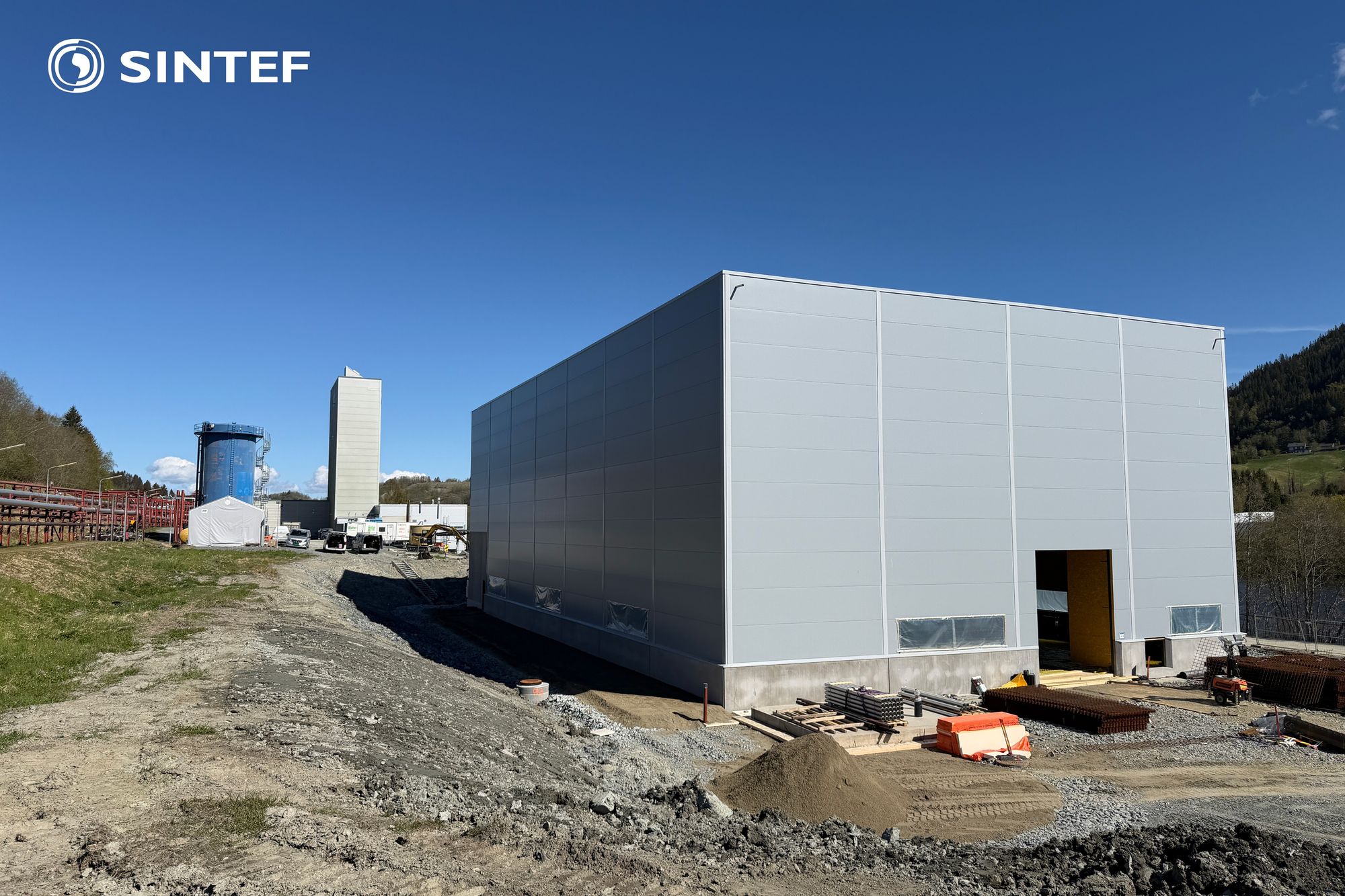
Power to Hydrogen has secured a binding commercial order from SINTEF for a 0.5 MW anion exchange membrane electrolyzer system that will support a carbon utilization project in Tiller, Norway.
Scheduled for delivery in the fourth quarter of 2026, the system will supply green hydrogen for the PYROCO2 initiative, an EU Horizon 2020 Green Deal project focused on converting captured carbon dioxide into acetone using gas fermentation processes.
The project reflects a broader shift in the hydrogen sector, where attention is increasingly moving from mobility applications toward industrial decarbonization pathways capable of generating direct commercial outputs. Rather than using hydrogen solely as an energy carrier, projects such as PYROCO2 aim to integrate hydrogen into chemical production chains where carbon feedstocks remain difficult to eliminate.
Acetone represents a strategically relevant target for this approach. The chemical is widely used across solvents, plastics, coatings, and industrial manufacturing, with global demand measured in millions of metric tons annually. Conventional acetone production is heavily dependent on petrochemical processes linked to fossil fuel refining and benzene derivatives. Replacing those pathways with carbon utilization systems powered by renewable electricity remains technically attractive but economically uncertain.
The role of hydrogen cost and electrolyzer performance therefore becomes central.
Power to Hydrogen’s system uses anion exchange membrane technology, a segment of the electrolyzer market attempting to position itself between conventional alkaline electrolysis and proton exchange membrane systems. AEM technology has attracted growing industry interest because it aims to combine lower material costs associated with alkaline systems with some of the operational flexibility of PEM electrolyzers.
That flexibility is particularly relevant for projects operating with intermittent renewable electricity. According to the company, the system is engineered for fast load following and reduced degradation under variable industrial operating conditions, characteristics that are increasingly important as renewable integration expands across Europe’s industrial sector.
However, the commercial maturity of AEM technology remains under scrutiny.
While alkaline and PEM electrolyzers dominate current commercial deployment, AEM systems are still relatively early in large scale industrial adoption. Questions remain regarding long term durability, membrane stability, stack lifetime, and scaling economics under continuous industrial operation. This makes projects such as PYROCO2 strategically important not only for carbon utilization research but also for validating emerging hydrogen production technologies under real operational conditions.
The selection by SINTEF carries particular significance because the institute is among Europe’s largest independent research organizations with extensive industrial and energy systems expertise. Research driven procurement decisions often function as early indicators of where industrial confidence may be developing within emerging technology categories.
At the same time, the scale of the installation highlights the broader challenge facing carbon utilization technologies. A 0.5 MW electrolyzer remains relatively small compared with the hydrogen volumes required for large scale commodity chemical production. Scaling these pathways economically will require substantial reductions in renewable electricity costs, electrolyzer capital expenditure, and carbon capture expenses simultaneously.
The economics of carbon based synthetic chemicals also remain highly sensitive to policy support frameworks. Many projects currently rely on research funding, carbon pricing incentives, or industrial decarbonization subsidies to remain financially viable. PYROCO2 itself is funded through the European Union’s Horizon 2020 Green Deal program under grant agreement #101037009, reflecting the degree to which public funding continues to underpin early commercialization efforts in carbon utilization.
Still, industrial interest in carbon utilization pathways is growing as sectors search for decarbonization strategies beyond direct electrification. Chemicals manufacturing remains one of the more difficult industrial segments to fully decarbonize because carbon functions not only as an energy source but also as a feedstock embedded within end products.
This creates a potential long term role for green hydrogen combined with captured carbon dioxide, particularly in cases where the resulting products command higher market value than fuel applications alone.