





Solar photovoltaic capacity in the United Arab Emirates is projected to increase nearly fivefold over the next decade, rising from 6.7GW in 2025 to 32.3GW by 2035, according to analysis from GlobalData.
Electricity generation from solar is expected to follow a similar trajectory, expanding from 15.8TWh to 75.4TWh during the same period. At a compound annual growth rate exceeding 17%, the expansion positions solar energy to shift from a supplementary power source to a central structural component of the country’s electricity system.
Large scale project deployment illustrates the pace and scale of this transition. The Al Dhafra Solar PV currently ranks among the world’s largest single site solar installations. Meanwhile, the Mohammed bin Rashid Al Maktoum Solar Park, covering roughly 4,000 acres, is designed to provide electricity for close to 800,000 homes by 2030. The Noor Abu Dhabi Solar Park, with a capacity of 1.2GW, is estimated to reduce carbon emissions by approximately one million metric tons annually. Together these developments highlight a procurement model that has helped the UAE secure some of the lowest solar tariffs globally, reinforcing the country’s attractiveness for international renewable energy investors.
Policy direction has played a decisive role in sustaining deployment momentum. The UAE Energy Strategy 2050 sets a target for clean energy to account for 50% of the national electricity mix while reducing the carbon footprint of power generation by 70% by mid century. A policy update introduced in 2023 accelerated near term ambitions by committing to triple renewable capacity to roughly 14GW by 2030. This strategy is backed by an estimated $54 billion investment framework dedicated to clean and alternative energy infrastructure.
According to Mohammed Ziauddin, power analyst at GlobalData, several structural factors underpin the country’s rapid solar deployment. Competitive procurement frameworks, strong solar irradiation levels, large tracts of land suitable for utility scale projects, and long term offtake agreements have collectively supported investor confidence. These conditions have allowed the UAE to sustain high development volumes while maintaining relatively low project financing costs.
Despite the rapid growth of solar capacity, the UAE’s power system strategy preserves a significant role for conventional generation. Gas fired capacity is expected to expand modestly from 44.4GW in 2025 to approximately 46GW by 2035. The persistence of gas capacity reflects its operational role in meeting peak demand and supporting desalination facilities, which represent a major component of electricity consumption in the country. Gas generation also provides the flexibility required to balance variable renewable output, particularly during periods of rapid changes in solar generation.
Nuclear energy provides an additional stabilizing component within the generation mix. The Barakah Nuclear Power Plant is expected to maintain capacity of about 5.3GW through 2035, generating roughly 34TWh annually. As a dispatchable low carbon baseload source, Barakah contributes predictable output that supports grid frequency stability and complements both solar variability and gas driven ramping capabilities.
Integrating more than 30GW of solar capacity into a grid historically dominated by thermal generation presents technical challenges. High solar penetration can create voltage regulation issues, midday oversupply, and steep intraday ramping requirements as solar output declines while evening electricity demand increases. Addressing these dynamics will require increased investment in grid flexibility technologies.
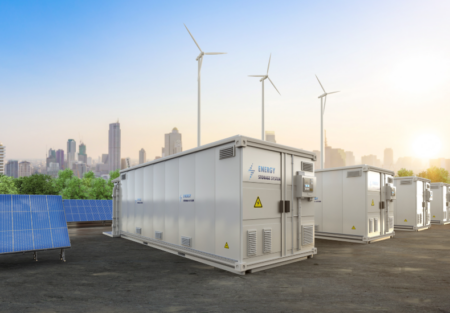
Energy storage is therefore emerging as a structural requirement within the UAE’s evolving power system. Battery systems and pumped hydro storage are expected to play a growing role in absorbing excess solar generation and smoothing demand fluctuations. This is particularly relevant in a climate where air conditioning drives significant afternoon electricity consumption that broadly aligns with solar output but does not perfectly coincide with peak irradiation.
The UAE’s approach to energy transition reflects a calibrated rather than disruptive transformation of its electricity system. Instead of rapidly displacing conventional generation assets, policymakers appear to be using existing gas and nuclear capacity as operational anchors that enable large scale renewable deployment without compromising grid reliability. For a country characterized by high per capita electricity demand, energy intensive desalination, and extreme summer temperatures, maintaining firm generation capacity remains central to system stability.
Economic considerations reinforce this strategy. Significant capital has already been invested in gas infrastructure and nuclear generation assets, including the four reactor units at the Barakah Nuclear Power Plant. Retiring these facilities prematurely would impose substantial financial costs while providing limited reliability benefits. Instead, the UAE’s investment trajectory channels most new capacity additions into solar while allowing existing firm generation assets to continue supporting grid operations.
If the forecasted capacity expansion materializes, the UAE’s electricity system by 2035 will operate with a fundamentally different generation profile. Solar power will represent one of the largest sources of electricity generation in the country, supported by a framework of gas flexibility, nuclear baseload output, and expanding storage capacity designed to manage variability and maintain operational stability across the grid.