






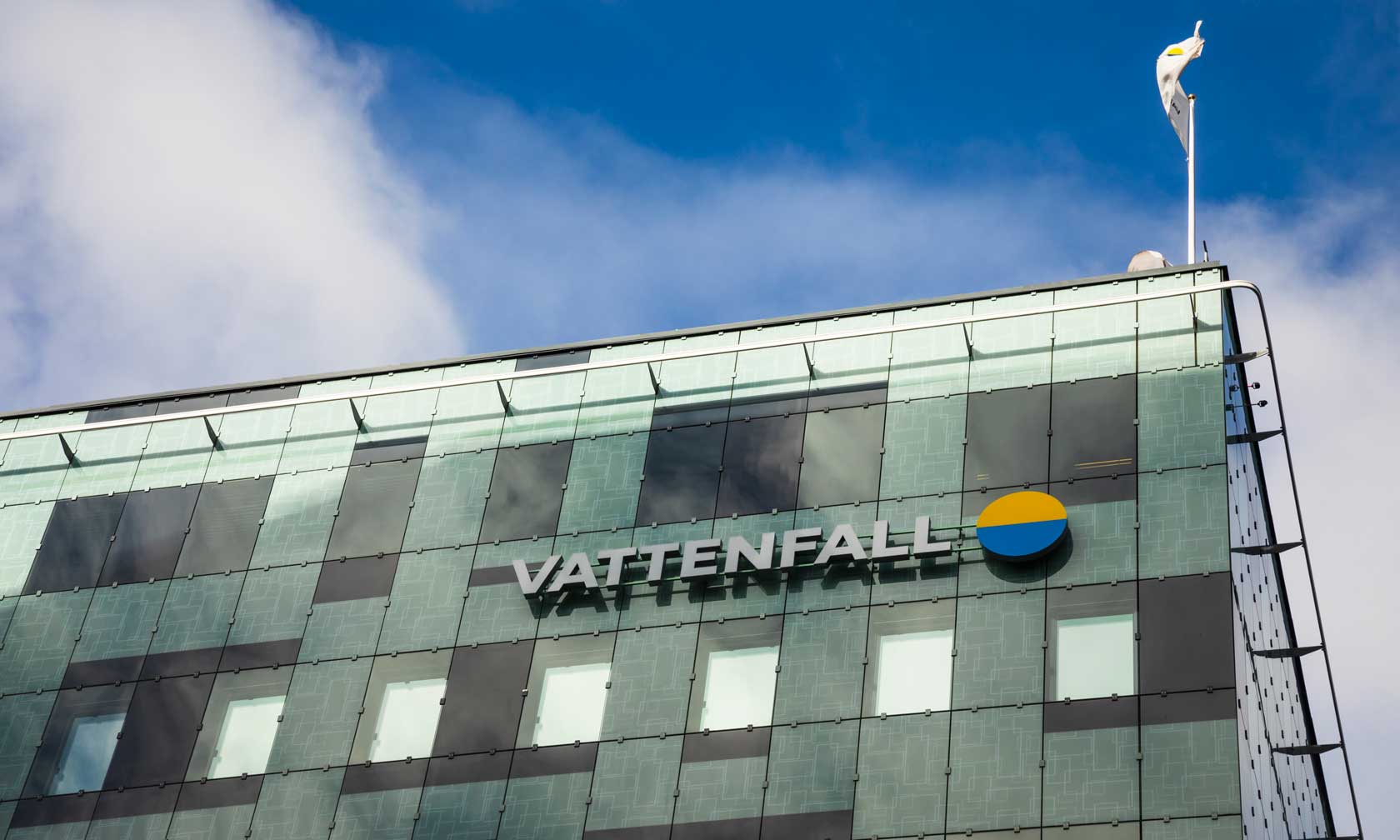
At the Juliusburg/Krukow solar park project in Germany, Vattenfall has begun using low emission steel supplied by SSAB for solar module substructures, reducing associated steel emissions by 67 percent compared with conventional steel production routes.
The material, marketed as SSAB Zero, is produced using nearly 100 percent recycled scrap steel rather than traditional blast furnace methods that rely heavily on coking coal.
The move reflects a broader shift underway across Europe’s renewable energy sector. While utility scale solar projects are routinely presented as low carbon infrastructure, embodied emissions from construction materials remain substantial. Steel, aluminum, concrete, and transport logistics contribute significantly to lifecycle emissions, particularly during manufacturing and installation phases.
For developers operating in Europe’s tightening regulatory environment, those emissions are becoming commercially relevant rather than purely reputational.
Germany’s solar expansion alone illustrates the scale challenge. According to the International Energy Agency, global solar PV manufacturing and deployment are accelerating rapidly, with Europe seeking to rebuild parts of its clean energy industrial base while reducing dependence on imported fossil fuels and carbon intensive materials. Utility scale solar installations require large volumes of structural steel for mounting systems, trackers, foundations, and grid infrastructure. Even marginal emissions reductions at the component level can materially affect total project lifecycle intensity when deployed at scale.
The significance of Vattenfall’s decision lies less in the immediate emissions savings of a single project and more in what it signals about procurement priorities. Renewable energy developers have historically focused primarily on operational emissions, where solar performs strongly relative to fossil generation. Scope 3 emissions embedded in supply chains received far less scrutiny because low carbon alternatives for industrial materials remained commercially limited and significantly more expensive.
That dynamic is beginning to change as green industrial policy, carbon border mechanisms, and corporate procurement targets reshape purchasing decisions across Europe.
SSAB’s low emission steel strategy is based on electric arc furnace production using recycled steel inputs and fossil free electricity, allowing substantial reductions compared with conventional primary steelmaking. Traditional blast furnace steel production remains one of the most carbon intensive industrial activities globally, accounting for roughly 7 percent of global CO₂ emissions according to the International Energy Agency.
The renewable sector faces a structural contradiction in this context. Solar and wind projects are intended to reduce long term emissions, yet their construction depends heavily on emissions intensive industrial supply chains. As deployment scales, the embodied carbon of clean energy infrastructure becomes increasingly material to overall climate accounting.
This issue is particularly relevant in Europe, where policymakers are linking industrial decarbonization with energy transition goals. The European Union’s Carbon Border Adjustment Mechanism and emerging sustainability disclosure frameworks are expected to place greater emphasis on lifecycle emissions across sectors, including infrastructure development.
Low emission steel remains more expensive than conventionally produced material in most markets, primarily due to higher electricity costs, limited production capacity, and constrained scrap availability. Large scale adoption therefore depends not only on corporate sustainability commitments but also on whether customers are willing to absorb higher upfront capital costs in exchange for lower lifecycle emissions.
Vattenfall’s approach suggests some developers are increasingly prepared to make that tradeoff, particularly where long term procurement strategies align with broader decarbonization targets.
The project also highlights the growing strategic role of material sourcing within renewable energy economics. Historically, the industry prioritized minimizing capital expenditure per installed megawatt. That focus drove aggressive global supply chain optimization, often favoring low cost manufacturing regions regardless of embedded emissions intensity.