




In order to jointly develop and validate a cryogenic pump for generating CRYOGAS hydrogen based on French industrial conglomerate Fives’ cryogenic reciprocating pump technology, German CleanTech hydrogen mobility startup Cryomotive and Fives have inked a partnership agreement.
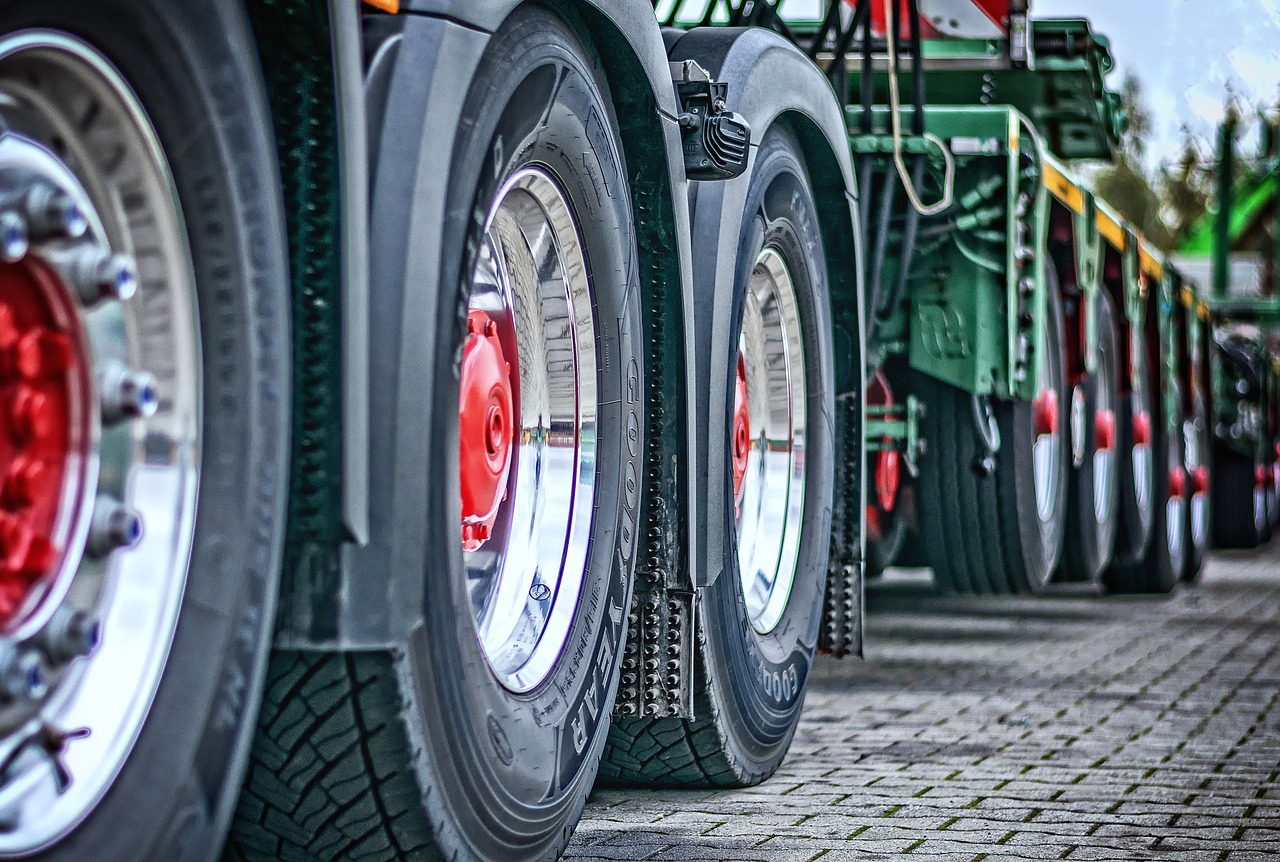
Future hydrogen refueling stations for heavy-duty transport applications, such as long-haul trucks, will feature the Cryomec Hy-Filling pump created by Fives.
High-density cryogenic compressed hydrogen gas, also known as CRYOGAS or cryo-compressed hydrogen gas (CcH2), can attain densities of 80 kg/m3 or higher at pressure levels between 30 MPa and 40 MPa. Since it cannot evaporate, the CRYOGAS technology offers a higher physical density than liquid hydrogen while being thermally robust.
Cryomotive and Fives aim to develop a reciprocating cryogenic pump to compress liquid hydrogen (LH2) with a high flow rate, small footprint, and low energy consumption. CRYOGAS can be produced by cryogenic compression of liquid hydrogen (LH2) as well as by cryo-cooling of compressed hydrogen gas (GH2).
According to agreed-upon performance goals for the future Cryomec Hy-Filling CRYOGAS reciprocating pump, Cryomotive’s refueling facility will be able to fill up to 80 kg of CRYOGAS into future hydrogen trucks in 10 to 15 minutes, enabling a 1,000 km drive in a long-haul fuel cell or hydrogen internal combustion engine truck.
The Cryomec Hy-Filling CRYOGAS pump, which is a component of Cryomotive’s CRYOGAS hydrogen refueling station, will pave the way for a compact hydrogen filling station that is both affordable and energy-efficient, enabling limitless back-to-back refuelings of trucks, buses, and other heavy-duty vehicles.
Add EnergyNews.biz as a preferred source on Google


