


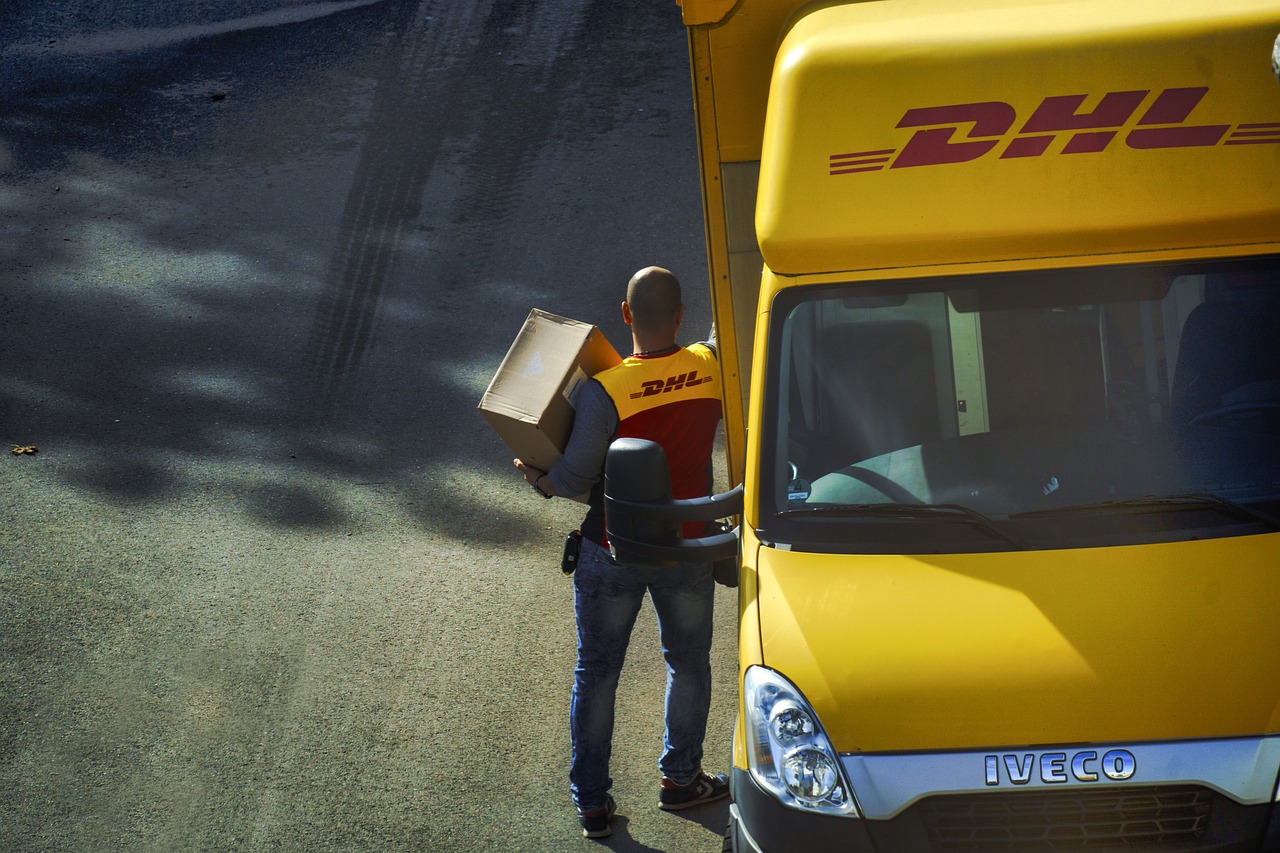


DHL has expanded its global network of battery logistics facilities to more than 20 sites as electrification increasingly moves beyond passenger vehicles into grid storage, industrial equipment, mining and renewable energy infrastructure.
The expansion reflects a shift in battery logistics from a specialized automotive function toward a broader infrastructure requirement spanning manufacturing, international freight, storage, deployment, aftermarket services and recycling.
The logistics group is combining capabilities across DHL Supply Chain, DHL Global Forwarding and DHL Express through a network of EV and Battery Centers of Excellence. The objective is to connect battery manufacturing sites with component suppliers, vehicle and equipment manufacturers, energy projects and end markets while managing the regulatory requirements associated with high voltage batteries and dangerous goods. DHL says the network will continue to expand, with new locations planned in several markets.
The underlying market is becoming structurally more complicated. Battery supply chains increasingly involve movements of raw materials, battery chemicals, production equipment, cells, modules, packs and complete energy storage systems across multiple jurisdictions. At the same time, batteries are moving into applications with substantially different logistical requirements. Some industrial and grid scale battery systems can weigh more than 50 tons, turning transportation into a project logistics problem rather than a conventional parcel or freight operation.
That distinction matters because battery logistics cannot be treated simply as a higher value version of conventional automotive freight. High voltage batteries require specialized storage, handling, documentation and transportation procedures. Depending on the battery chemistry, configuration and condition, shipments can also fall under dangerous goods regulations, creating additional requirements for classification, packaging, documentation and carrier selection.
DHL’s response is increasingly based on locating technical services alongside logistics infrastructure. Its battery facilities can include diagnostics, testing, charging, conditioning, refurbishment, reverse logistics and preparation for recycling. This creates a logistics model that extends beyond the movement of new batteries and addresses multiple stages of the battery lifecycle. DHL’s European Battery Logistics Hub in Holtum, Netherlands, for example, will provide 17,000 square meters of specialized storage and service space when it becomes operational in early 2027.
The Holtum investment also illustrates how battery logistics is becoming integrated with existing automotive infrastructure. The new facility is being built next to DHL’s existing automotive operation, creating a combined campus for electric mobility and energy systems. Its location provides access to road connections across the Benelux and Germany as well as a nearby container and barge terminal, giving customers multiple transportation options for regional distribution.
A similar approach is emerging elsewhere in Europe. DHL recently made 13,000 square meters of battery ready warehouse capacity available in Halle, Germany, while a further specialized facility in Hungary is expected to become operational in 2027. These investments indicate that logistics capacity is being developed around the geographic concentration of battery manufacturing and energy infrastructure rather than solely around traditional freight hubs.
The geographical challenge is significant. Asia remains a major center of battery manufacturing, while battery and energy storage investment is expanding across Europe and other regions. The resulting supply chains increasingly connect Asian production centers with European and North American manufacturing clusters, renewable energy projects and stationary storage markets. At the same time, manufacturers are diversifying production footprints because of geopolitical risk, industrial policy and concerns over supply chain resilience.
This is creating new trade corridors rather than simply increasing volumes along established routes. A battery manufacturer may need to move production equipment into a new gigafactory, import chemicals and components during ramp up, distribute finished battery systems to customers and subsequently transport defective or end of life batteries to repair or recycling facilities. Each movement can involve different regulatory and technical requirements.
The expansion into stationary storage is particularly important because the logistics profile of BESS differs from that of passenger vehicle batteries. Utility scale systems can involve large battery units, containers, power conversion equipment and other electrical infrastructure that must be transported to project sites and assembled in locations that may be remote from established industrial logistics networks.
DHL says it delivered more than 1,100 BESS units globally during the first half of 2026. The figure provides an indication of the scale at which battery logistics is beginning to intersect with electricity infrastructure rather than remaining primarily an automotive service.
This also explains why DHL is combining its conventional freight capabilities with industrial project logistics and heavy lift operations. Moving a battery system to a utility scale project can require multimodal transportation, specialized lifting equipment, site planning, customs management and dangerous goods expertise. The logistics challenge therefore extends beyond getting the product from one warehouse to another.
The same requirements are becoming relevant to mining and industrial electrification. Battery powered mining equipment, industrial vehicles and stationary systems introduce high voltage components into environments that were historically supplied by diesel equipment and conventional industrial machinery. Logistics providers consequently need to support not only the initial delivery but also spare parts, maintenance, returns and eventual recycling.
DHL’s broader New Energy strategy places battery logistics within a portfolio covering eight segments: wind, solar, EVs and batteries, BESS, EV charging, grid infrastructure, hydrogen and alternative fuels. The company identified New Energy as a strategic growth sector under its Strategy 2030 and has set a target of increasing revenue from the segment from approximately €600 million in 2025 to €3 billion by 2030.
That target represents a substantial commercial expansion, but it also demonstrates why DHL is building capabilities across multiple technologies rather than concentrating exclusively on EV batteries. DHL previously identified New Energy as a market with an expected annual growth rate of more than 15% between 2023 and 2030. Its 2025 annual results also reported that New Energy revenue increased by more than 30% year over year.
The commercial opportunity is therefore tied to the infrastructure requirements created by electrification itself. More battery factories require inbound manufacturing logistics. More EVs require distribution and aftermarket support. More BESS projects require heavy transport and project execution. More batteries reaching the end of their useful life require reverse logistics, diagnostics, refurbishment and recycling pathways.
Regulation adds another layer. Battery supply chains increasingly cross borders, meaning customs classification, dangerous goods documentation and local storage requirements can affect delivery schedules and operating costs. A logistics network with local regulatory expertise can reduce those frictions, but the requirement also means that battery logistics cannot be standardized globally to the same degree as conventional freight.
The expansion of DHL’s Centers of Excellence is consequently less about warehouse capacity alone than about concentrating technical and regulatory capabilities in strategic locations. DHL describes these facilities as operational hubs that combine local regulatory knowledge with global battery and EV logistics expertise. Its network covers Europe, the Americas, Asia Pacific, the Middle East and Africa, with further expansion planned.
Add EnergyNews.biz as a preferred source on Google


