




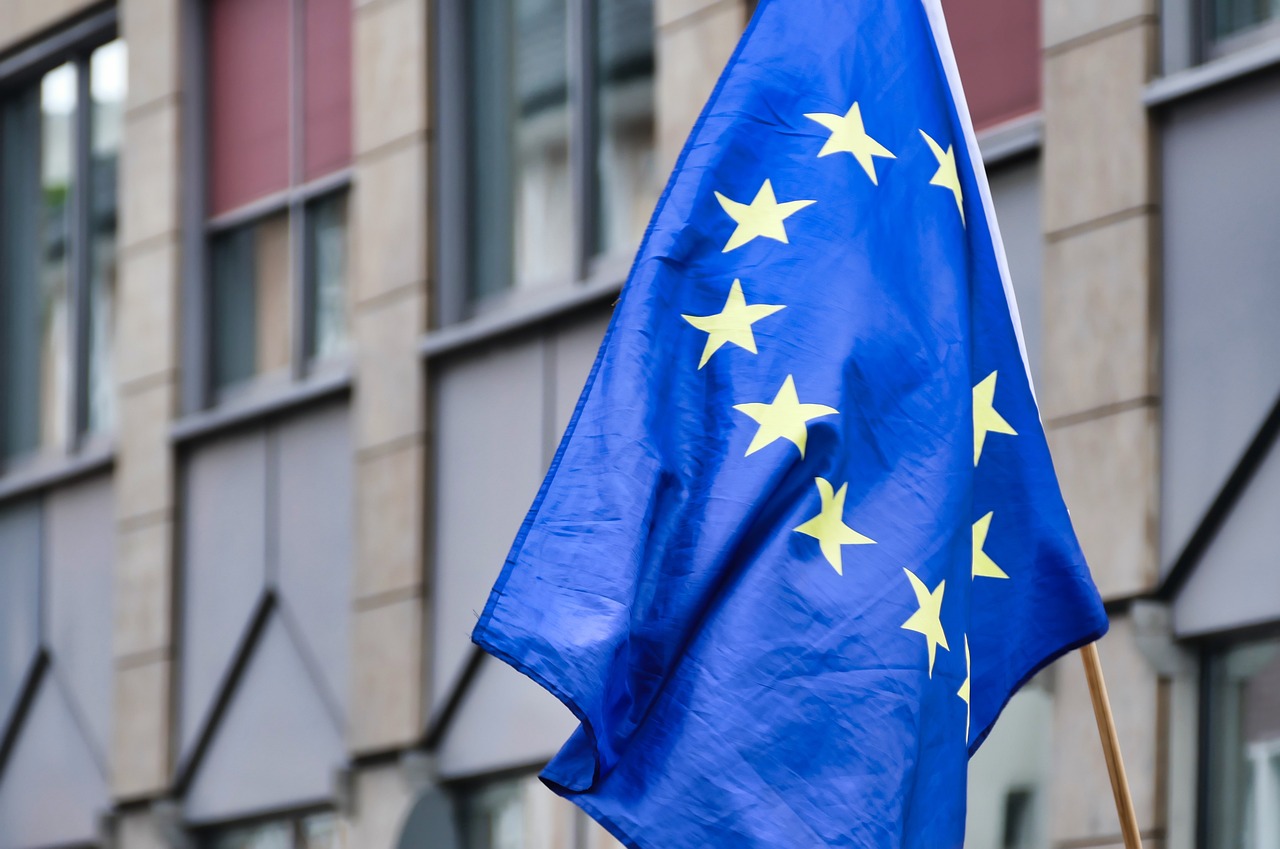
Roughly two years after cutting most Russian gas imports, the European Union is recalibrating its external energy strategy around a smaller group of suppliers, with Algeria emerging as a critical pillar.
Speaking in Algiers on February 12, EU Energy Commissioner Dan Jørgensen described the bloc’s interest in Algerian gas and green hydrogen as strategic rather than transitional, reflecting both short term security needs and longer term decarbonization pressures.
Algeria already plays an outsized role in the country’s public finances, with natural gas accounting for about 20 percent of budget revenues and roughly 40 percent of export earnings. BP data place Algeria among the world’s ten largest holders of proven natural gas reserves, a statistic that helps explain why Brussels views the country as a stabilizing counterweight after the loss of Russian pipeline flows. For the EU, which consumed around 330 billion cubic meters of gas in 2023, diversification has become less about marginal suppliers and more about reliability and scale.
The Southern Gas Corridor remains central to this calculation. Designed as a flagship diversification route, it is expected to deliver around 10 billion cubic meters per year to the EU, a volume that underlines both its strategic relevance and its limitations. While meaningful for southern member states, it cannot fully offset lost Russian volumes, forcing the EU to balance Algerian gas imports with LNG and accelerated demand reduction. Parallel infrastructure efforts include Eni’s Algeria Tunisia pipeline project, which would also serve EU markets, and electricity transmission and renewable schemes worth up to €400 million.
Beyond gas, hydrogen is increasingly embedded in EU Algeria energy diplomacy. Jørgensen’s emphasis on hydrogen reflects Brussels’ assumption that domestic EU production will not be sufficient to meet future demand from industry, transport, and power balancing. Algeria’s renewable resource base gives it theoretical advantages, but translating potential into exportable green hydrogen remains capital and policy intensive. Germany has positioned itself as the main EU investor in this space, notably through the TaqatHy+ program, co financed by the EU and Berlin with €15 million and €13 million respectively. The program focuses on grid integration, renewable deployment, and early stage hydrogen ecosystem development rather than immediate export volumes, signaling a cautious approach to scale up.
This dual track gas and hydrogen partnership unfolds against a backdrop of fragile political relations. Unlike Morocco or Tunisia, Algeria has no migration management agreement with the EU, limiting Brussels’ leverage in broader geopolitical negotiations. Trade relations have also deteriorated despite a 2002 Association Agreement. EU exports to Algeria fell by 31 percent between 2014 and 2024, a decline the Commission partly attributes to protectionist policies, now subject to arbitration proceedings launched in mid 2024.
Geopolitics further complicate the energy equation. Algeria’s backing of the Polisario Front places it at odds with Morocco, whose autonomy plan for Western Sahara recently received formal backing from EU foreign ministers. This divergence introduces political risk into long term energy cooperation, particularly as hydrogen projects typically require multi decade stability to justify investment.
External actors are watching closely. US oil majors have intermittently sought deeper engagement with Algeria’s upstream sector, encouraged by former president Donald Trump’s public support for new oil and gas financing. Their interest underscores the competitive landscape facing the EU as it seeks preferential access to Algerian resources while advancing its climate agenda.