




Germany has taken a significant step toward establishing a continental hydrogen corridor, with gas grid operator Gascade announcing the conversion of a 400-kilometer high-pressure natural gas pipeline to transport low-carbon hydrogen from the Baltic Sea southward.
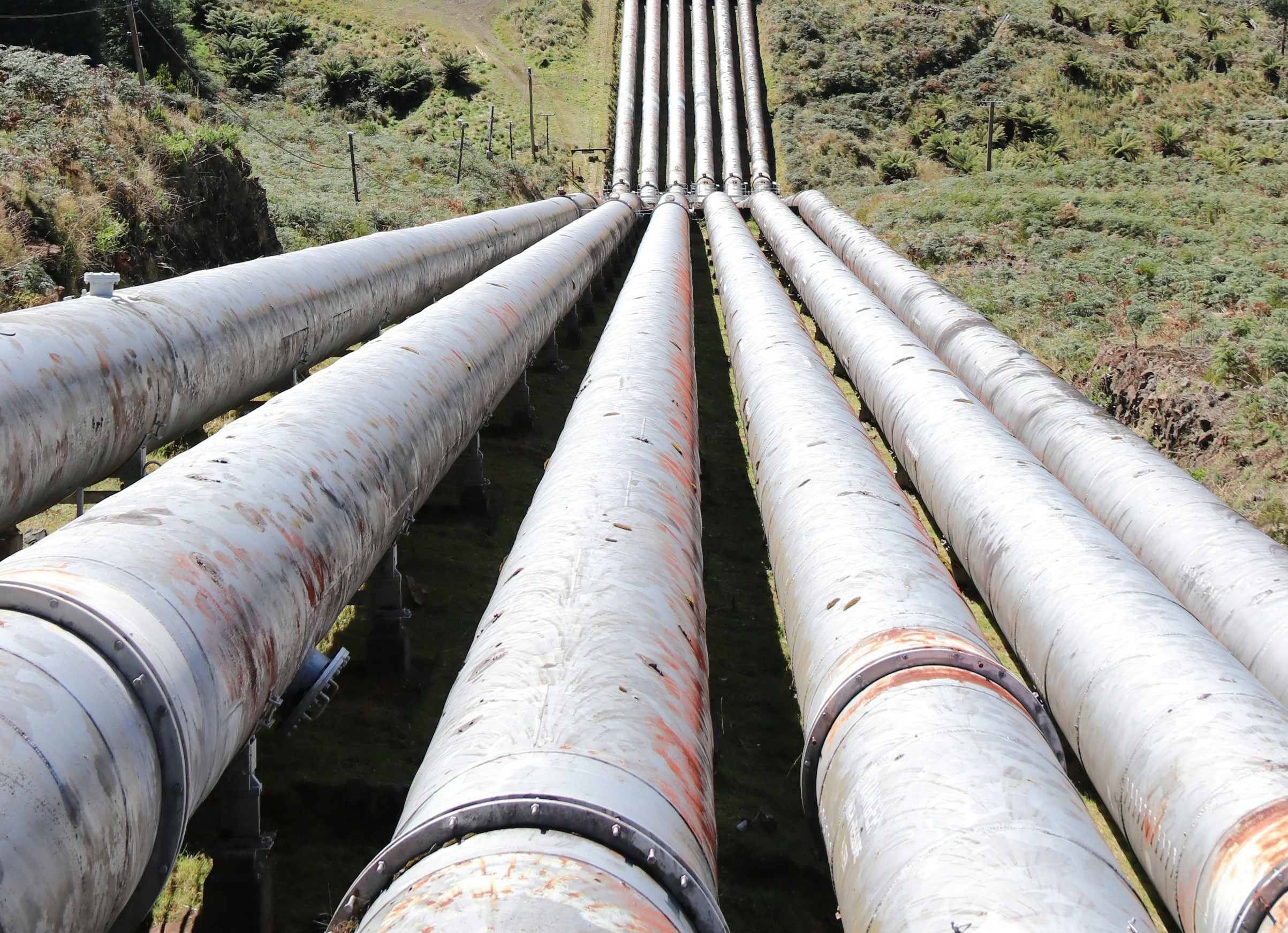
The pipeline, 1.4 meters in diameter, now links Mecklenburg-Vorpommern to Brandenburg and Saxony-Anhalt, forming part of Europe’s emerging hydrogen backbone intended to reduce dependence on fossil fuels.
The infrastructure is positioned as an early anchor of a broader hydrogen network that could extend to southern Germany by 2029 and later interconnect with Poland, the Czech Republic, and Austria. While the timeline aligns with European hydrogen strategy targets, its practical feasibility depends on consistent supply, industrial offtake, and cross-border coordination that has historically moved more slowly than anticipated.
Gascade managing director Ulrich Benterbusch described the pipeline repurposing as a “technical achievement,” noting that converting the legacy infrastructure of this scale required extensive engineering modifications. The line, inaugurated at the port of Lubmin, a former entry point for Russian gas, has been prepared with cushion gas and declared technically ready for hydrogen operations. Lubmin’s strategic repositioning reflects Germany’s broader effort to reindustrialize regions affected by declines in fossil-based infrastructure while reducing exposure to external energy volatility.
Regional policymakers are framing the pipeline as a catalyst for local economic development. Ines Jesse, deputy economy minister of Mecklenburg-Vorpommern, argued that the infrastructure could attract additional industrial investment, particularly as companies seek locations with early access to hydrogen-ready networks. Yet these expectations hinge on the availability of competitively priced hydrogen, which remains uncertain.
Germany’s energy strategy heavily promotes green hydrogen as a medium for storing excess wind and solar output, particularly in the north, where renewable capacity is concentrated. Electrolytic hydrogen could, in theory, stabilize grids and support hard-to-abate sectors. However, production costs remain high due to elevated electricity prices, uncertain subsidy structures, and slow permitting processes for new electrolyzers. These factors continue to delay final investment decisions, highlighting a mismatch between infrastructure readiness and market maturity.