





Wholesale electricity prices in Greece are increasingly falling to zero or negative territory during daylight hours, forcing renewable energy curtailments across the grid and exposing a structural imbalance between renewable deployment and system flexibility.
Between 8 a.m. and 6 p.m., excess solar generation is overwhelming a power system where demand remains relatively flat, despite the country’s economic recovery and broader electrification ambitions.
The pricing collapse reflects a market saturated with daytime renewable output but lacking sufficient storage capacity or demand-side flexibility to absorb surplus generation. According to Petros Tsikouras, organizational secretary of the Thessaloniki-based solar producers’ association POSPIEF, the imbalance stems from years of aggressive licensing policies that expanded renewable capacity far beyond the grid’s current consumption profile.
The issue highlights a growing contradiction in European power markets. Renewable deployment targets continue to accelerate, yet investment in supporting infrastructure, particularly storage and grid modernization, has lagged behind. In Greece, the result is a widening disconnect between generation availability and market value. Solar output peaks when prices collapse, while evening demand continues to rely on gas-fired generation and hydropower, pushing wholesale prices sharply higher after sunset.
Tsikouras argues that this market structure disproportionately harms smaller photovoltaic operators, many of whom lack vertically integrated portfolios or flexible generation assets capable of arbitraging peak evening prices. According to him, electricity prices between approximately 7 p.m. and 10 p.m. frequently rise to between €170 and €250/MWh as solar production falls to zero and thermal plants regain pricing power.
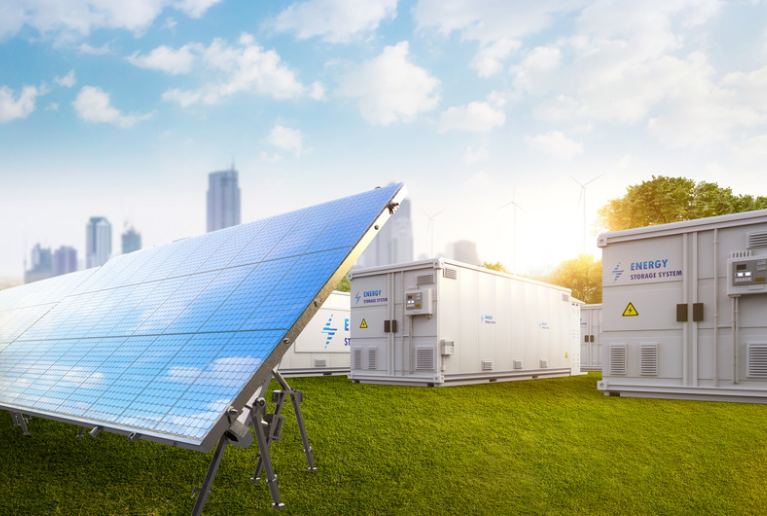
The failure to operationalize battery storage at scale has become central to the debate. Greece’s first battery storage auction in 2023 awarded 412 MW across 12 projects, supported by substantial subsidies intended to accelerate market participation. Investors entered despite unresolved regulatory frameworks, expecting operational rules to be finalized within two years and commercial deployment to begin by 2025.
That timeline has largely collapsed. Industry participants report that projects ready for commissioning by late 2025 were unable to connect to the grid because operational market rules had not been finalized. As of April 2026, only two projects totaling roughly 16 MW were actively participating in Greece’s electricity markets.
The grid operator has stated that approximately 200 MW of additional standalone battery systems are connected and undergoing testing ahead of commercial participation. However, developers still lack clear visibility regarding full operational approval timelines, creating uncertainty around revenue recovery and investment returns.
The delays are particularly significant given the scale of storage waiting in the pipeline. More than 12 GW of merchant battery projects reportedly remain stalled awaiting regulatory clearance, even as renewable curtailments intensify. The mismatch suggests Greece’s storage deployment bottleneck is no longer primarily technological or financial, but institutional.
Authorities have attributed the delays to the novelty of battery technologies and limited domestic operational experience. Critics dispute that explanation, noting that battery deployment frameworks have already matured across multiple European markets. The concern among market participants is that regulatory inertia is reinforcing an energy pricing structure favorable to incumbent thermal generators.
The Greek case also reflects broader challenges emerging across high-renewable grids. Rapid solar expansion without synchronized storage deployment compresses daytime prices, undermines renewable project economics, and increases curtailment risk. In systems where demand growth remains limited, oversupply conditions can intensify quickly, particularly during spring and autumn periods when solar output is strong and heating or cooling demand is moderate.
At the same time, the persistence of high evening prices underscores the continued dependence on dispatchable fossil generation. This creates a paradox in which renewable penetration rises while gas plants retain significant pricing influence during critical balancing hours.
For Greece, the stakes extend beyond wholesale market volatility. The country has positioned itself as a regional renewable energy hub, supported by strong solar irradiation, European Union funding mechanisms, and interconnection ambitions in southeastern Europe. However, without accelerated deployment of storage infrastructure and market reforms capable of integrating intermittent generation more effectively, curtailments risk eroding investor confidence precisely as renewable buildout accelerates.
The economics are becoming increasingly difficult for smaller producers operating under merchant exposure. Negative pricing periods reduce revenues, while curtailments directly limit output. Larger energy groups with diversified portfolios, flexible assets, or trading capabilities are better positioned to navigate volatility, potentially accelerating consolidation within the renewable sector.