



Spain’s industrial decarbonization strategy gained another financial boost after Hydnum Steel secured a €150 million investment commitment from the Co-investment Fund (FOCO), strengthening funding for what is planned to become the Iberian Peninsula’s first fossil fuel free steel plant.
The financing supports a project that is expected to mobilize more than €1.5 billion in total investment as Europe seeks to accelerate low carbon steel production while reducing dependence on carbon intensive imports.
The investment, managed by Spain’s state backed development finance institution COFIDES, forms part of a broader capital structure comprising approximately €600 million in equity and around €1 billion in debt. The project has also secured support through Spain’s PERTE II Industrial Decarbonization program, reflecting the increasing role of public financing in enabling capital intensive industrial transformation projects.
Located in Puertollano in the Castilla La Mancha region, the Hydnum Steel facility is scheduled to begin earthworks and construction before the end of 2026. The company has steadily advanced through critical regulatory milestones, including obtaining approval from the Guadalquivir Hydrographic Confederation for hydrological adaptations and securing 500 MW of grid connection capacity at the Brazatortas node, an important requirement for one of Europe’s most electricity intensive industrial projects.
The project also appears to have reduced a significant commercial risk often associated with first of a kind industrial facilities. Hydnum Steel says agreements have already been reached covering 100% of first phase production capacity during the plant’s initial five years of operation, providing early demand visibility before construction begins.
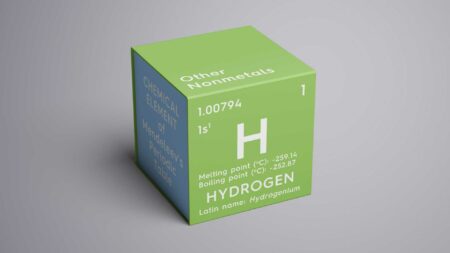
Unlike conventional integrated steel plants that rely on blast furnaces fueled by coal, Hydnum Steel intends to produce steel using electric arc furnaces powered by renewable electricity and green hydrogen. According to the company, the production model is designed to reduce Scope 1 and Scope 2 carbon dioxide emissions by up to 98% compared with traditional blast furnace steelmaking.
The project also incorporates several technologies intended to improve operational efficiency alongside emissions reductions. Digital automation systems supplied by Siemens will support plant operations, while Endless Strip Production technology from Primetals Technologies aims to improve production efficiency and reduce energy consumption. A Zero Liquid Discharge water treatment system has also been integrated into the design to maximize water reuse and eliminate industrial wastewater discharges.
The reliance on green hydrogen highlights both the opportunities and challenges facing Europe’s emerging low carbon industrial sector. While hydrogen based direct reduced iron and electric steelmaking have become central pillars of European decarbonization strategies, commercial deployment remains constrained by the availability of competitively priced renewable electricity and large scale hydrogen production. Securing sufficient clean power will therefore be as critical as financing the steel plant itself.
Hydnum Steel has assembled a consortium reflecting these interdependencies. Alongside project developer Russula, renewable energy and green hydrogen developer ABEI Energy will support clean energy supply, while Siemens and Primetals Technologies contribute digitalization, automation and metallurgical expertise.
The project has also attracted institutional recognition beyond Spain. Hydnum Steel has been acknowledged by the World Economic Forum for its contribution to industrial decarbonization, while regional authorities are advancing procedures to designate the facility as a Project of Exceptional Interest following a public consultation process that concluded without significant objections.
Beyond emissions reductions, the investment is expected to contribute to regional industrial development. Hydnum Steel estimates the project will create more than 5,000 jobs across construction and operations, including over 1,000 direct highly skilled technical positions. The company also plans to establish training partnerships with universities and educational institutions to develop the workforce required for advanced low carbon steel production.