


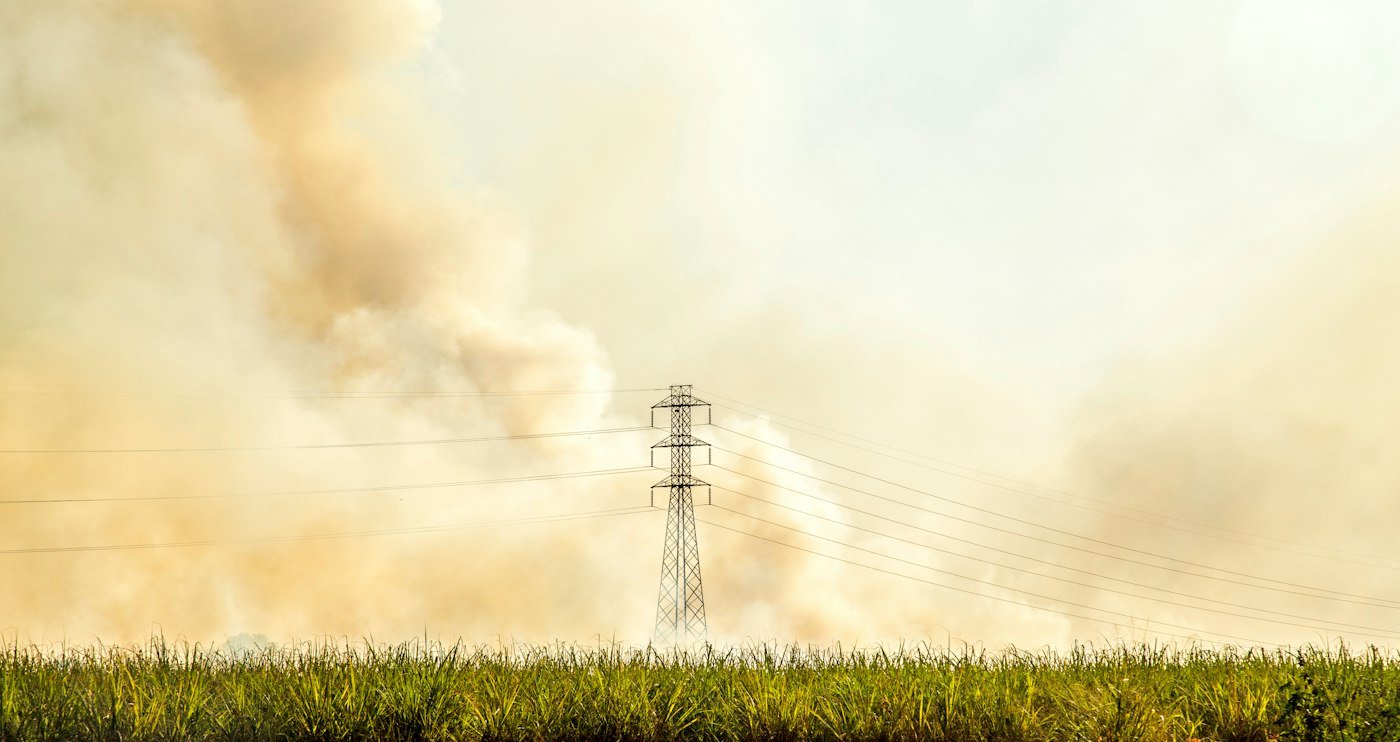


The IEA Global Observatory on Energy Sector Resilience launched on 10 November 2026 with a record of about 3,000 reported power outages linked to extreme weather and other natural hazards across more than 150 countries since 2022. The International Energy Agency says the outages have temporarily left an average of around 190 million electricity customers without power each year.
The IEA Global Observatory is described as a first of its kind hub that combines outage tracking, a map of infrastructure exposure and an inventory of resilience measures. It was launched in support of the COP31 Presidency’s 35 by 35 Global Electrification Pledge, and its first instalment focuses on power system resilience as electrification grows.
What the IEA Global Observatory contains
The tracking covers disruptions since 2022 and will widen over time to the whole energy sector, with more detail on the causes and impacts of individual outages. The atlas maps exposure of energy infrastructure to floods, tropical cyclones and extreme heat. The inventory lists more than 130 measures in this first release, with case studies and references, ranging from governance and system design to physical reinforcement, operating practice and monitoring.
From the headline figures of the IEA Global Observatory, 3,000 outages over the period since 2022 is roughly 600 a year, about 1.6 a day (ENB calculation, assuming a period of about 4.9 years to November 2026). The IEA does not state how it counts one outage, so the average size per outage is not given.
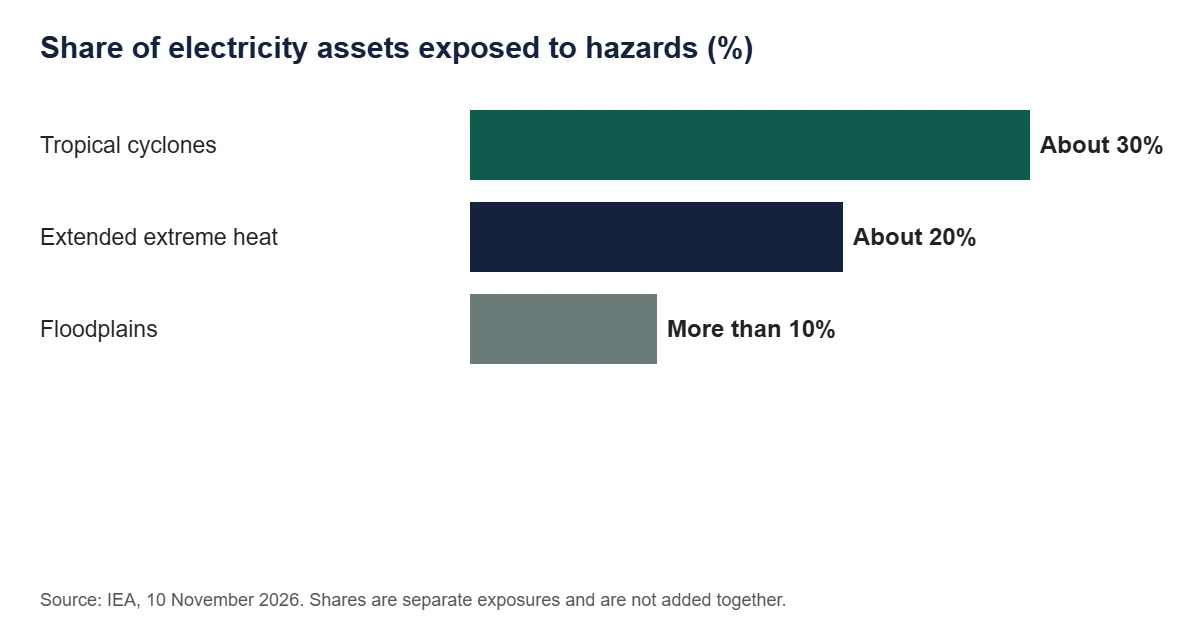
Exposure figures in the IEA Global Observatory atlas
The IEA says about 30% of electricity assets worldwide are exposed to tropical cyclones of varying intensity and about 20% to extended periods of extreme heat. More than 10% sit in floodplains. These are separate exposures, and the announcement does not say how much they overlap, so they cannot be added into a single share of assets at risk.
Laura Cozzi, the IEA’s Director of Sustainability, Technology and Outlooks, said the Observatory gives governments and industry a more complete evidence base for resilience and security decisions. The IEA links it to a recent commentary on how grids are navigating rising wildfire risk, and the full announcement is on the IEA website.
What is not in the IEA Global Observatory announcement
The announcement gives no outage figures by country, no cost of the disruptions and no data on duration. It states that the Observatory responds to calls made at the IEA’s October 2025 high level roundtable on strengthening energy infrastructure resilience. Related ENB reporting on grids is in the grid expansion trade offs study and the smart grid section.
What to watch next is the first expansion of the tracking beyond power outages, which the IEA says will come over time without giving a date.
Add EnergyNews.biz as a preferred source on Google


