


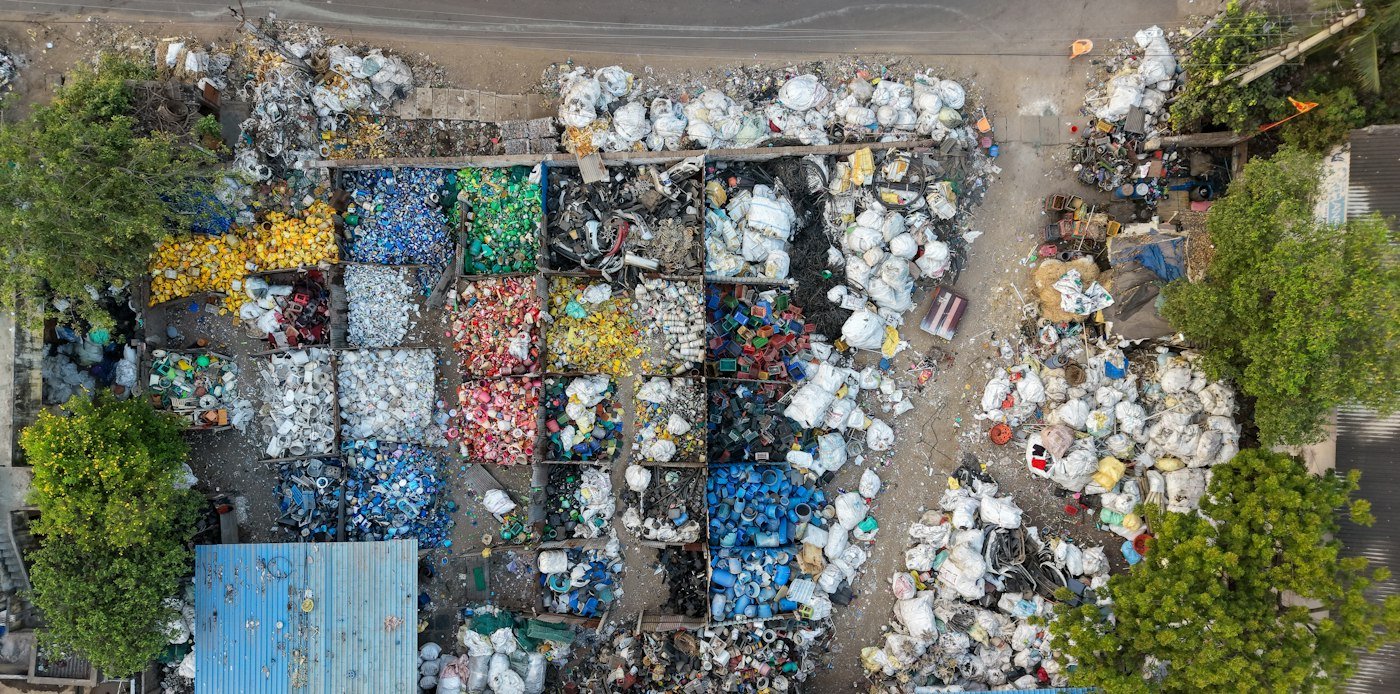


The IEA resource efficiency special report, launched on 11 November 2026 at COP31 in Antalya, says that measures to prevent waste, use materials more efficiently and recover resources could cut global greenhouse gas emissions by more than 1.5 billion tonnes a year by 2035. The International Energy Agency compares that with eliminating emissions from half of the world’s car fleet. It prepared the report at the request of the COP31 President, Türkiye, in support of its zero waste and circular economy goals.
The IEA resource efficiency report examines the overlap of waste reduction, resource efficiency and energy systems decarbonisation, and most of its measures, the IEA says, rely on technologies that already exist. The obstacle it identifies is how governments set policy and how businesses design, produce and manage products, buildings and infrastructure over their life cycles.
2.6 billion tonnes of waste and a fifth of methane
The world generates around 2.6 billion tonnes of municipal waste a year, which the IEA says would cover New York City to a depth of ten metres. Disposal, treatment and incineration account for around 4% of global greenhouse gas emissions, including nearly one fifth of human caused methane. The IEA stresses that the emissions across full value chains are much larger, because producing materials that are used inefficiently and discarded consumes large amounts of energy.
| Item | Figure in the IEA news item |
|---|---|
| Emissions cut possible by 2035 | More than 1.5 billion tonnes a year |
| Municipal waste generated | Around 2.6 billion tonnes a year |
| Share of global emissions from waste treatment | Around 4% |
| Share of human caused methane | Nearly one fifth |
| Plastics recycling by 2035 | Doubled |
| Biogas production | Fourfold increase |
Three IEA resource efficiency areas and what they would change
The report names three high potential areas: preventing waste through better design and more efficient use of materials, improving collection, sorting and recycling, and sustainably turning residual organic waste into energy. Together the IEA resource efficiency measures could reduce demand for energy intensive materials such as steel and cement, help double global plastics recycling by 2035 and enable a fourfold increase in biogases production.
For the energy sector the link is direct. Steel and cement are among the industries where decarbonisation depends on hydrogen, carbon capture and large amounts of electricity, so lower material demand reduces the volume those technologies must deliver. A fourfold rise in biogases adds a fuel that can use existing gas networks. Related ENB coverage of material recovery for batteries is in the battery recycling reporting.
What the IEA resource efficiency announcement does not give
The announcement does not state the cost of the measures, how the 1.5 billion tonnes divides among prevention, recycling and bioenergy, or which countries contribute most. The IEA’s priorities for governments are shifting incentives and progress indicators towards resource efficiency, encouraging circular product and infrastructure design, and securing finance for waste collection, recycling and sustainable energy recovery. It adds that professional training, international cooperation and better access to finance in emerging and developing economies will be important. The full announcement is on the IEA website, and the next check is the IEA resource efficiency report’s own breakdown by measure.
Add EnergyNews.biz as a preferred source on Google


