




Oil markets are pricing in a new strategic reality as Iran effectively blocks the Strait of Hormuz, with Brent crude holding above $100 per barrel despite the largest coordinated emergency reserve release in history.
Approximately 300 million barrels of oil and gas remain trapped in the Gulf, rising by 20 million barrels daily as the closure continues, signaling a structural reassessment of risk in the waterway that handles roughly one-fifth of global oil and liquefied gas flows.
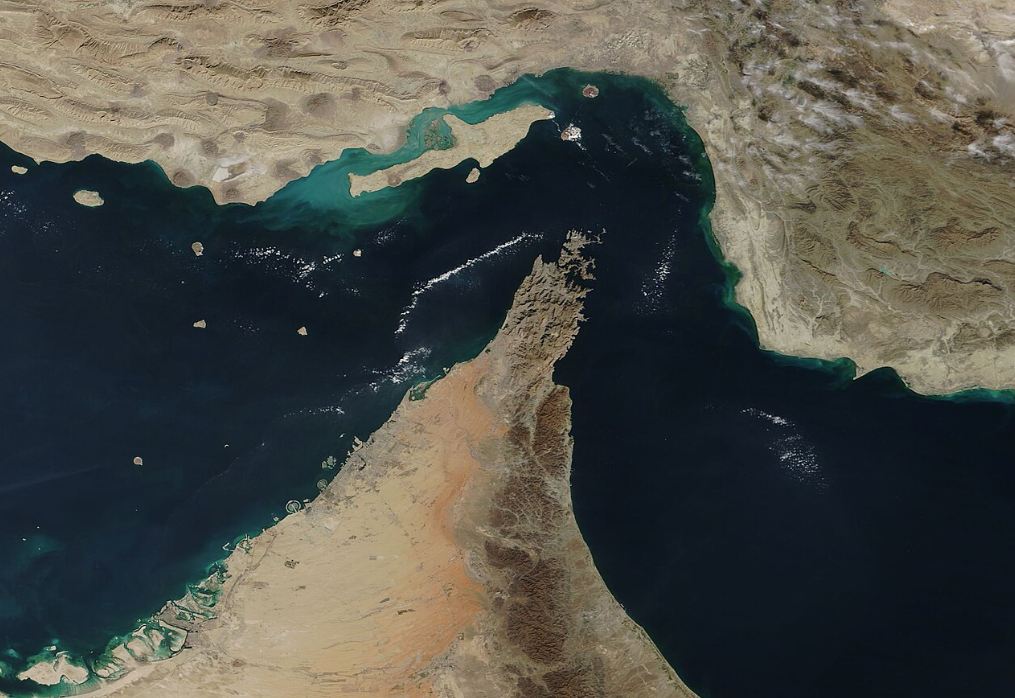
The narrow strait, less than 21 nautical miles at its tightest point, places commercial tankers within range of drones and missiles along Iran’s southern coast. The new Supreme Leader, Ayatollah Mojtaba Khamenei, has indicated an intention to keep the strait closed indefinitely, a departure from previous assumptions that US military force would ultimately ensure access.
US planning misjudged both the duration and market impact of the closure. Officials had anticipated any military campaign would last roughly a week, treating oil price spikes as temporary. Prices immediately contradicted that assumption, prompting an emergency G7 finance ministers meeting and a historic reserve release. The situation was exacerbated by conflicting communications from US Energy Secretary Chris Wright, whose premature claims about naval escorts temporarily suppressed prices before a correction once the inaccuracies were revealed. Automated trading systems amplified these signals, creating heightened volatility.
Former White House energy adviser Geoffrey Pyatt notes that conventional financial tools such as strategic petroleum reserve releases are structurally insufficient. Unlike the 2022 crisis following Russia’s invasion of Ukraine, where supply infrastructure remained largely intact, the Hormuz closure involves a physically constrained chokepoint and the potential destruction of production assets. Ernest Moniz, former US energy secretary, quantifies the gap: stabilizing global markets would require roughly 10 million barrels per day to return to circulation, a scale that current policy levers cannot deliver. Temporary waivers or the release of stranded Russian oil underscore the limits of financial mitigation relative to the volume of supply trapped.
Regional producers are among the most directly affected. Iraq has nearly halted production, while Qatar and Saudi Arabia face growing economic costs as their oil infrastructure comes under stress. Saudi efforts to reroute exports through the Red Sea face vulnerabilities from the Houthi insurgency. Daniel Yergin of S&P Global observes that Gulf states’ growing financial importance amplifies the consequences of prolonged supply disruption, and extended outages could create opportunities for Russian energy to re-enter global markets despite Western sanctions.
Complicating US responses, allies’ strategic objectives diverge. Israel’s military aims prioritize conflict outcomes over market stability, constraining the US ability to calibrate operations according to oil price impacts. Statements by former President Trump further signaled conditional commitment to suppressing prices, highlighting a domestic alignment with higher crude revenues. Futures markets now anticipate elevated Brent crude through at least mid-year.
Iran’s calculus emphasizes long-term leverage. Analysts suggest Tehran may sustain the strait closure to solidify its position and deter further military intervention, converting a previously theoretical vulnerability into a durable instrument of statecraft. Hamid Hosseini of Iran’s oil exporters’ union has publicly stated that post-conflict, Iran could maintain control of the strait and demand fees for passage, creating a persistent geopolitical premium embedded in oil prices.