



Spain’s hydrogen strategy is increasingly shifting beyond project announcements and toward the consolidation of upstream industrial capabilities, as reflected in the inclusion of the Association of Chemical, Basic, and Energy Industries of Huelva (Aiqbe) and the entry of Ariema into its ecosystem, signaling a growing focus on manufacturing capacity and supply chain integration rather than standalone hydrogen project development.
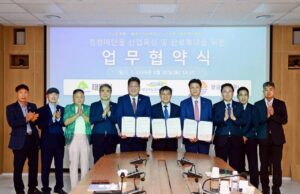
The association, which now includes 22 private companies and one public entity, is positioning its network as a coordinated industrial platform linking chemical production, energy infrastructure, and emerging hydrogen technologies. The expansion coincides with its 40th anniversary, reflecting a long established role in the industrial structure of Huelva, where energy intensive sectors already dominate the regional economic base.
Ariema’s integration into the cluster introduces a manufacturing focused dimension to an ecosystem that has historically been centered on downstream industrial consumption. The company is described as Spain’s oldest dedicated green hydrogen specialist and is the only wholly Spanish owned firm developing alkaline electrolysis systems in house.
Its proposal to establish the country’s first complete electrolyzer manufacturing facility in Huelva introduces a targeted annual production capacity of 200 megawatts. While the figure positions the project within Europe’s emerging industrial scaling curve, it also highlights the relatively limited domestic manufacturing base for core hydrogen technologies compared with projected demand trajectories from announced green hydrogen projects across Iberia and broader EU markets.
The strategic implication is less about immediate volume displacement and more about reducing dependence on external supply chains for electrolyzer stacks and system components. This is particularly relevant given recurring project delays across Europe linked to equipment availability rather than capital allocation or renewable energy access.
The project is expected to generate more than 300 direct jobs in the province, primarily linked to manufacturing operations, engineering, and system integration. While job creation is often cited as a key justification for industrial hydrogen investments, the distribution between highly skilled technical roles and broader labor market effects remains critical for assessing long term regional economic impact.
In similar industrial transitions, employment intensity tends to peak during construction and early production ramp up phases, then stabilize at significantly lower operational levels. In this case, the focus on electrolyzer manufacturing suggests a more sustained industrial employment base compared with project development alone, although no breakdown has been provided regarding long term staffing requirements or production scaling beyond the initial 200 megawatt annual target.
The incorporation of Ariema into Association of Chemical, Basic, and Energy Industries of Huelva (Aiqbe) expands the cluster’s role beyond end use industries into core technology production. This shift reflects a broader structural adjustment in hydrogen ecosystems, where regional competitiveness is increasingly determined by the ability to localize supply chains for critical equipment rather than solely hosting production projects.
For industrial clusters such as Huelva, which already concentrate chemical and energy intensive operations, the addition of electrolyzer manufacturing introduces a potential feedback loop between local demand and supply. However, the effectiveness of such integration depends on whether regional hydrogen projects materialize at sufficient scale to absorb manufacturing output, a constraint that has affected similar initiatives across Europe.
Ariema’s technological positioning is centered on alkaline electrolysis systems developed in house, a segment that remains dominant in large scale hydrogen production due to cost efficiency and operational maturity. However, competitive pressure is intensifying as international manufacturers scale production capacity and diversify across multiple electrolyzer technologies.
The company’s claim of full domestic ownership and integrated development capacity distinguishes it within Spain’s hydrogen technology landscape, where much of the electrolyzer supply chain remains dependent on international manufacturers. This raises questions about scalability and capital intensity, particularly in a market where price competition is expected to intensify as global manufacturing capacity expands.
The planned 200 megawatt annual output, while significant at national level, remains modest relative to multi gigawatt manufacturing announcements across Europe. As a result, its strategic value may lie more in industrial sovereignty and localized supply assurance than in achieving cost leadership through scale alone.
Association of Chemical, Basic, and Energy Industries of Huelva (Aiqbe) has framed the entry of Ariema as reinforcement of Huelva’s position within the energy transition value chain, emphasizing collaboration, innovation, and sustainability as structural pillars of regional development.