



Global oil markets have retreated from crisis highs as exports through the Strait of Hormuz begin to recover, yet the latest assessments from the International Energy Agency suggest that the apparent stabilization masks structural vulnerabilities that extend well beyond the Middle East and increasingly shape energy policy across Asia.
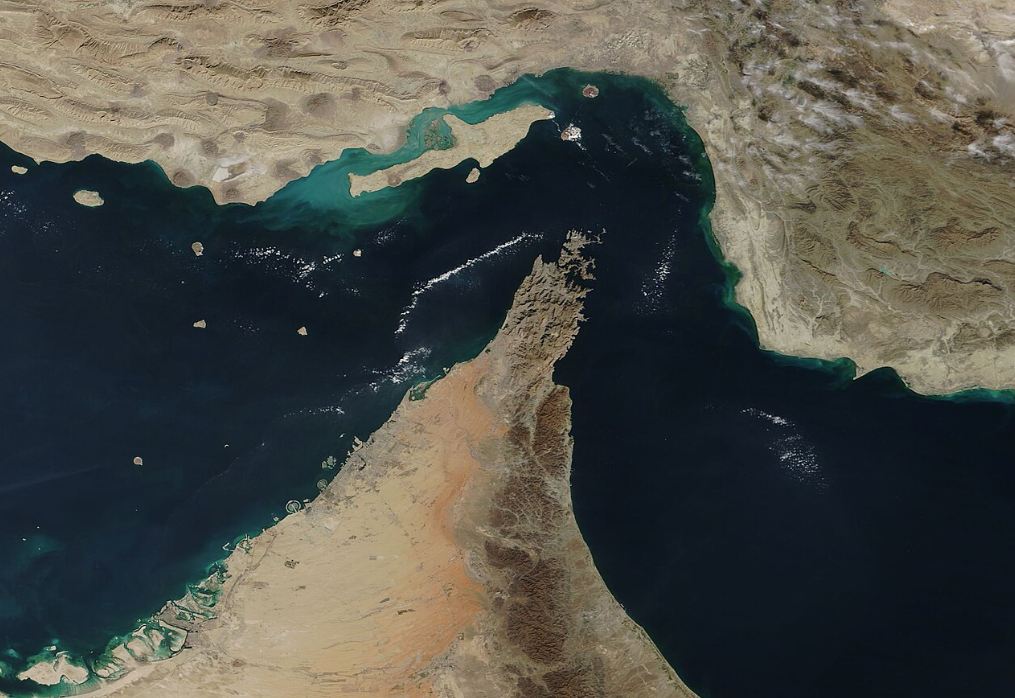
The Strait, which normally handles roughly one fifth of global oil trade, remains a critical chokepoint despite the interim agreement reached between the United States and Iran in mid June. While the deal has supported a partial return of tanker traffic, physical constraints continue to limit a full normalization. Shipping lanes still require mine clearance, logistics networks remain disrupted, and insurers and vessel operators have yet to return to pre crisis operating patterns.
Markets have responded to the prospect of improving supply. Oil prices have eased significantly in recent weeks, providing relief ahead of the Northern Hemisphere summer demand season. Yet the price correction reflects not only expectations of higher Gulf exports but also a substantial contraction in consumption.
According to the IEA’s latest Oil Market Report, global oil demand in the second quarter of 2026 is projected to fall by nearly 5 million barrels per day compared with the same period in 2025. The decline represents one of the sharpest year over year adjustments in recent decades and illustrates how quickly consumers, industries, and governments altered behavior during the crisis.
Much of the demand response emerged in Asia Pacific economies, where policymakers implemented measures to shield households and businesses from elevated energy costs. Reduced transportation activity, efficiency campaigns, and flexible work arrangements contributed to lower fuel consumption while exposing the economic sensitivity of heavily import dependent markets.
The first response came from inventories. Elevated prices encouraged unprecedented stock withdrawals by commercial market participants, complemented by the IEA’s largest coordinated emergency release of strategic reserves. The combined effect introduced additional volumes into global markets at a time when physical disruptions threatened supply security.
The second adjustment involved trade flows. Gulf producers accelerated the use of alternative export routes that bypassed the Strait of Hormuz, while non Middle Eastern suppliers increased production and shipments. The United States emerged as a major balancing force, expanding crude exports to offset regional disruptions and reinforcing its role as a flexible supplier to international markets.
Refining systems constituted the third pillar of adaptation. Facilities across multiple regions adjusted crude slates and product outputs to compensate not only for reduced Middle Eastern crude availability but also for declining exports of refined products from the Gulf. The speed of those adjustments highlighted the resilience of global refining networks, although such flexibility depends on maintaining spare capacity and diversified feedstock access.
China played an especially important role in reducing market pressure. Between February and May, Chinese crude imports fell by 40 percent, equivalent to 4.6 million barrels per day. The contraction significantly eased competition for available cargoes and contributed to stabilizing international markets during a period of heightened uncertainty.
Whether that decline reflects temporary economic conditions, strategic inventory management, or longer term structural changes in Chinese energy demand remains an important question for oil producers and traders alike. Any sustained moderation in Chinese imports could alter assumptions underpinning future global demand growth.
The IEA’s 2026 Southeast Asia Energy Outlook argues that the Strait of Hormuz crisis has exposed long standing weaknesses in the region’s energy architecture. Rapid economic growth, rising consumption, and increasing import dependence have amplified vulnerability to external disruptions at a time when energy affordability and security have become central political concerns.
Short term interventions, including remote work initiatives and demand management programs, have helped moderate immediate impacts. Yet the report suggests that such measures address symptoms rather than underlying structural risks.
Under current policy trajectories, Southeast Asia’s collective energy import bill could reach $400 billion annually by 2050, representing approximately 5 percent of regional economic output. That projection underscores the growing financial burden associated with maintaining dependence on imported fossil fuels amid increasingly volatile geopolitical conditions.
Diversification therefore emerges not merely as a climate objective but as an economic and security imperative. Expanding domestic renewable generation, strengthening regional electricity interconnections, developing alternative fuel supply chains, and improving energy efficiency each offer mechanisms to reduce exposure to external shocks.
The recent disruption in the Strait of Hormuz has demonstrated that energy security can no longer be evaluated solely through the lens of supply adequacy. Resilience increasingly depends on the ability of economies to adapt rapidly, diversify procurement channels, and reduce structural dependence on single transit routes whose stability remains vulnerable to geopolitical tensions.
For oil markets, the recovery in Hormuz exports provides a measure of short term relief. For Southeast Asia, however, the episode reinforces a more enduring challenge: balancing economic growth with an energy system that remains deeply exposed to risks beyond the region’s control.