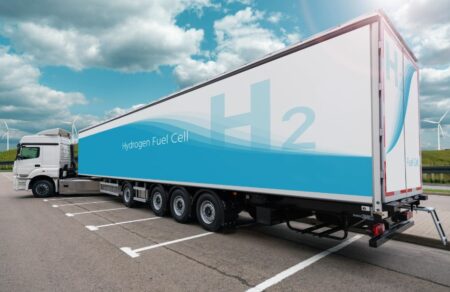




Tata Motors Limited has signed a memorandum of understanding with V.O. Chidambaranar Port Authority to deploy 40 hydrogen internal combustion engine powered heavy duty prime movers at the port of Tuticorin over the next two years.
The initiative is being funded by the Ministry of Ports, Shipping and Waterways, signaling that New Delhi is willing to underwrite early hydrogen use cases in hard to abate logistics segments.
The project starts cautiously. Initial trials will involve a single hydrogen powered prime mover operating in real port conditions before the phased introduction of Tata’s 55 tonne Prima trucks. This sequencing matters. Hydrogen internal combustion engines are mechanically closer to diesel platforms than fuel cell electric trucks, but they still face unresolved issues around fuel efficiency, hydrogen slip, and long term engine durability. Port environments, with predictable duty cycles and centralized refueling, offer a controlled setting to test whether these drawbacks can be managed without disrupting operations.
From a technology perspective, Tata’s choice of hydrogen ICE rather than fuel cells reflects current market constraints. Fuel cell trucks remain significantly more expensive, rely on imported stacks, and face limited domestic manufacturing capacity. Hydrogen ICE vehicles, while less efficient on a tank to wheel basis, can be produced using modified existing engine architectures. That reduces upfront costs and shortens deployment timelines, a key factor for ports under pressure to show emissions reductions without compromising throughput.
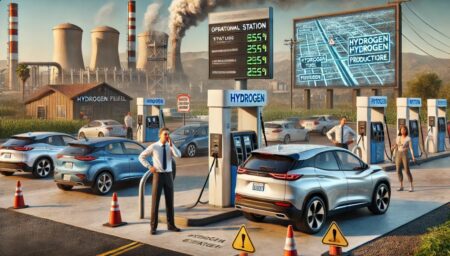
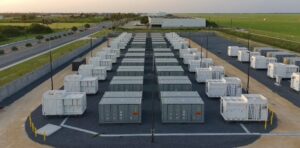
Still, the economics are far from settled. The port authority has indicated plans to invest in a 2 MW electrolyzer and dedicated hydrogen refueling infrastructure. Even at that scale, green hydrogen production costs in India remain multiple times higher than diesel on an energy equivalent basis, particularly when electrolyzers operate at low utilization. Unless the hydrogen is heavily subsidized or electrolyzer load factors increase through additional demand, operating costs for the prime movers are likely to exceed conventional alternatives.
The involvement of the Ministry of Ports, Shipping and Waterways suggests that this gap is being addressed, at least temporarily, through public funding. That raises a broader question for the sector. Is hydrogen at ports a long term commercial solution, or a policy driven bridge to demonstrate feasibility and build early supply chains? For now, the Tuticorin deployment appears firmly in the latter category, prioritizing learning and signaling over immediate cost competitiveness.
For VOC Port, the project is as much about positioning as emissions. Indian ports are increasingly competing on sustainability credentials, particularly as global shipping lines face tightening climate disclosure requirements. A hydrogen powered cargo handling fleet allows the port to market itself as a green logistics hub, even if the absolute emissions impact remains modest in the early phases.
For Tata Motors, the collaboration fits into a broader alternative fuel strategy that spans battery electric, compressed natural gas, and hydrogen platforms. As part of the Tata Group, the company benefits from cross sector exposure to renewable energy, power electronics, and industrial hydrogen projects. That ecosystem advantage could prove critical if hydrogen trucks move beyond pilots and into scaled deployment.