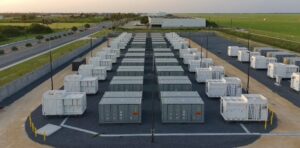




TotalEnergies has agreed to sell a 50 percent stake in a portfolio of 11 battery storage projects to Allianz Global Investors, advancing nearly 800 MW of new capacity scheduled to enter operation by 2028.
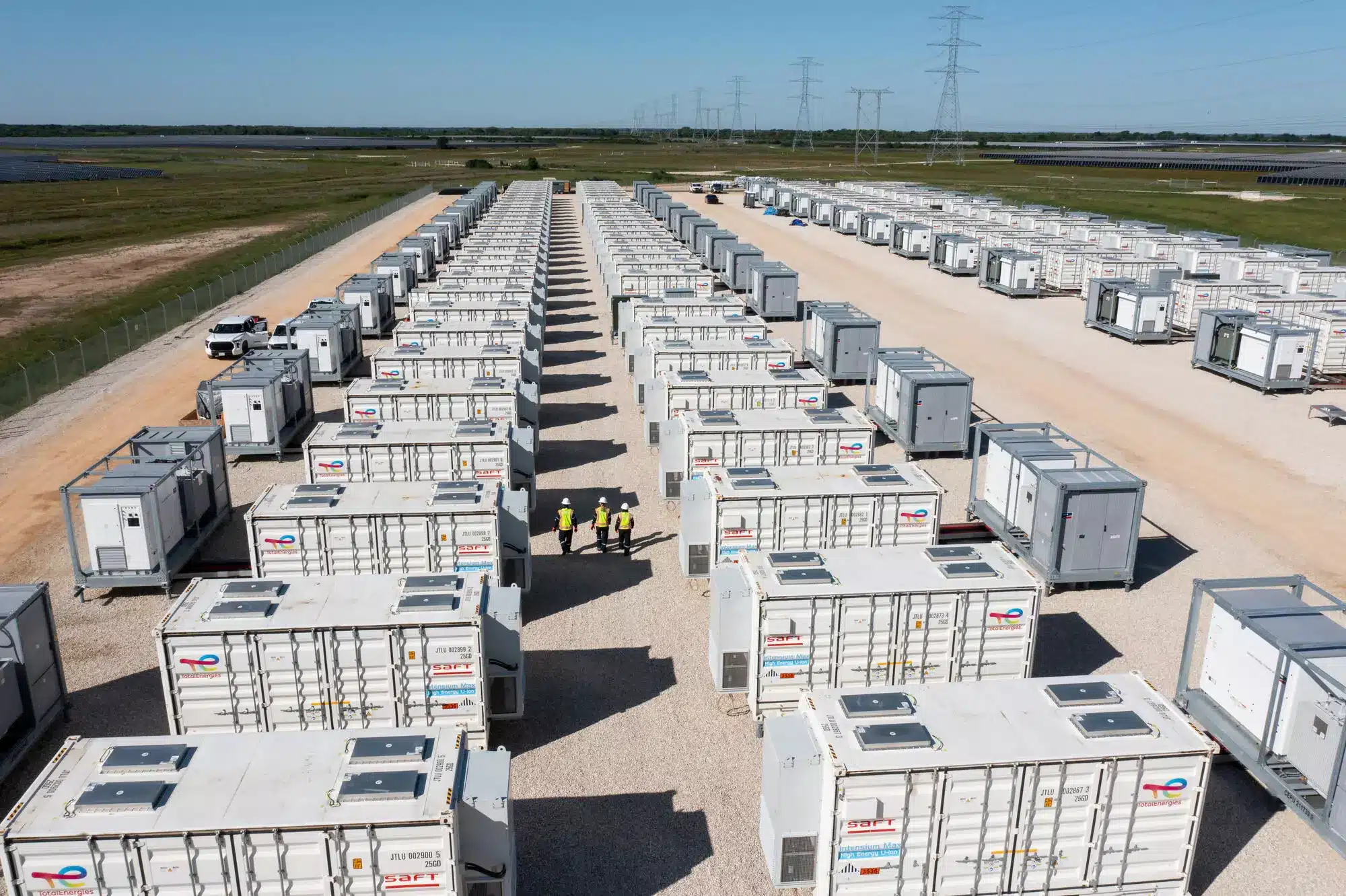
The transaction covers projects totaling 789 MW and 1,628 MWh, with a combined investment value of about €500 million. Roughly 70 percent of the capital structure will be debt financed, underscoring how utility scale storage in Germany is increasingly treated as bankable infrastructure rather than an experimental add on. The assets are being developed by Kyon Energy, a subsidiary of TotalEnergies, which will also retain operational control once the systems are commissioned.
Battery storage has moved from a marginal role to a system level necessity in Germany. Wind and solar now account for more than half of annual electricity generation, but grid congestion and price volatility have intensified as dispatchable capacity exits the market. Storage is being positioned as a flexibility tool that can absorb excess renewable output during periods of oversupply and release it when production drops, reducing curtailment and stabilizing intraday markets. However, the economic case still depends heavily on stacking revenues from multiple services, including frequency control, congestion management, and wholesale price arbitrage.
Most of the projects in this portfolio will deploy next generation lithium ion batteries supplied by Saft, another TotalEnergies subsidiary. Vertical integration allows the developer to manage supply chain risks and standardize system design, but it also concentrates technology exposure within a single corporate group. From an investor perspective, this raises questions about long term performance guarantees and replacement costs as battery degradation becomes a material factor over the assets’ operating life.
For AllianzGI, the deal marks its first direct equity investment in a dedicated battery storage portfolio, building on a broader energy transition strategy that already includes renewables and grid infrastructure. Germany is a core market for institutional capital seeking stable, regulated or quasi regulated returns, yet storage revenues remain largely market driven. That mismatch between investor expectations and merchant risk is one reason partnerships with large integrated energy companies have become common, allowing financial investors to rely on established trading and aggregation capabilities.
TotalEnergies has framed the transaction as a capital recycling move, freeing balance sheet capacity while maintaining exposure to Germany’s power market. The company is active across generation, storage, and trading, a combination that becomes more valuable as price spreads widen and flexibility premiums increase. Recent power purchase agreements with industrial offtakers signal growing demand for firmed renewable supply, but batteries alone cannot guarantee long duration coverage during prolonged low wind and solar periods.