




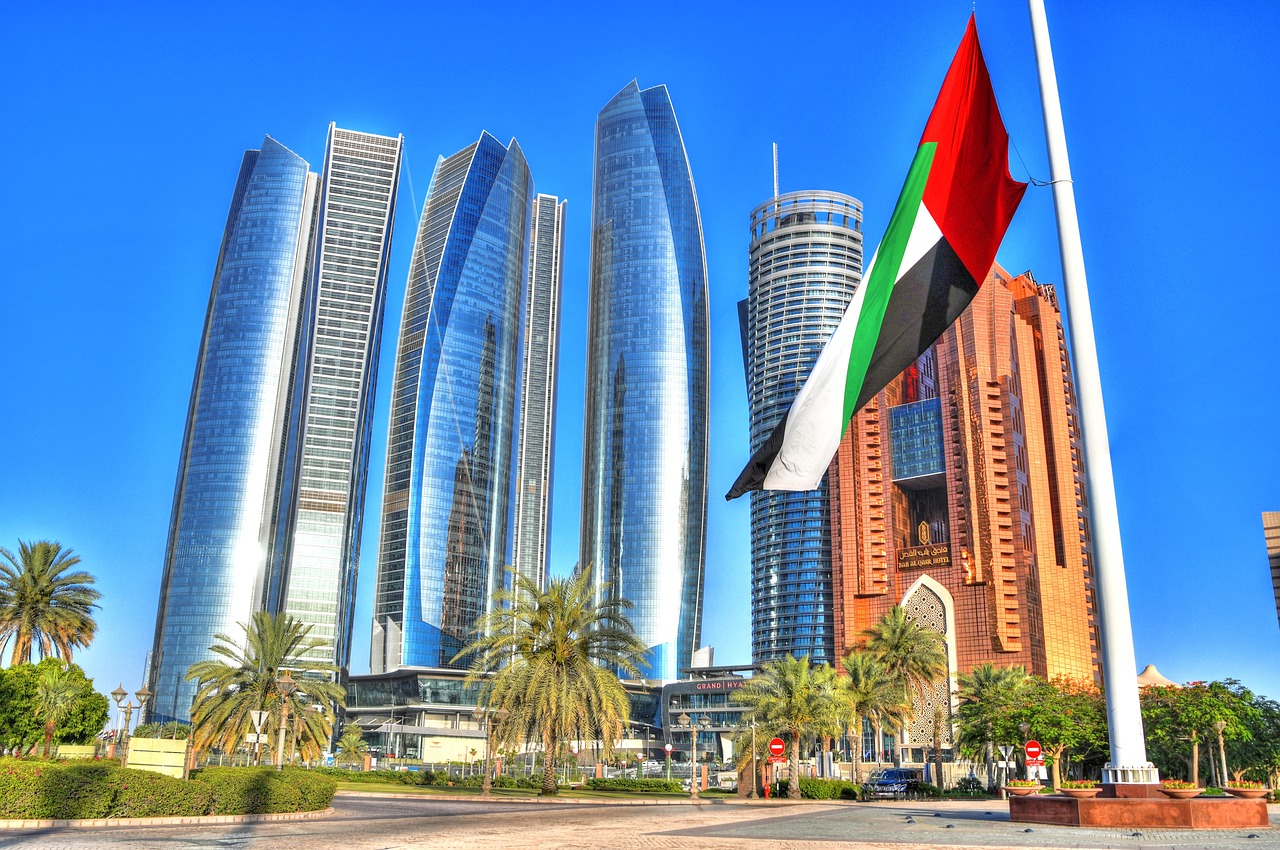
The United Arab Emirates has moved beyond pilot programs in the circular economy, embedding it into a broader economic restructuring agenda that now includes 22 approved and implemented policies spanning waste, materials, infrastructure, transport, and industrial design.
The scale and scope of these measures signal a shift from sustainability as an adjunct policy goal to a central mechanism for economic diversification, competitiveness, and long-term resilience under the country’s We the UAE 2031 vision.
Circular economy policy is unfolding alongside the UAE’s push toward what officials describe as a “new economy,” driven by innovation, advanced technology, and knowledge-intensive sectors. By mid-2025, more than 56,000 companies were operating across new economy segments including renewable energy, green technologies, digital platforms, fintech, and artificial intelligence. Within this context, circularity is positioned less as an environmental objective and more as an efficiency and value-retention strategy aimed at reducing resource dependency while attracting investment into recycling, materials recovery, and advanced manufacturing.
Policy implementation to date has focused heavily on waste and materials management, long recognized as structural bottlenecks in fast-growing economies. Measures include extended producer responsibility frameworks, mandatory source separation of waste across residential and commercial sectors, and the creation of a national materials and waste database to improve transparency across supply chains. Inter-emirate regulation of resource flows is designed to support investment in recycling facilities by ensuring consistent feedstock availability, while new controls on plastic leakage and recyclable materials aim to reduce environmental losses that undermine system efficiency.
Regulatory reform has moved in parallel. Updated legislation governing digital trade, intellectual property, copyright, and commercial transactions is intended to provide legal certainty for companies operating at the intersection of technology, sustainability, and manufacturing. These reforms are particularly relevant for circular economy business models, which often depend on data sharing, product traceability, and secondary markets that fall outside traditional regulatory frameworks.
Sector-specific clustering is emerging as a complementary strategy. The development of a national food economic cluster illustrates how circular principles are being integrated into industrial policy. By linking agricultural production, food processing, and agri-tech within a single ecosystem, the cluster aims to improve resource efficiency, reduce food loss, and increase the sector’s contribution to GDP. By the first half of 2025, more than 40,000 national and international trademarks were registered in food-related activities, underscoring the commercial scale at stake.
The UAE Circular Economy Council is now preparing a second wave of policies that expand beyond waste into infrastructure, water, transport, and energy systems. Proposed measures include a national roadmap for green infrastructure, circular water management standards for industrial users, and design guidelines for multi-material products that are easier to recycle. Reverse logistics and supply chain recovery are also being prioritized to address a common failure point in circular systems, particularly for high-volume consumer goods.
Transport and energy feature prominently in the next policy phase. Planned actions include unifying electric vehicle charging standards, regulating the full life cycle of tires and biodiesel, supporting sustainable aviation fuel deployment, and improving oversight of waste oil management. These initiatives align circular economy objectives with broader decarbonization goals, while attempting to reduce fragmentation across infrastructure systems.
Small and medium-sized enterprises are a recurring focus, reflecting recognition that circular economy deployment often depends on distributed, localized business models rather than large centralized assets alone. Targeted support mechanisms are intended to lower entry barriers for SMEs developing recycling technologies, circular materials, and service-based models that extend product lifetimes.