


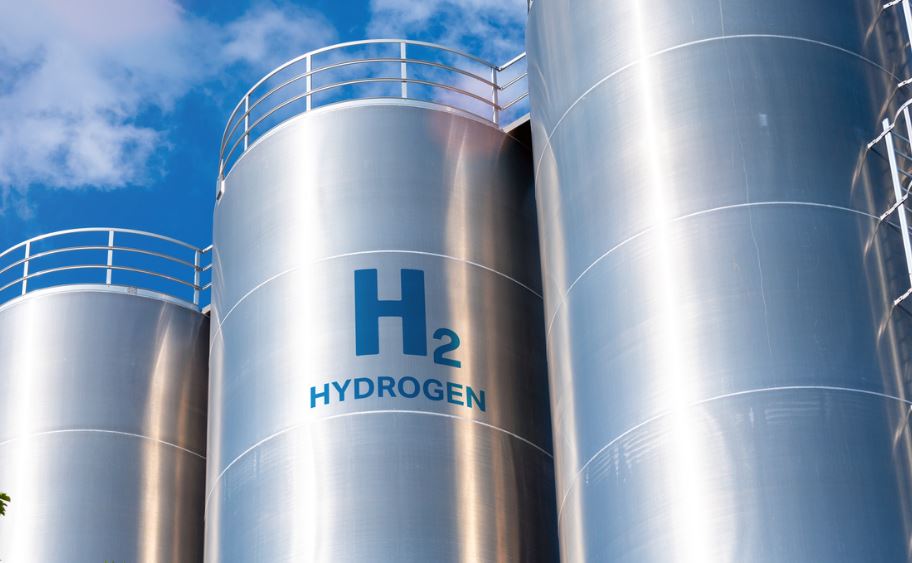


Croatian oil and gas company INA has contracted Koncar and Siemens Energy’s local subsidiary for €22.5 million to develop a 10 MW electrolyzer facility at its Rijeka refinery, backed by €15 million in state aid through the national recovery and resilience plan. The project represents a 67% public subsidy rate, indicating that green hydrogen production economics at this scale remain heavily dependent on government support despite growing policy pressure on refineries to reduce process emissions.
Refineries constitute one of the largest existing hydrogen consumption sectors, currently sourcing the molecule primarily through steam methane reforming of natural gas. This gray hydrogen production generates approximately 10 kg of CO2 per kg of hydrogen produced, creating significant scope 1 emissions for refining operations as carbon pricing mechanisms tighten across European jurisdictions. INA’s Rijeka facility processes approximately 90,000 barrels per day, requiring substantial hydrogen volumes for hydrocracking and desulfurization processes. A 10 MW electrolyzer operating at 75% capacity factor would generate roughly 1,700 tonnes of hydrogen annually, representing a small fraction of typical refinery hydrogen demand but establishing infrastructure and operational experience for potential expansion.
The €15 million state contribution through Croatia’s recovery and resilience plan reflects EU’s strategy to use post-pandemic reconstruction funding for decarbonization investments. These funds require member states to allocate minimum percentages toward climate objectives, creating incentives for projects like green hydrogen that might otherwise fail commercial viability tests at current cost structures. Without this subsidy level, the project’s internal rate of return would likely fall below thresholds that attract private capital, given electricity costs, electrolyzer capital expenditure, and competing uses for refinery investment budgets.
Koncar’s lead role in the consortium positions the Croatian manufacturer in a growing but highly competitive electrolyzer supply market. The company traditionally focuses on electrical equipment including transformers and electric motors, with this hydrogen project representing diversification into adjacent technologies. However, electrolyzer markets increasingly concentrate among specialized vendors like Nel, ITM Power, and Plug Power that benefit from manufacturing scale economies and established technology track records. Koncar’s ability to secure follow-on contracts beyond this initial subsidized installation depends on demonstrated performance and cost competitiveness against these established suppliers.
Siemens Energy’s participation as a local subsidiary partner provides engineering expertise and equipment procurement relationships, though the specific division of responsibilities between the two contractors remains unclear. Siemens Energy maintains electrolyzer development programs and has announced multiple hydrogen projects globally, creating potential conflicts or synergies with Koncar, depending on their respective scope allocations in this engagement. Joint contracting arrangements in first-of-kind installations often produce coordination challenges that affect project timelines and cost overruns, risk factors that INA presumably addressed through the turnkey contract structure.
The accompanying €10.9 million solar power plant contract with Koncar for 11 MW capacity suggests integrated renewable energy and hydrogen production planning. Direct coupling of solar generation with electrolyzer operation theoretically reduces electricity costs and improves project carbon intensity metrics, though intermittency mismatches between solar production curves and refinery hydrogen demand typically require either grid connection for balancing or expensive battery storage. The 11 MW solar capacity relative to a 10 MW electrolyzer nameplate suggests grid-connected operation rather than isolated renewable-hydrogen coupling, allowing the solar plant to export excess generation and the electrolyzer to operate during periods of low solar output.
Rijeka’s coastal location provides potential advantages for hydrogen export infrastructure development if production scales beyond refinery consumption. Several European initiatives propose hydrogen corridors connecting production sites to demand centers, with maritime routes under consideration for bulk transport. However, current hydrogen transport economics favor pipeline distribution over shipping except at very large volumes, and existing natural gas pipeline networks require substantial modifications to handle hydrogen’s different physical properties. INA’s project scale falls well below thresholds where export economics become viable, positioning the facility primarily as captive consumption for refinery operations.
Croatia’s energy transition strategy emphasizes natural gas as a transition fuel alongside renewable deployment, creating some tension with accelerated hydrogen development. The country invested significantly in LNG import capacity and pipeline connections to regional gas networks, infrastructure with decades-long amortization periods that assume continued natural gas demand. Green hydrogen production competes with natural gas-derived hydrogen at refineries and potentially displaces gas in other applications, raising questions about asset stranding risk for recent gas infrastructure investments. Policy coherence between these parallel energy strategies remains an ongoing challenge for Croatian authorities, balancing transition pathways with existing infrastructure commitments.
The €22.5 million contract value for 10 MW electrolyzer capacity yields approximately €2,250 per kW installed cost, a figure that aligns with current market pricing for alkaline or PEM electrolyzers at this scale, including balance of plant and installation. This cost structure must decline substantially to make green hydrogen competitive with gray hydrogen without subsidies. Industry projections suggest electrolyzer costs reaching €500-700 per kW by 2030 through manufacturing scale-up and technology improvements, though these forecasts depend on demand materialization that remains uncertain absent continued policy support.
Turnkey project delivery transfers execution risk to the contractor consortium but typically includes contingency pricing that increases overall costs. INA’s selection of this approach indicates prioritization of schedule certainty and performance guarantees over potentially lower pricing through separate equipment procurement and construction contracting. For a first-of-kind national installation where operational learning holds strategic value, this risk transfer likely justifies incremental cost, though it may reduce project replicability at lower price points for subsequent installations.
The project timeline and operational start date remain unspecified, though turnkey electrolyzer installations of this scale typically require 18-30 months from contract execution to commissioning. Delays in equipment manufacturing, interconnection approvals, or permitting processes could extend this timeline, particularly for novel applications where regulatory frameworks may lack established precedents. Croatia’s environmental permitting and grid connection procedures have historically required extensive timelines, creating execution risk even for well-funded projects with government backing.
INA’s hydrogen strategy fits within broader European refinery sector responses to tightening emissions regulations and uncertain long-term petroleum product demand. Refineries face mounting pressure to reduce carbon intensity while confronting structural demand declines in transportation fuels as electrification accelerates. Green hydrogen adoption addresses immediate compliance needs but requires capital allocation that competes with facility maintenance, efficiency improvements, and potential facility rationalization as excess European refining capacity persists. The subsidy-dependent economics of this initial project highlight the financial challenges refineries face in pursuing deep decarbonization without policy mechanisms that offset incremental costs or enable their recovery through product pricing.
Add EnergyNews.biz as a preferred source on Google


