


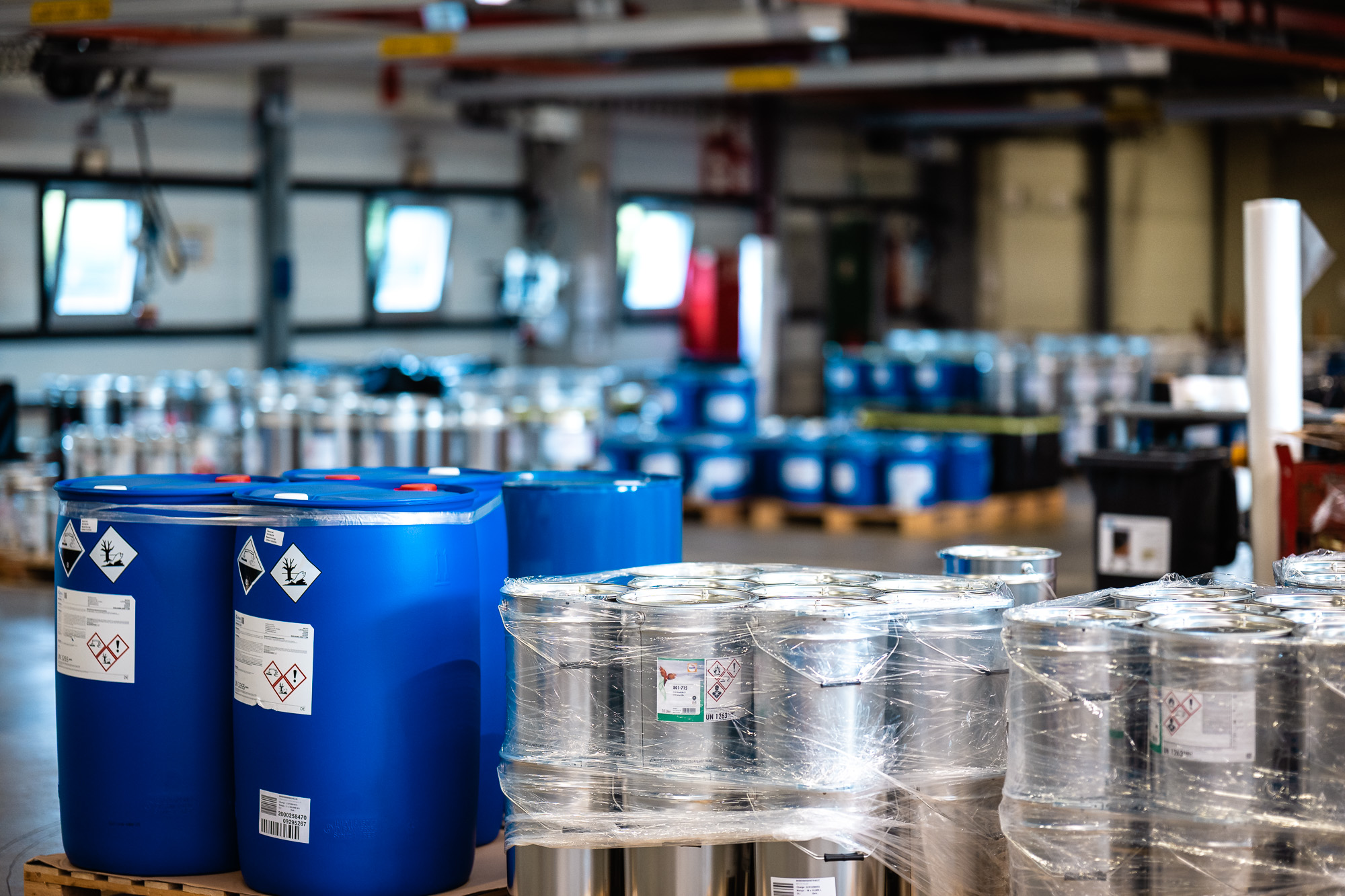


BASF Coatings has replaced its internally developed carbon accounting system with a new digital solution capable of calculating Product Carbon Footprints for roughly 120,000 sales products in real time, reflecting a broader push by chemical suppliers to standardize and audit emissions data at scale.
The new system creates a single, globally consistent CO2 data backbone that spans raw material sourcing, logistics, and energy consumption across more than 30 production sites. At a time when customers increasingly demand verifiable emissions data to meet regulatory disclosure requirements and internal climate targets, BASF’s move addresses a persistent industry challenge: translating complex, multi-variant production processes into traceable and comparable carbon metrics.
For coatings, that complexity is structural rather than incidental. Paint formulations often involve thousands of raw materials and a wide range of color variants, each with distinct emissions profiles. By integrating CO2 data for more than 25,000 globally sourced raw materials and mapping site-specific energy flows, the new tool aims to capture these variations with a level of granularity that legacy systems struggled to maintain. BASF says this uniform methodology enables consistent calculations across its entire portfolio, reducing discrepancies that can arise when product-level data is derived from aggregated averages rather than process-specific inputs.
The strategic importance of this shift lies less in the technology itself than in its implications for customer decision-making. Reliable Product Carbon Footprint data increasingly influences supplier selection, particularly among automotive OEMs facing tightening emissions targets under European and global climate frameworks. BASF Coatings positions its system as a foundation for traceable CO2 accounting, allowing customers to compare products on a like-for-like basis and assess trade-offs between performance, cost, and emissions.
The adoption of SAP Sustainability Footprint Management underpins this approach, embedding carbon accounting within enterprise resource planning rather than treating it as a parallel sustainability function. This integration reflects a broader industry trend toward auditable, system-supported emissions reporting, driven by regulatory pressure and growing skepticism toward self-reported climate data that lacks third-party verification or digital traceability.
Beyond carbon accounting, BASF Coatings is extending its analytical scope through complementary tools such as GLASS and EcoImpact Assessment, which shift the focus from product footprints to process-level emissions. These tools allow OEMs and bodyshops to analyze the entire coating application chain, identifying efficiency and emissions reduction opportunities that extend beyond the product itself. In practice, this process perspective is critical, as application energy use and material losses can materially influence lifecycle emissions in automotive finishing operations.
The company’s emphasis on expanding impact categories beyond CO2 also signals a recognition that climate metrics alone may be insufficient for future sustainability assessments. While BASF has not detailed which additional indicators are included, the move aligns with emerging lifecycle assessment practices that consider broader environmental impacts, potentially shaping product development priorities over time.
These digital investments sit within BASF Coatings’ stated objective to cut its own CO2 emissions by 40 percent by 2030 relative to 2018 levels. Achieving this target depends not only on internal efficiency gains but also on upstream and downstream collaboration, including the use of renewable energy, alternative raw materials, and certified mass balance or recycled feedstocks. By providing customers with more precise emissions data, BASF is effectively externalizing part of its decarbonization strategy, embedding climate considerations into purchasing and application decisions across the value chain.
Add EnergyNews.biz as a preferred source on Google


