


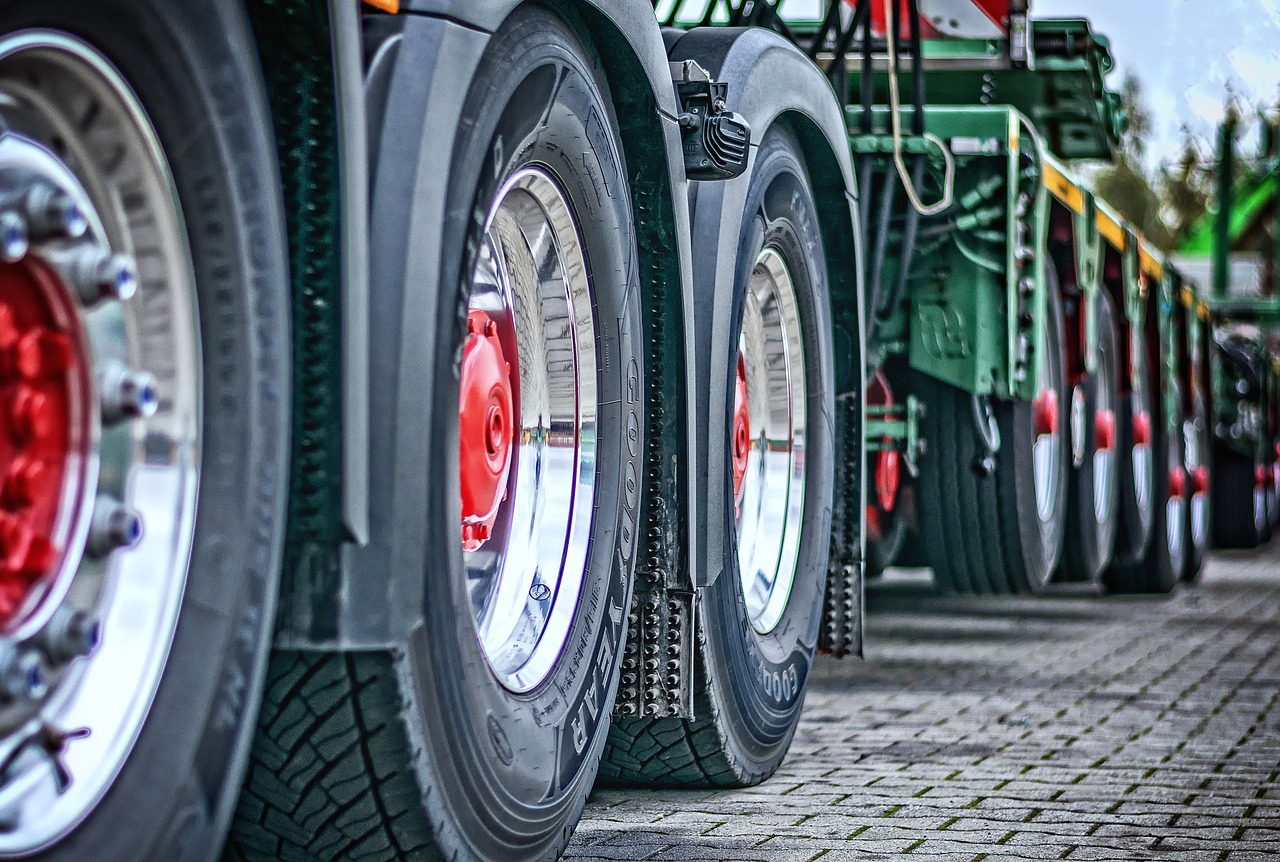


Janus Electric Holdings Ltd move to anchor its North American expansion around closed loop logistics hubs powered by on site energy generation marks a clear departure from the grid dependent electrification strategies that have struggled to scale in heavy duty transport.
Janus has entered a binding commercial agreement with an unnamed Canadian consortium to deploy its swappable battery electric truck technology across circular energy and freight projects in Canada. The company frames the deal less as a vehicle supply contract and more as a systems integration exercise. Trucks, energy generation, fuel processing, and carbon capture are intended to function as a single captive ecosystem rather than discrete assets.
That positioning matters. Most electric heavy truck pilots in North America continue to rely on grid connected fast charging, a model that has struggled to scale for duty cycles exceeding regional distribution. Grid connection delays, demand charges, and peak load constraints routinely undermine the economics of battery electric trucks operating at diesel equivalent utilization rates. Janus is attempting to sidestep that bottleneck entirely.
Under the agreement, Janus will export conversion kits from its New South Wales facility to Ontario, where diesel trucks will be retrofitted locally. The kits include electric motors, drivetrains, battery mounting systems, and charging infrastructure. Batteries will be supplied by Canadian manufacturer Electrovaya, aligning production with domestic content requirements that often underpin eligibility for federal and provincial incentives.
The operational energy model departs sharply from standard electrification playbooks. Rather than sourcing electricity from the grid, the trucks will be powered by an integrated waste to energy system based on advanced pyrolysis, combined with carbon capture infrastructure designed to recover carbon dioxide at the point of combustion. The energy assets will be owned and operated by the commercial partner, not Janus, with the stated goal of supplying low emissions power directly to the fleet behind the meter.
This architecture directly targets two structural weaknesses in heavy truck electrification. The first is range. Battery electric long haul trucks typically require either oversized battery packs or extended charging windows, both of which penalize payload, asset utilization, or both. Janus battery swapping system allows depleted packs to be exchanged in minutes, preserving duty cycles comparable to diesel operations.
The second is energy cost certainty. By pairing battery swapping with captive energy generation, the model aims to decouple fleet operating costs from wholesale electricity prices and grid tariffs. Janus chief executive Ben Hutt has described the system as economically negative cost, a claim that rests entirely on the assumed availability of low cost waste feedstocks and the efficiency of the pyrolysis and capture process. Those variables will ultimately determine whether the economics hold beyond controlled pilot environments.
From a risk allocation perspective, the agreement is structured conservatively for Janus. The company is not required to commence manufacturing or allocate capital until it receives a 50 percent production deposit. That deposit itself is conditional on the consortium securing binding commitments from asset financiers and confirming eligibility for Canadian incentive programs, including investment tax credits and accelerated depreciation mechanisms. Until those conditions are met, deployment volumes remain indicative rather than contractual.
This cautious sequencing reflects the capital intensity and policy sensitivity of the model. Waste to energy projects in Canada face regulatory scrutiny around feedstock sourcing, emissions accounting, and community acceptance. Carbon capture infrastructure adds further complexity, particularly when integrated at smaller distributed facilities rather than large industrial point sources. Any delay in permitting or incentive approval would directly affect fleet rollout timelines.
Janus has indicated that initial deployments will focus on captive logistics loops with predictable routes and stable waste supply. That constraint is telling. Closed loop freight operations such as port drayage, dedicated industrial haulage, or private fleet shuttles offer the operational control necessary to test battery swapping and behind the meter energy systems without exposure to public charging infrastructure gaps.
What remains unproven is scalability beyond those controlled environments. Battery swapping reduces downtime but requires standardized vehicle configurations and centralized hubs. Waste to energy systems depend on consistent feedstock quality and volume. Carbon capture adds operating and maintenance overhead. Each element may be viable in isolation, but the combined system introduces interdependencies that amplify execution risk.


