


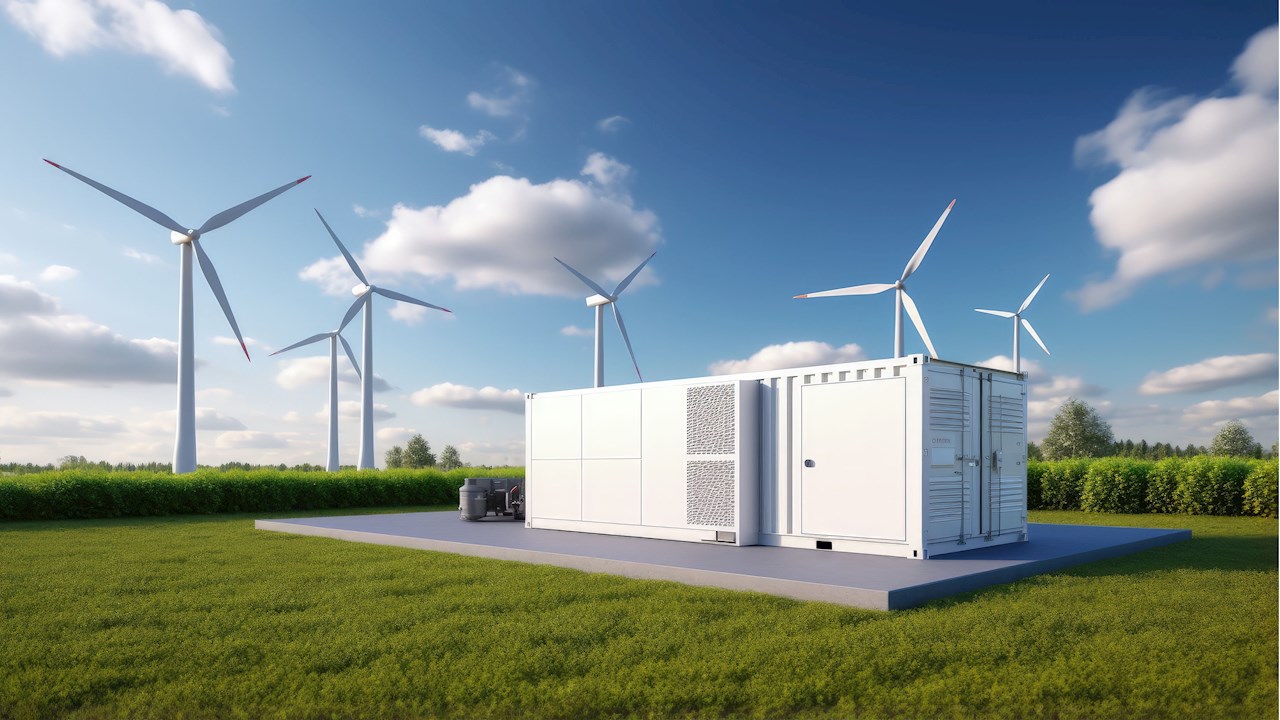


Grid-scale battery installations have grown from niche applications to critical infrastructure components in four years. Global utility-scale battery power capacity increased more than twelve times between 2020 and 2024, according to the International Energy Agency’s Electricity 2026 report, driven by installation costs declining approximately 40% since 2024 and fundamental shifts in power generation portfolios.
The deployment acceleration correlates directly with jurisdictions experiencing rapid variable renewable integration. California, Texas, Germany, the United Kingdom, and South Australia have emerged as leading markets, where battery systems now routinely dispatch stored energy during evening demand peaks when solar generation ceases. This operational pattern addresses a specific grid management challenge: renewable energy sources generating maximum output during periods of low demand while being unavailable when consumption peaks.
Market Economics Drive Storage Adoption
Battery system economics have transformed through manufacturing scale and technology improvements. The pairing of solar photovoltaic installations with co-located storage has transitioned from experimental deployments to standard project configurations, as developers recognize the value proposition of dispatchable renewable capacity. Project announcements suggest continued investor appetite for storage assets, though this interest confronts practical deployment obstacles.
The capital cost reductions enabling this growth stem largely from lithium-ion battery price declines, which have dropped significantly over the past decade. However, these headline figures mask complexities in project economics. Revenue streams for standalone storage facilities remain subject to substantial volatility, as wholesale electricity prices, capacity market payments, and ancillary service revenues fluctuate based on grid conditions and regulatory structures that continue evolving.
Deployment Obstacles Constrain Pipeline Conversion
Despite robust project pipelines, operational capacity lags announcements by multiple years in most markets. Grid interconnection queues have become primary bottlenecks, with connection approval processes extending 24 to 48 months in numerous jurisdictions. Permitting timelines add further delays, particularly in markets without established regulatory frameworks specifically addressing energy storage.
Financing challenges compound these delays. Project developers report difficulty securing affordable capital for assets whose revenue models differ fundamentally from conventional generation. Traditional power project finance relies on long-term offtake agreements providing predictable cash flows, while storage projects frequently operate in merchant markets or under shorter-term contracts that expose investors to price risk. This uncertainty elevates financing costs and constrains project viability at the margin.
The supply chain concentration presents systemic risks that market participants and policymakers are beginning to acknowledge. China controls dominant positions across lithium-ion battery manufacturing, from cell production to critical mineral processing. This geographic concentration creates vulnerability in supply security for technologies becoming integral to grid reliability. Several governments have initiated programs to establish domestic manufacturing capacity and diversify mineral sourcing, though these efforts remain nascent relative to deployment ambitions.
Integration Requirements Scale With Capacity
As battery capacity on power systems grows, integration challenges evolve beyond simple technical interconnection. Grid operators must develop operational procedures for managing thousands of distributed storage assets responding to price signals and dispatch commands. Market rules designed for synchronous generators require adaptation to accommodate resources that can both consume and inject power within seconds.
Texas offers illustrative data on this transition. The Electric Reliability Council of Texas reported battery storage providing over 4,000 megawatts of capacity during peak demand events in 2024, representing material contributions to system adequacy. Yet this same capacity can shift from charging to discharging in response to wholesale price fluctuations, creating operational complexities for grid management that differ from conventional resource coordination.
Germany’s experience highlights regulatory adaptation requirements. The country’s storage deployment accelerated following market rule changes that eliminated double-charging of network fees for storage systems and clarified participation pathways in multiple revenue streams. These regulatory refinements proved necessary preconditions for investment, demonstrating that supportive economics alone prove insufficient without compatible institutional frameworks.
The short-term flexibility these systems provide addresses immediate grid management needs, but their role in longer-duration energy security remains limited by current technology constraints. Lithium-ion batteries typically discharge over two to four hours, suitable for managing daily demand variations but inadequate for multi-day renewable energy droughts or seasonal storage applications. This duration limitation shapes their contribution to overall system reliability, positioning them as complements rather than replacements for other flexibility resources.
Market barriers reducing deployment velocity require targeted policy interventions. Streamlining interconnection processes, establishing clear regulatory treatment of hybrid renewable-plus-storage projects, and developing standardized participation models for storage in wholesale markets represent actionable steps that multiple jurisdictions are pursuing with varying degrees of success. The effectiveness of these measures will substantially influence whether announced project pipelines convert to operational capacity at rates sufficient to match renewable energy deployment trajectories.
Supply chain diversification efforts face economic headwinds, as established manufacturing in China benefits from scale economies and integrated supply chains difficult to replicate quickly elsewhere. Government support programs in the United States, Europe, and other regions aim to offset these advantages through subsidies and procurement preferences, though the ultimate effectiveness of these interventions in creating sustainable alternative supply chains remains uncertain.
Add EnergyNews.biz as a preferred source on Google


