


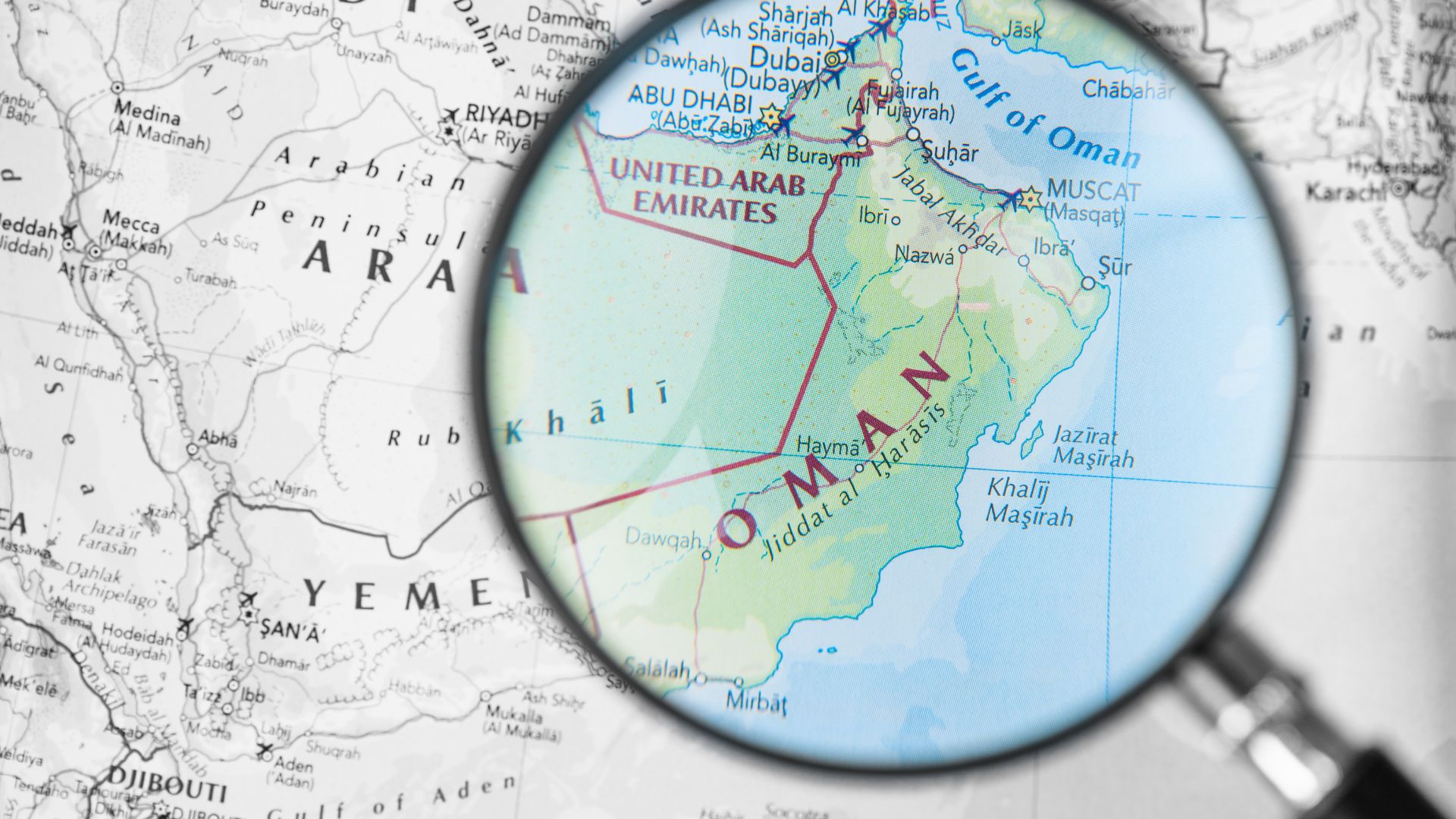


Oman’s hydrogen ambitions are increasingly shifting from export-led projects toward domestic integration, as the Nama Power and Water Procurement Company launches a tender to assess a hydrogen-fueled power plant with a capacity of up to 1 gigawatt.
The proposed independent power project would be designed to operate on up to 100 percent hydrogen, marking a step beyond blending strategies that currently dominate early-stage hydrogen-to-power deployments.
The tender calls for a comprehensive techno-economic study to evaluate the feasibility of an 800 to 1,000 MW facility, including technical configuration, cost structure, and commercial viability. At this stage, the process reflects a familiar pattern in hydrogen development, where ambition is high but investment decisions remain contingent on cost clarity and system integration challenges. The timeline underscores this early-stage positioning, with submissions due in June 2026 and no immediate commitment to construction.
The scale of the proposed plant aligns with conventional gas-fired power infrastructure, raising immediate questions about fuel supply economics. Hydrogen-based power generation remains significantly more expensive than natural gas in most markets, particularly when produced via electrolysis using renewable electricity. Without long-term price visibility or dedicated supply agreements, a fully hydrogen-fueled plant risks exposure to volatile input costs. This is particularly relevant in Oman, where the domestic power system has historically relied on relatively low-cost gas resources.
At the same time, the study reflects a broader strategic shift. Oman is positioning itself as a regional hydrogen hub, with several large-scale projects targeting export markets in Europe and Asia. According to regional project tracking, five of the ten largest low-carbon hydrogen developments in the Middle East expected by 2030 are located in Oman. This concentration of capacity creates a potential pathway for domestic offtake, including power generation, which could help stabilize demand profiles and improve project bankability.
One of the most advanced developments is the green ammonia project led by ACME Group, targeting 1.2 million tonnes per year in its first phase, with commissioning expected by the end of 2026. While primarily export-oriented, such projects could provide the foundation for a domestic hydrogen market if surplus production or contractual flexibility allows for local utilization. However, this transition is not guaranteed, as export contracts typically prioritize higher-margin international buyers.
The economic case for hydrogen-to-power in Oman will depend heavily on system-level considerations rather than standalone generation costs. Hydrogen plants could provide firm, dispatchable capacity to complement intermittent renewable generation, particularly as Oman expands its solar and wind portfolio. In this context, the value of hydrogen lies less in cost competitiveness with gas and more in its role as a balancing mechanism within a decarbonizing grid.
Even under this framework, infrastructure remains a critical constraint. Dedicated hydrogen transport, storage, and handling systems would be required to support a 1 GW-scale power plant. These systems introduce additional capital expenditure and operational complexity, which must be factored into the techno-economic assessment. The absence of established hydrogen infrastructure in Oman’s domestic energy system increases execution risk, particularly in the early phases of deployment.
From a policy perspective, the tender signals an attempt to move beyond pilot projects and into system-scale applications. However, the reliance on a feasibility study indicates that key uncertainties remain unresolved, particularly around cost trajectories, regulatory frameworks, and long-term demand signals. This mirrors broader trends across the hydrogen sector, where project pipelines are expanding rapidly but final investment decisions remain limited.


