


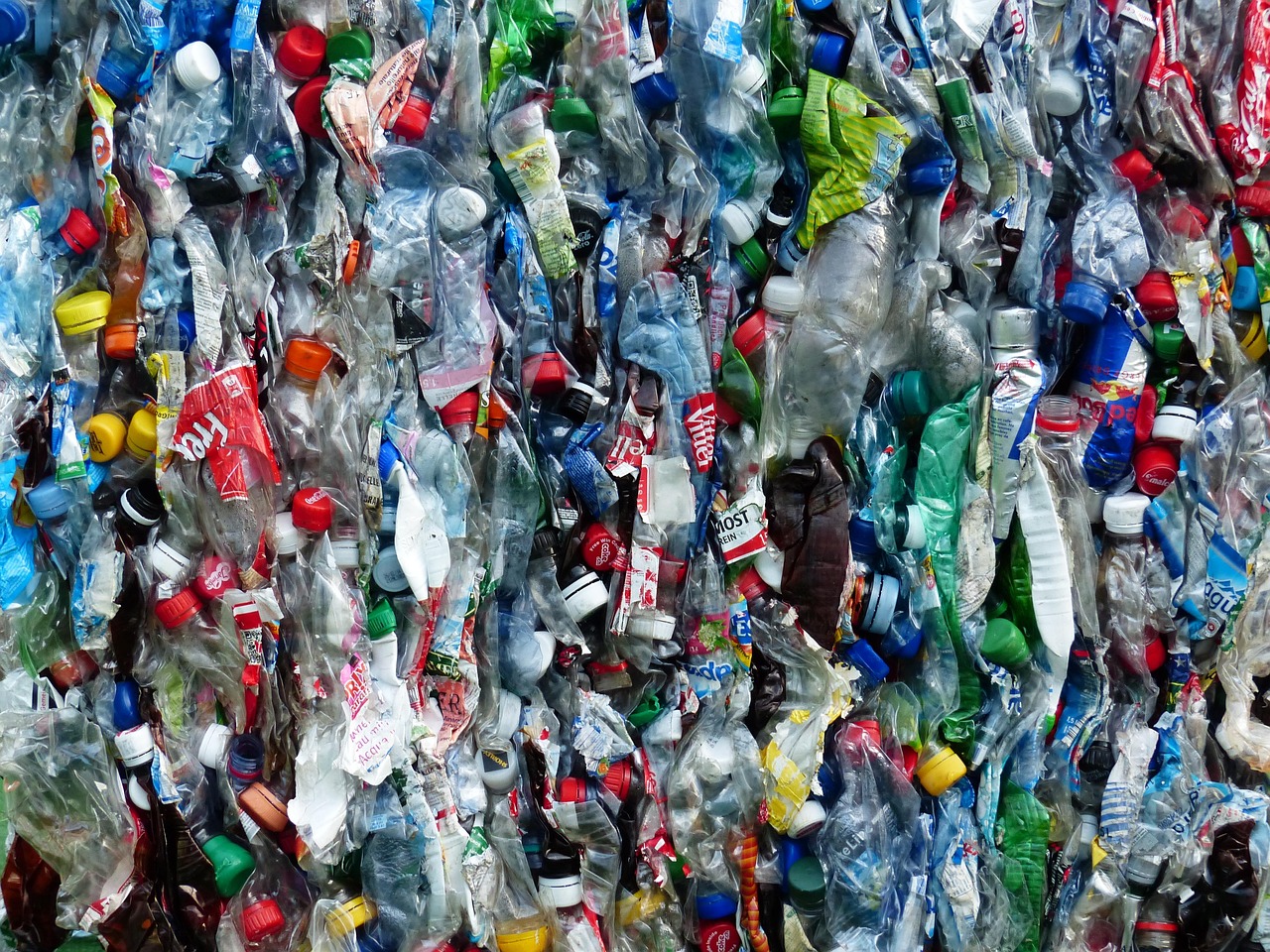


Cork County Council has allocated more than €50,000 under its 2026 Circular Economy Fund to support 29 community level projects aimed at reducing single use plastics and accelerating reuse based consumption models across schools, sports clubs, festivals, and community organizations.
The funding round reflects a growing shift in waste policy implementation toward localized behavioral and infrastructure interventions, particularly in areas where municipal waste systems face increasing costs associated with collection, sorting, and landfill diversion. Rather than focusing on downstream waste processing, the Cork initiative targets upstream consumption patterns, where interventions such as reusable systems and refill infrastructure can reduce waste generation at source.
The 2026 funding allocation supports a range of projects designed to replace single use plastic consumption with reusable alternatives. These include reusable cup systems at public events, reusable container schemes for meal delivery services such as Meals on Wheels, and the installation of permanent water refill stations in schools and sports facilities.
These interventions reflect a structural distinction between recycling oriented waste management and circular economy approaches focused on reuse. While recycling systems typically depend on material recovery after disposal, reuse systems aim to eliminate waste generation entirely by extending product life cycles and reducing demand for single use materials.
In practical terms, these community level initiatives operate within a constrained budget environment. With just over €50,000 distributed across 29 groups, average funding per project remains relatively modest, suggesting that scalability depends heavily on volunteer coordination, local governance capacity, and integration with existing municipal infrastructure rather than large capital investment.
The program’s emphasis on schools, tidy towns groups, sports organizations, and festival organizers reflects a targeted approach to high frequency consumption environments where single use plastics are most prevalent. Events and community gatherings typically generate disproportionate volumes of disposable packaging and beverage waste, making them strategic intervention points for reduction policies.
By prioritizing these settings, Cork County Council is effectively addressing short cycle consumption behaviors rather than broader industrial packaging supply chains, which remain outside the scope of local authority influence.
Projects such as reusable crockery in community centers and permanent hydration infrastructure also indicate a shift toward durable asset deployment rather than consumable based waste management. However, the long term effectiveness of these interventions will depend on adoption rates, maintenance funding, and behavioral persistence beyond initial implementation phases.
The Circular Economy Fund is explicitly designed to move communities away from the traditional linear model of “take, make, use, dispose” toward reuse and waste minimization systems. This aligns with broader European Union policy direction under circular economy action plans, which emphasize material efficiency and reduction of primary resource extraction.
However, the transition remains uneven in practice. While recycling rates across many EU member states have improved, single use plastic consumption has proven more resistant to reduction due to its embedded role in food service, retail packaging, and event logistics. This structural dependence means that local interventions often function as incremental substitutions rather than systemic replacements.
The Cork program illustrates this tension. While reusable systems can significantly reduce waste generation in controlled environments, their effectiveness is contingent on sustained user participation and operational consistency, particularly in public event settings where compliance varies.
The funding approach highlights a governance model where behavioral change and community engagement are treated as primary levers of waste reduction. According to Mayor Mary Linehan Foley, the initiative demonstrates collaboration between local government and community organizations to build reuse culture across multiple sectors.
From a systems perspective, this model reduces reliance on centralized infrastructure expansion, such as large scale recycling facilities or waste-to-energy plants, and instead distributes responsibility across multiple small scale actors. While this can accelerate localized change, it also introduces variability in outcomes depending on organizational capacity and long term funding continuity.
The relatively small financial envelope of the fund suggests that its primary objective is catalytic rather than transformational, supporting pilot projects and demonstration models that can be replicated if proven effective.
Despite the practical benefits of reusable systems, scaling remains constrained by logistics, hygiene management, and user compliance costs. For example, reusable cup and container schemes require collection, cleaning, and redistribution infrastructure that may not exist uniformly across rural and urban settings.
Similarly, permanent water refill stations depend on maintenance funding and public awareness to achieve sustained usage levels. Without consistent operational support, such infrastructure risks underutilization, limiting its impact on overall waste reduction metrics.


