


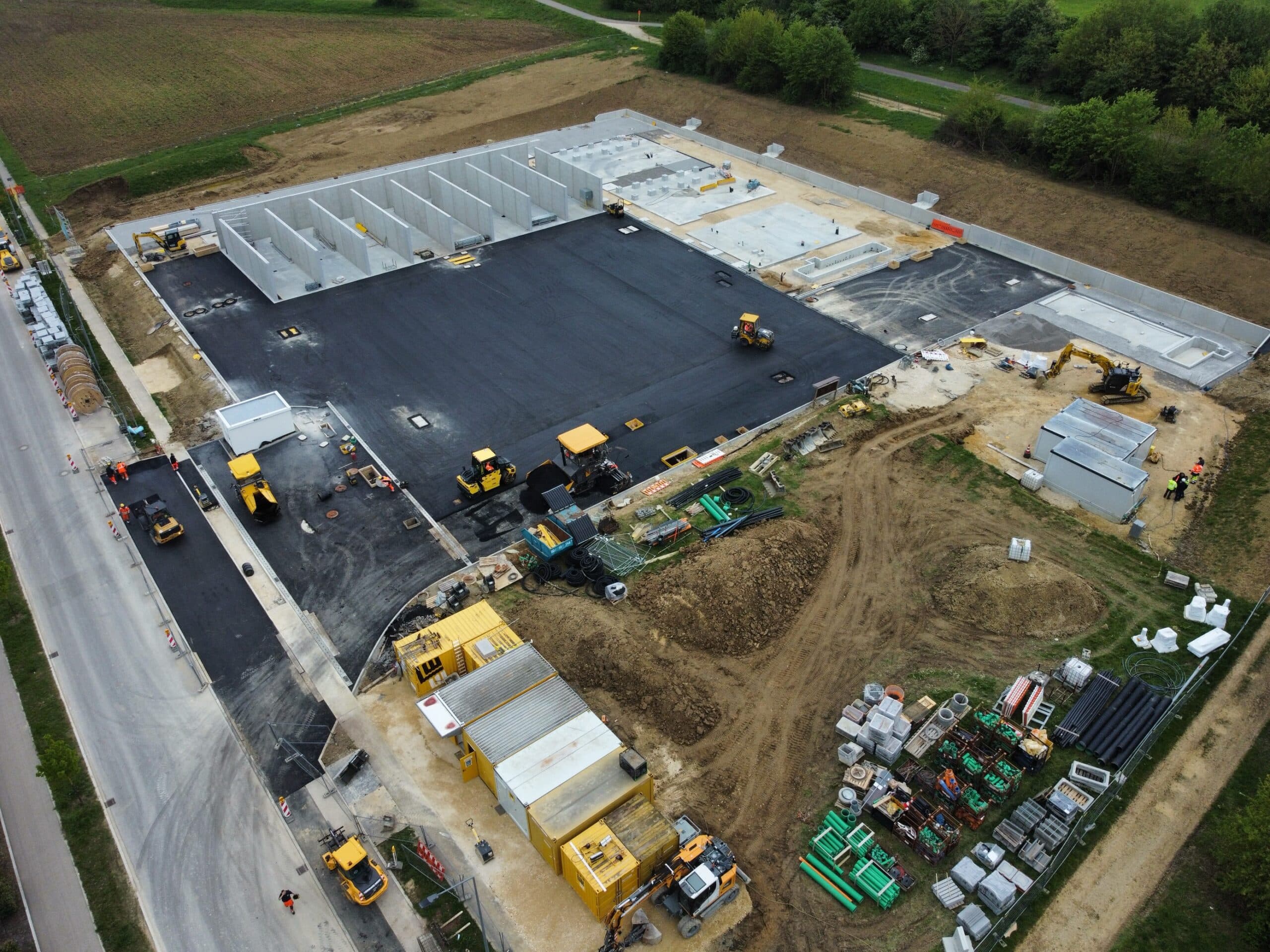


Lhyfe and STRABAG have signed a strategic co development agreement aimed at accelerating green hydrogen projects in Germany, with potential expansion into other European markets over time.
The partnership reflects growing industry expectations that Germany could become one of Europe’s first large scale regulated renewable hydrogen markets under RED III implementation rules.
The significance of the agreement lies less in the announcement itself and more in what it reveals about where Europe’s hydrogen sector is heading.
Under RED III, European member states are introducing binding targets for renewable fuels of non biological origin, commonly referred to as RFNBOs, particularly within industrial sectors. These mandates are designed to create long term demand visibility for renewable hydrogen and its derivatives, addressing one of the largest barriers to project financing.
The European hydrogen sector has faced a widening gap between announced production capacity and projects reaching final investment decision. According to the International Energy Agency, only a relatively small share of announced global low emission hydrogen projects have advanced into construction or operational phases, largely due to uncertainty around offtake agreements and long term economics.
By transposing RED III into national law, Germany is creating legally binding consumption requirements for renewable hydrogen in selected industrial sectors. This effectively transforms hydrogen demand from a voluntary corporate decarbonization strategy into a compliance driven market mechanism.
Projects that previously depended heavily on speculative future demand may now gain improved financing conditions because industrial consumption becomes partially mandated under European climate frameworks. Developers, construction firms, infrastructure providers, and financiers are increasingly repositioning themselves around this expectation.
Lhyfe has focused heavily on operational hydrogen production infrastructure, positioning itself as a producer of RFNBO certified hydrogen through water electrolysis. The company states that it operates four certified production sites with two additional facilities under construction, alongside a transport fleet exceeding 80 Type 4 hydrogen containers and multiple storage locations across Europe.
Operational scale is becoming increasingly important within the hydrogen sector as markets move beyond pilot projects toward industrial supply chains requiring reliability, certification compliance, and logistics capabilities.
STRABAG brings a different strategic function to the partnership. Large scale hydrogen deployment increasingly depends not only on electrolyzer technology but also on engineering execution, permitting, financing structures, and infrastructure integration. Construction and industrial engineering firms are therefore becoming more central participants in hydrogen project development rather than remaining downstream contractors.
Earlier phases of the sector were dominated by technology developers and early stage innovation companies focused primarily on electrolyzer manufacturing or pilot deployment. The current phase increasingly emphasizes industrial scale execution, infrastructure integration, and project delivery capabilities.
Hydrogen infrastructure remains capital intensive and economically uncertain in many sectors. Electrolyzer costs, renewable electricity pricing, grid access constraints, and transport infrastructure availability continue to influence project viability. Even with regulatory support, renewable hydrogen in most industrial applications remains significantly more expensive than fossil based hydrogen production routes.
Industrial consumers still face higher operating costs associated with RFNBO adoption, particularly in sectors exposed to international competition such as chemicals, refining, and steel production. The pace of market adoption will therefore depend heavily on carbon pricing trajectories, subsidy frameworks, electricity market conditions, and infrastructure availability.
The emphasis on risk reduction within the Lhyfe STRABAG agreement reflects these realities directly. Faster project planning, integrated engineering capabilities, and financing expertise are increasingly becoming competitive advantages as developers attempt to navigate complex approval processes and volatile capital markets.


