


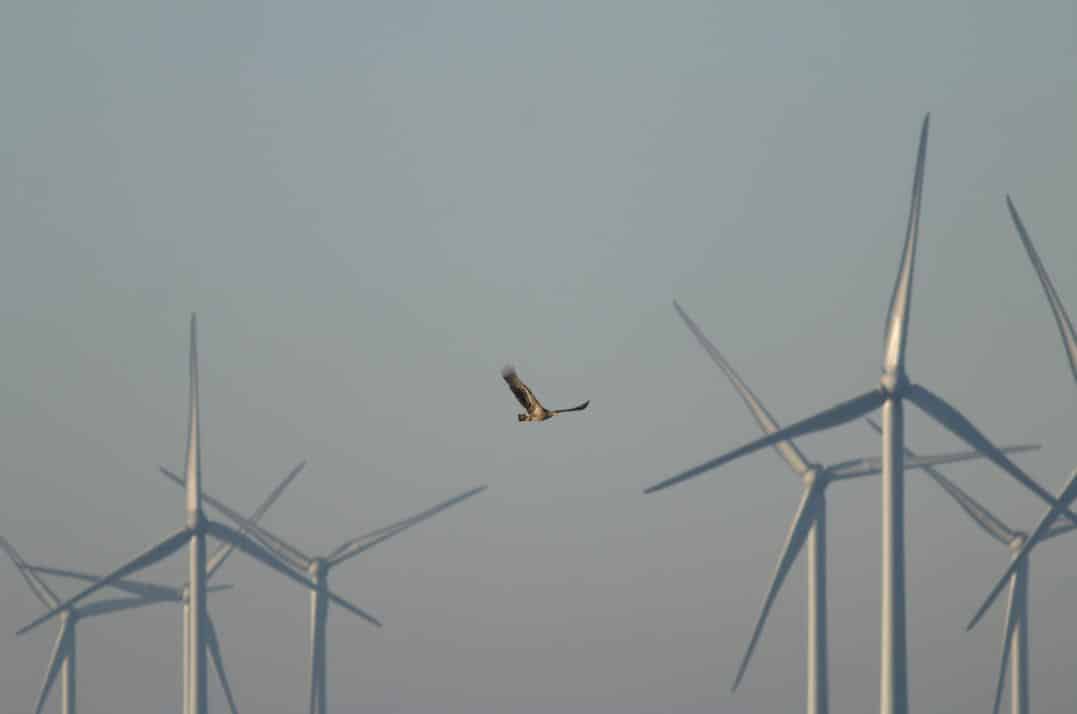


Dutch long duration storage developer Elestor has partnered with Windpark Zeewolde to deploy a hydrogen iron flow battery at the country’s largest onshore wind farm.
The project combines large scale wind generation with energy storage designed to deliver between 10 and 40 hours of discharge, reflecting growing industry efforts to address one of renewable energy’s most persistent operational challenges.
The collaboration will be implemented in phases, beginning with Elestor’s final precommercial hydrogen iron flow battery. The initial system will validate the technology under operating conditions at a utility scale before the partners move to a commercial production unit.
Once fully deployed, the installation is expected to provide up to 20 MW of power capacity and between 200 MWh and 800 MWh of energy storage, depending on the final configuration. The system will connect directly to Windpark Zeewolde’s electrical infrastructure, enabling excess wind generation to be stored during periods of high output and discharged when electricity demand increases or grid capacity becomes available.
The project targets a growing challenge across European electricity markets. Renewable generation continues expanding rapidly, but transmission infrastructure upgrades often lag behind new capacity additions. As a result, wind and solar projects increasingly face grid connection constraints and curtailment, reducing asset utilization and project revenues.
Unlike lithium ion batteries, which are primarily deployed for frequency regulation and short duration balancing over several hours, hydrogen iron flow batteries are designed for repeated cycling across much longer discharge periods. Storage durations of up to 40 hours allow operators to shift renewable electricity across multiple demand cycles, increasing operational flexibility during prolonged periods of high wind generation or weak electricity demand.
By integrating storage directly with an operating wind farm, the project seeks to reduce peak injections into the transmission network while making more efficient use of existing grid infrastructure. This approach may become increasingly valuable in regions where expanding transmission capacity requires lengthy permitting and significant capital investment.
Hydrogen iron chemistry targets lower material costs
Elestor’s technology differs from conventional electrochemical batteries by using hydrogen and iron as active materials. Both materials are widely available and relatively inexpensive compared with critical minerals commonly used in lithium ion battery production.
The company positions the chemistry as a scalable option for long duration applications where storage costs per kilowatt hour become more important than energy density. Because stationary grid storage does not face the same weight and volume constraints as electric vehicles, developers have increasingly explored alternative battery chemistries that prioritize lower lifetime costs and extended operating durations.
The Zeewolde project represents an important commercial validation for Elestor as it transitions from technology development toward utility scale deployment. Demonstrating performance under continuous operation at one of Europe’s largest wind farms will provide operational data on efficiency, cycling capability, and integration with renewable generation.
Windpark Zeewolde is already notable within the Dutch renewable energy sector because of its ownership structure. The wind farm is owned entirely by a local cooperative comprising more than 200 farmers, residents, and entrepreneurs, making it one of Europe’s largest community owned wind projects.
The addition of long duration energy storage reflects a broader evolution in renewable energy business models. Rather than functioning solely as electricity producers, wind and solar projects are increasingly incorporating storage, demand flexibility, and energy management capabilities to maximize asset value and improve grid integration.
For Windpark Zeewolde, integrating storage could enable greater utilization of renewable generation while reducing exposure to periods of low wholesale electricity prices that often coincide with high wind output. The ability to shift electricity delivery over periods ranging from 10 to 40 hours also creates opportunities to better align renewable production with market demand.
Add EnergyNews.biz as a preferred source on Google


