


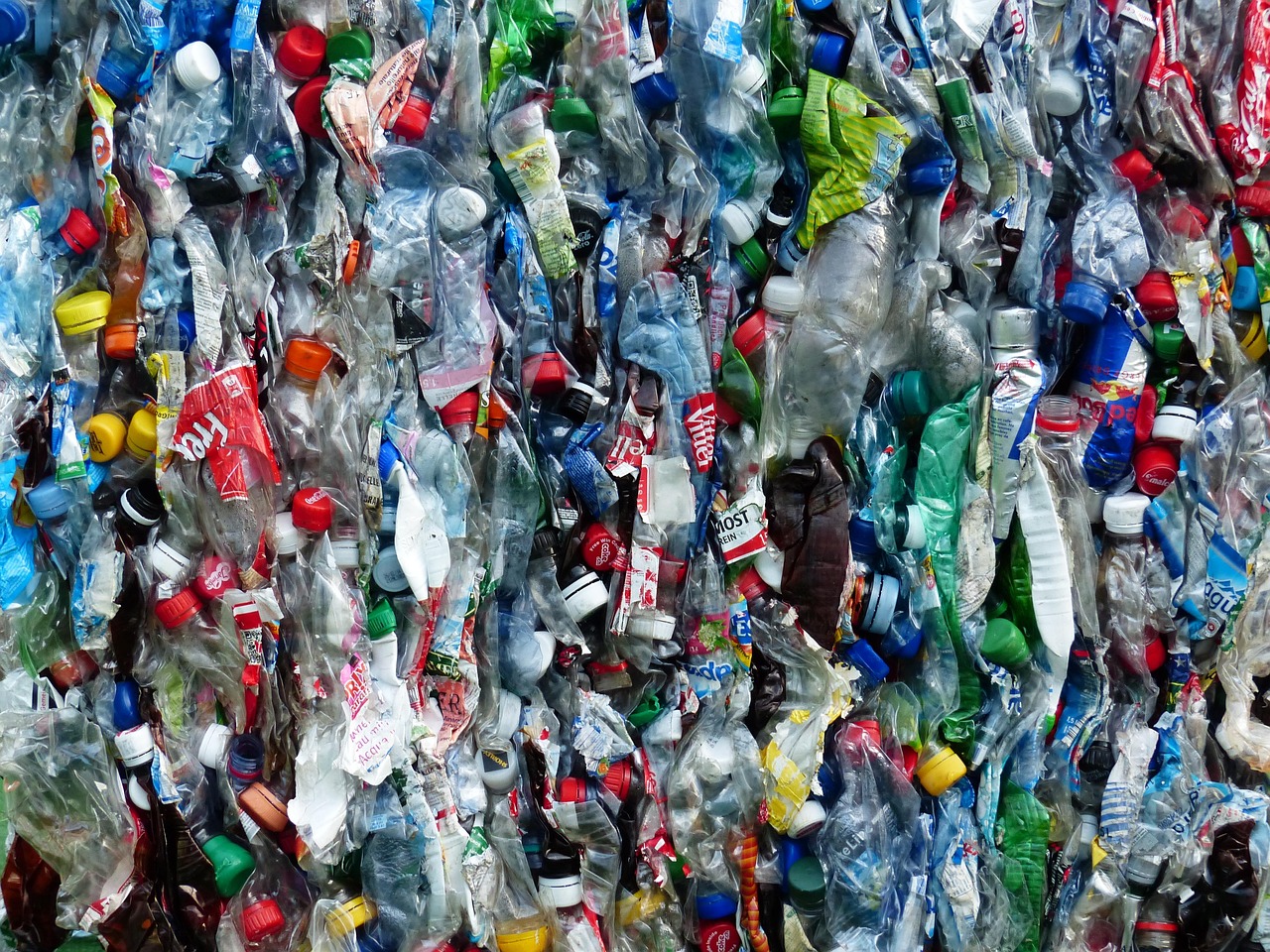


The Port of Antwerp Bruges has issued key permits for several large scale circular economy projects, including a €300 million plastic recycling facility, commercial food waste conversion, and tire recycling operations that collectively expand the port’s industrial decarbonization strategy.
The largest development is Synpet’s planned €300 million ($342 million) recycling plant, designed to process approximately 250,000 tonnes of mixed plastic waste annually. The feedstock consists primarily of plastic streams that are currently difficult or uneconomic to recycle through conventional mechanical processes and are therefore often directed to incineration or landfill.
Rather than producing recycled plastic directly, Synpet plans to use proprietary chemical recycling technology to convert mixed plastic waste into circular alternatives to naphtha and natural gas. These products could serve as feedstocks for petrochemical manufacturing, potentially reducing demand for virgin fossil resources while maintaining compatibility with existing industrial infrastructure.
The company secured environmental and building permits in early June 2026, removing a significant regulatory hurdle and allowing it to progress toward a final investment decision. While permitting represents a major milestone, chemical recycling projects across Europe continue to face commercial challenges related to feedstock quality, energy consumption, operating costs, and competition from lower priced virgin petrochemical products during periods of weak oil prices.
The Port of Antwerp Bruges has positioned circular manufacturing as a central pillar of its strategy to achieve climate neutrality by 2050. Unlike traditional industrial decarbonization efforts that focus primarily on renewable electricity or carbon capture, the port’s approach seeks to reduce emissions by keeping carbon containing materials within industrial value chains through recycling and resource recovery.
The NextGen District, developed as a dedicated industrial cluster for circular economy companies, is becoming a focal point for this strategy. TripleW has received an environmental permit to construct what is expected to become Europe’s first commercial scale facility producing circular lactic acid from food waste.
The plant will process up to 100,000 tonnes of mixed food waste annually and is scheduled to enter operation during the first half of 2029. TripleW already operates a demonstration facility at the port, where food waste is converted into lactic acid used in products including personal care and household cleaning formulations.
Scaling biological conversion technologies from demonstration to commercial production remains a significant hurdle across the bioeconomy sector. Commercial viability depends not only on process efficiency but also on securing reliable waste feedstocks, maintaining consistent product quality, and competing with conventionally produced chemical intermediates.
The port has also granted final approval for Bolder Industries to begin construction of its first European production facility. The American company specializes in recovering valuable materials from end of life tires using continuous thermal pyrolysis technology.
According to the company, the process can recover up to 98 percent of material contained within discarded tires. Once fully developed through two expansion phases, the facility is expected to process 86,000 tonnes of tires annually, equivalent to roughly six million discarded tires each year. Phase one alone is projected to create more than 50 regional jobs as construction and operations begin.
Waste tires remain one of the more challenging waste streams for industrial economies because of their complex composition and durability. Pyrolysis technologies aim to recover carbon black, steel, and hydrocarbon products that can reenter industrial supply chains, although market demand for recovered materials ultimately determines the long term economics of these facilities.


