




Bolzano, Italy’s own operating data puts its hydrogen buses at 1.27 euros per kilometer against 0.55 euros for battery-electric equivalents, more than double the cost per kilometer. That gap is consistent enough across European transit agencies that hydrogen fuel cell buses made up just 1.8% to 2% of new EU bus registrations in the first quarter of 2026, against a battery-electric share of 21.8% and climbing. Vilnius’s newly completed 10 million euro hydrogen production plant, built to fuel an initial fleet of 16 buses, is moving in the opposite direction from where most comparable European cities have already gone.
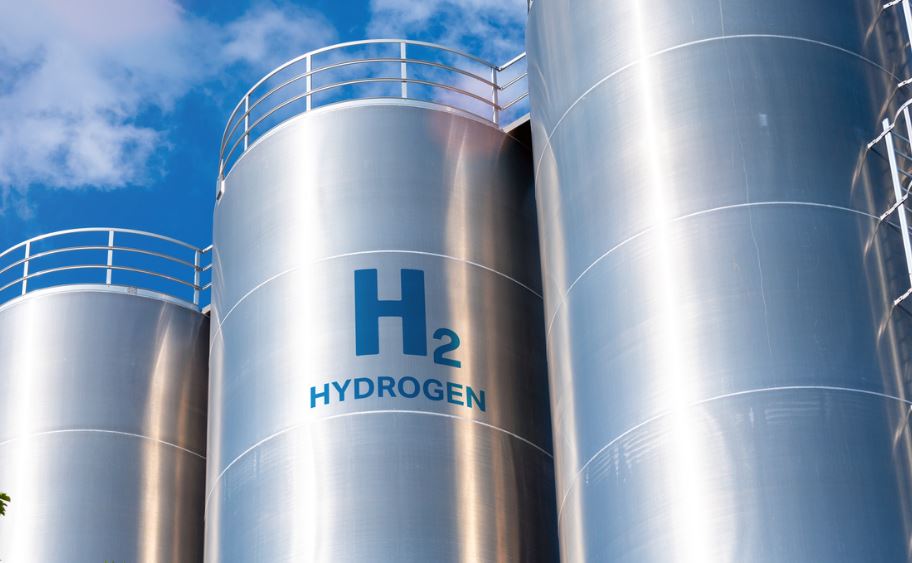
The plant, developed by municipal utility Miesto Gijos alongside Vilnius City Municipality at the site of the capital’s second heating plant, has completed construction and entered equipment testing ahead of production starting by the end of 2026. Of its 10 million euro cost, 5.64 million euros came from EU funding, with the municipal budget covering the remainder, a subsidy share of roughly 56% consistent with the pattern across nearly every hydrogen mobility project examined in Europe this year, where public funding rather than standalone commercial economics has been the primary enabler of new production and refueling infrastructure. The 3 megawatt facility is designed to produce up to 285,000 kilograms of green hydrogen annually at full capacity, enough for about 40 buses, with the first phase supplying 16 buses replacing diesel vehicles and avoiding an estimated 1,400 tonnes of CO2 annually. Those production figures are technically consistent with published fuel cell bus fuel consumption: 285,000 kilograms divided across 40 buses works out to roughly 19.5 kilograms per bus per day, in line with the 8 to 10 kilograms per 100 kilometers that fuel cell buses typically consume on urban duty cycles. The engineering behind the plant’s stated output holds up. The economic case for building it, measured against how comparable European cities have fared after adopting the same technology, is less settled.
Several transit agencies that made a similar initial commitment to hydrogen buses have since reversed course after several years of operational data. Brussels transit operator STIB ended its hydrogen bus pilot and shifted its decarbonization strategy decisively toward battery-electric vehicles, citing the benefit of existing grid infrastructure and a more stable cost profile. The French city of Pau transitioned to battery-electric buses for future acquisitions specifically because of the high costs and technical difficulties it encountered operating hydrogen vehicles. A joint hydrogen bus program between the German cities of Essen and Mülheim, launched in 2022 with 19 Solaris Urbino 12 Hydrogen buses backed by state funding, encountered what has been described as significant operational challenges. These are not early-stage concerns raised before deployment; they are conclusions transit agencies reached after operating hydrogen buses in real service and comparing the results to available alternatives.
The cost structure behind those reversals is well documented and consistent across multiple markets. Hydrogen buses typically cost between 1.0 million and 1.3 million dollars per unit before incentives in 2026, roughly double a comparable diesel bus and about 40% more than a battery-electric equivalent priced between 400,000 and 475,000 dollars. Fuel costs compound that gap: one industry cost analysis puts hydrogen fuel expenses at 70% higher than battery-electric charging costs per kilometer, with hydrogen priced between 10 and 14 euros per kilogram in markets like France once refueling infrastructure and distribution costs are included. Bolzano’s operational figures, 1.27 euros per kilometer for hydrogen against 0.55 euros for battery-electric, translate that fuel and vehicle cost gap directly into daily operating expense, a difference substantial enough that European Union-wide market data shows battery-electric buses now exceeding 60% market share among zero-emission bus sales across more than 20 European countries, while hydrogen’s EU market share has remained in the low single digits even as overall bus electrification has accelerated sharply, with battery-electric registrations up 36% in the first quarter of 2026 alone.
None of this means Vilnius’s plant is poorly engineered or that its stated production figures are implausible; they check out against known fuel cell bus consumption rates, and the project does create genuine new infrastructure, including the capital’s first publicly accessible hydrogen refueling point at the Virsuliskes depot, potentially serving commercial transport operators and private drivers beyond the municipal bus fleet it was designed around. What the comparative European record raises is a narrower but more consequential question: whether Vilnius’s 16 initial buses, and the additional vehicles the plant’s full 40-bus capacity anticipates, will encounter the same per-kilometer cost disadvantage against battery-electric alternatives that has already led transit agencies in Brussels, Pau, and the Ruhr region to scale back or abandon comparable hydrogen bus commitments after comparable initial investments. The 5.64 million euros of EU funding behind Vilnius’s plant follows the same subsidy-dependent pattern that supported those now-reversed programs, and the durability of that support, rather than the plant’s ability to produce hydrogen as specified, is likely to determine whether Vilnius’s hydrogen buses follow the trajectory its European counterparts have already charted or represent an exception to it.


