


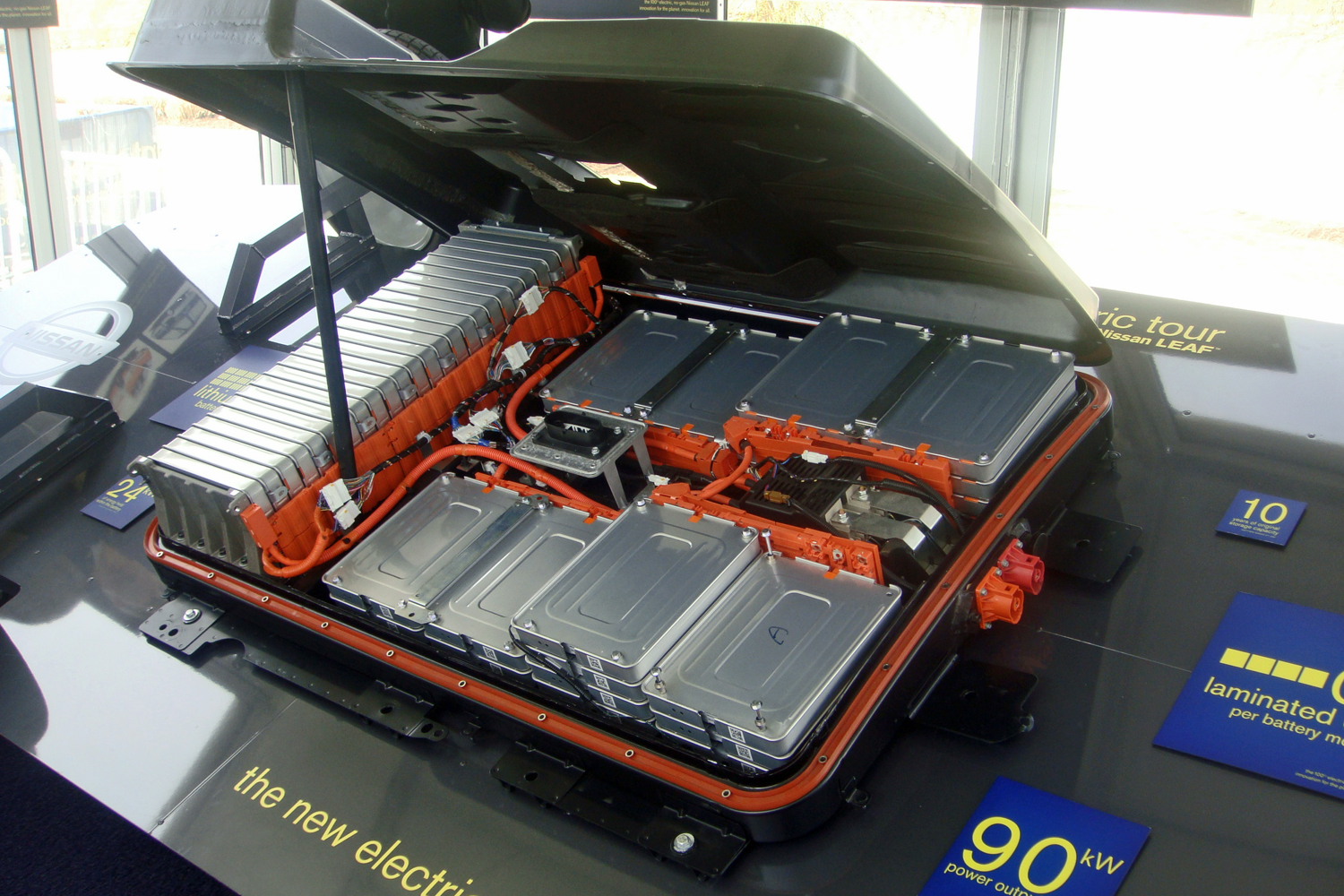


REEV thermal management gets a learning based upgrade in a new paper in the Journal of Energy Storage, where a global optimization guided generative adversarial imitation learning controller (GAIL) cut fuel consumption by 3.31% to 10.65% against rule based and reinforcement learning strategies for a range extended electric vehicle. The study went online on 21 October 2026 in volume 183 (DOI 10.1016/j.est.2026.125212).
How the REEV thermal management controller is trained
The method integrates energy management and thermal management in one multi objective problem that minimises fuel consumption and battery aging cost together. An offline dynamic programming run, which finds the global optimum when the whole drive cycle is known, produces an expert dataset. The GAIL agent then learns to imitate those decisions so that it can act in real time without knowing the route in advance.
What the results show
The abstract reports that the learned controller reaches 97.82% of the dynamic programming weighted total cost while remaining feasible for real time use. By our arithmetic that leaves a gap of 2.18% to the offline optimum. Compared with rule based and reinforcement learning strategies, fuel consumption falls by 3.31% to 10.65% and battery aging cost by 1.39% to 1.67%.
| Metric | Result reported |
|---|---|
| Weighted total cost versus dynamic programming | 97.82% of the dynamic programming result |
| Fuel consumption versus rule based and RL strategies | Reduced by 3.31% to 10.65% |
| Battery aging cost versus rule based and RL strategies | Reduced by 1.39% to 1.67% |
| Unseen real world driving cycle | Preliminary evidence of generalisation |
Why it matters for battery and thermal design
Battery temperature drives both aging and available power, which is why heating and cooling decisions sit inside the energy management problem. Our report on a pulsating heat pipe battery thermal management study showed how much a wide temperature range can change preheating time, and the same logic applies when a controller decides when to spend fuel to keep a pack in its preferred window. Heavy duty electrification is moving the same way, as in the CATL dual electric heavy truck battery order of 13,000 units.
The authors call the unseen driving cycle result preliminary evidence, and the abstract names neither the vehicle nor the size of the fuel saving in litres. The aging cost gain of 1.39% to 1.67% is small beside the fuel gain, so the practical case rests mainly on fuel use. Controllers of this type also need validation on hardware before they can be treated as production ready.
Add EnergyNews.biz as a preferred source on Google


