



Maryland opened applications on 26 October 2026 for Megawatts for Maryland, a competitive grant auction that can award up to $200 million over two fiscal years to grid scale renewable generation and energy storage projects. The first deadline is 30 November, and the only stated way to win is the lowest price per megawatt hour.
One price decides the award
The Maryland Energy Administration (MEA) runs the programme under the Utility RELIEF Act of 2026. It is a closed bid auction in two stages. In Stage 1 a developer submits a preliminary application and MEA says whether it may proceed. In Stage 2 approved applicants submit a final bid price and supporting documents. Grants go to eligible bidders asking for the lowest price per megawatt hour, and the programme page names no other award criterion.
Eligible activity covers Tier 1 renewable generation that does not use net energy metering, energy storage co-located with such generation, stand-alone storage, and hybrid projects. The applicant must be the business that signs the grant agreement, and it can meet the minimum eligibility alone or with project sponsors who hold equity.
Megawatts for Maryland is built to pick projects on price, which favours developers that are already far along. Officials say bidders must have completed initial development steps, such as acquiring the property and applying to the Maryland Public Service Commission or the regional grid operator. Applications go through the My MEA portal, which lists Megawatts for Maryland as open to new applications, and the grant offsets a portion of project cost rather than funding a project in full. In short, Megawatts for Maryland rewards low bids from projects that are ready to build.
Dates from 4 November to spring 2027
| Date | Step |
|---|---|
| 26 October 2026 | Funding Opportunity Announcement issued |
| 4 November 2026, 2 pm | Webinar, registration required |
| 30 November 2026 | Stage 1 applications due |
| 22 January 2027 | Stage 2 bids due |
| Spring 2027 | Award or non-award notices expected |
Officials have also said developers must show they notified a local elected official at the first stage and file community engagement and community benefit plans by January, according to press reporting of the launch. The programme page lists price as the only award criterion, so how those plans count is not stated.
$100 million a year from a fund with other claims
MEA anticipates up to $100 million for fiscal year 2027 and a further $100 million for fiscal year 2028. The money comes from the Strategic Energy Investment Fund, which is fed by alternative compliance payments that electricity suppliers make instead of meeting state renewable portfolio requirements. The fund has also been used to help balance the state budget, which drew criticism from climate groups and from opponents of the fund, so the second $100 million rests on a future appropriation described only as anticipated.
Replacing federal credits only in part
State officials describe the programme as a partial answer to federal investment tax credits that were cancelled by the Trump administration. MEA Director Kelly Speakes-Backman said it will not necessarily replace those credits in full and that it will not change customer bills tomorrow. Officials expect several hundred megawatts, which they put at enough to power about 150,000 homes a year. That is an agency estimate, not a figure in the grant rules.
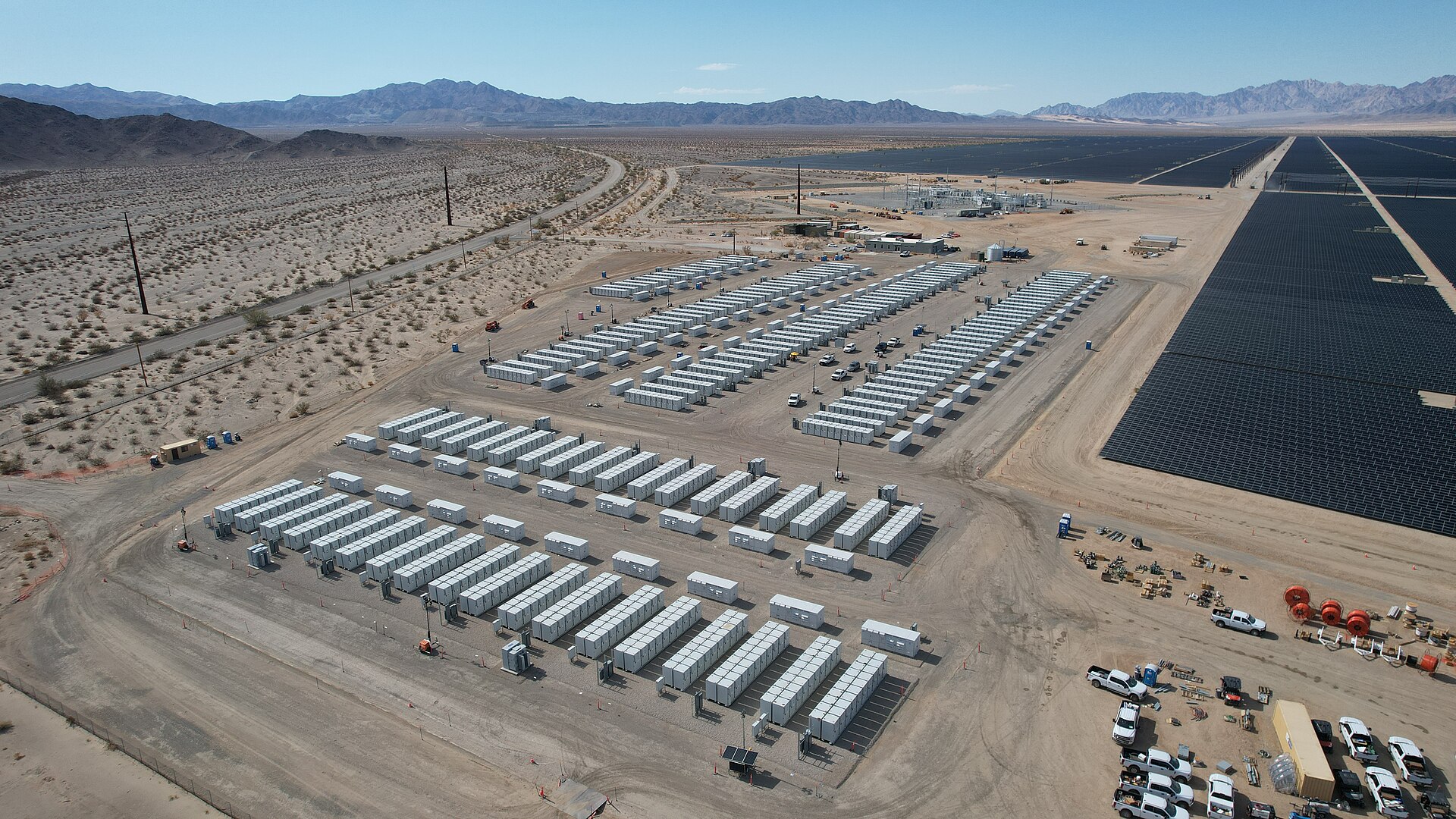
The programme arrives as US storage capacity is forecast to quadruple by 2031, with policy shifts reshaping where projects get built.
What the programme page leaves open
The Megawatts for Maryland page does not state a cap per project, the share of project cost a grant may cover, or a deadline to reach operation. Officials have described a seven year window from award to come online in press reporting, but that term is not on the page. The next dated decision is 30 November, when Stage 1 applications close and MEA begins confirming eligibility.
Add EnergyNews.biz as a preferred source on Google


