



ULEMCo has converted a Fendt into a hydrogen tractor, the first hydrogen dual fuel conversion of its kind on a Fendt and the UK company’s first sale in the Netherlands. The machine will work on arable land on the Dutch island of Goeree-Overflakkee, where its real fuel use will be measured over the coming seasons.
How the hydrogen tractor works
The conversion keeps the diesel engine and adds hydrogen to the combustion process. Hydrogen can supply up to 40% of the fuel input, which in principle cuts diesel use by a similar share. On the expected operating profile, the partners estimate a reduction of up to 10,000 kg of CO2 a year.
The project started as an idea in 2018, when local crop grower Van den Hoek began looking at hydrogen for farm machinery under the Regio Deal programme for Goeree-Overflakkee. After several years of technical work, a new Fendt was chosen and converted in the Netherlands together with Steenbergen Mechanisatie, the regional Fendt dealer. That local delivery matters: customers can have the hydrogen tractor installed and serviced through a dealer they already know, rather than shipping machines abroad.
Why a hydrogen tractor matters for farms
Diesel is one of the largest variable costs on an arable farm, and its price follows international markets and geopolitical shocks that farmers cannot control. Dual fuel conversion does not remove that exposure, but it reduces it without waiting for a new generation of fully hydrogen or battery tractors, which are still rare in heavy field work.
The bigger idea is energy independence. Farms that already produce solar or other renewable power could make hydrogen on site and use it in their own machinery. Whether that pays off depends on electrolyser costs, local power prices, storage and how many hours the machines run each year, which is why the measured data from this hydrogen tractor will be more useful than any forecast.
“This project is an important step for ULEMCo as we expand our hydrogen dual-fuel technology into European markets and demonstrate its potential in the agricultural sector,” said Amanda Lyne, Managing Director of ULEMCo. She added that the company will gather operational data to show the actual diesel savings and CO2 reductions, and that farms could combine renewable power with on-site hydrogen production.
A Benelux entry with a local partner
ULEMCo is entering the Benelux market with Hydrogen Connect. “We are excited to have achieved this first sale of ULEMCo’s technology in the Netherlands, which we hope will be first of many across the Benelux countries,” said Sierk Coolsma, Managing Director of Hydrogen Connect.
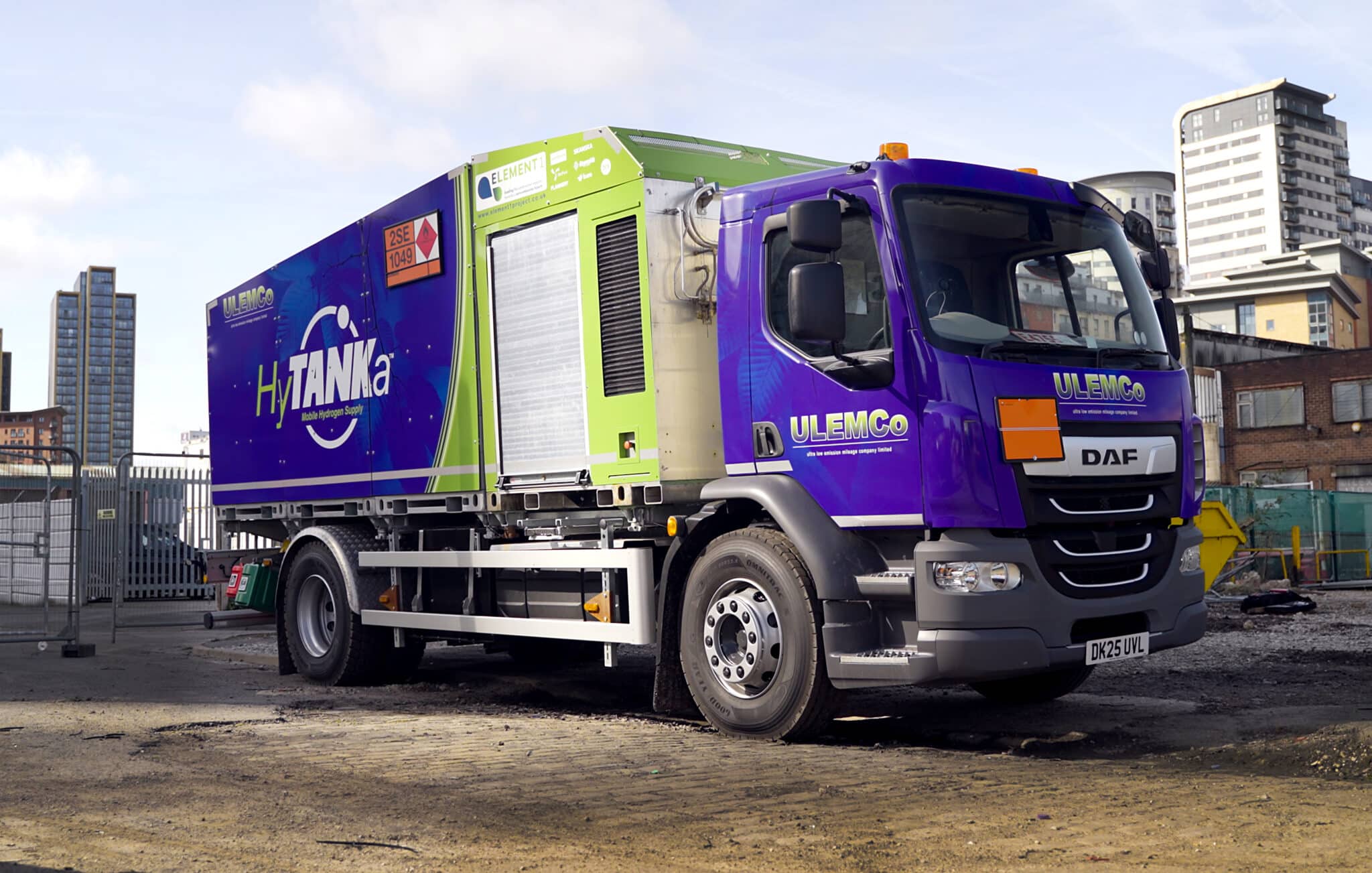
The conversion extends a strategy EnergyNews.biz has followed for several years: upgrading existing diesel fleets instead of replacing them. ULEMCo has applied the same approach to construction plant with Skanska, raised £5 million to push hydrogen into heavy duty vehicles, and backed mobile refuelling for construction sites. Agriculture is a natural next market, because many farms run a small number of high-hour machines from one yard, which makes refuelling simpler than for road fleets.
What to watch next
The key number is the real hydrogen share across a full farming year, not the 40% ceiling. Ploughing, drilling and transport work load the engine very differently, so the average will tell farmers more than a peak figure. If field data confirms meaningful diesel savings at a workable hydrogen cost, the dual fuel hydrogen tractor could become a practical bridge for farms with their own renewable power, and a template for other machinery brands across the Benelux and beyond.
Add EnergyNews.biz as a preferred source on Google


