


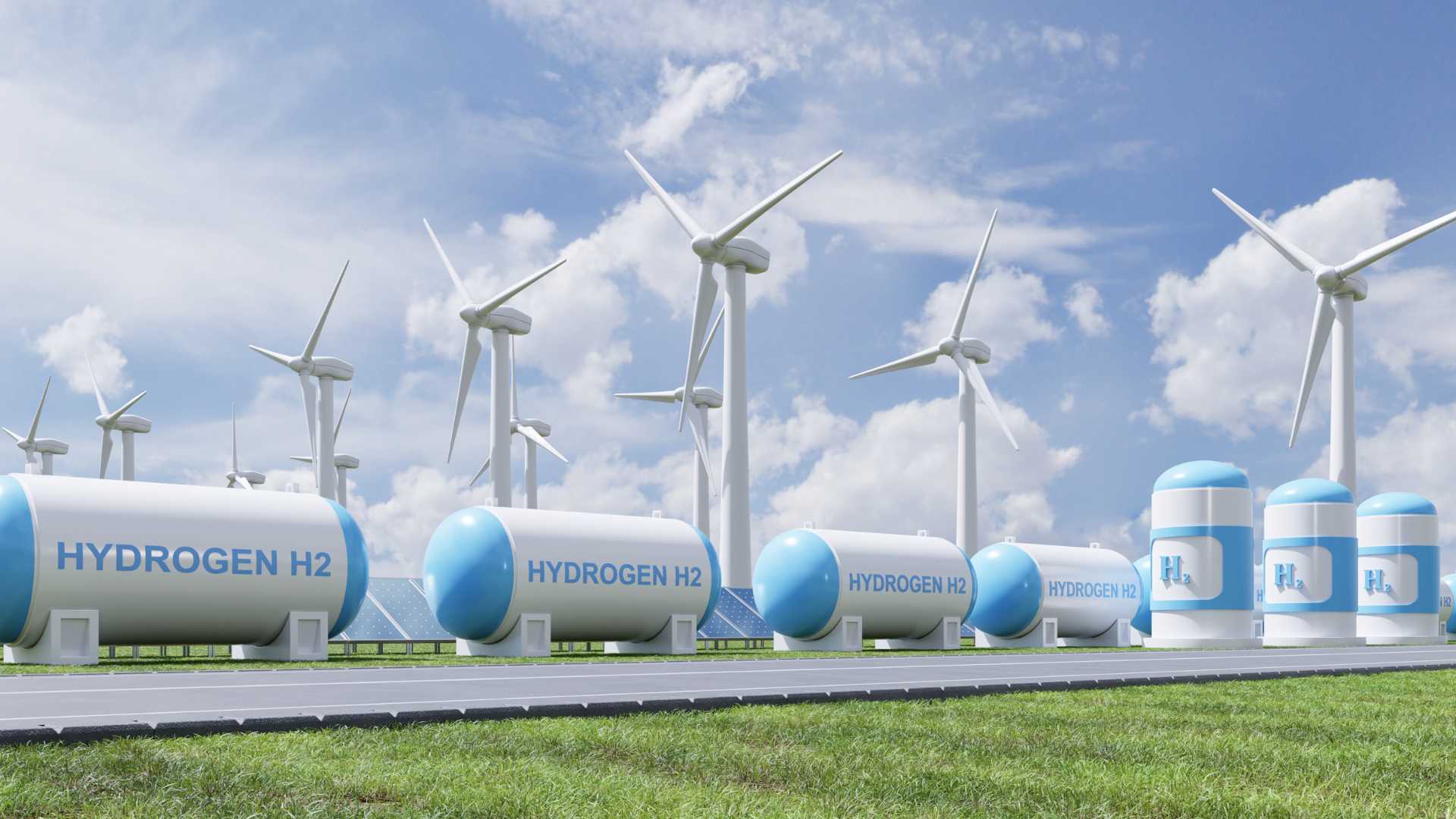


This research is essential given Iran’s untapped renewable energy resources and the ongoing dependence on fossil fuels. By integrating techno-economic analysis with multi-criteria decision-making methods, the researchers identify optimal sites and technologies for wind-to-hydrogen systems.
The study focuses on urban areas in Ardabil province, known for its poor air quality, to evaluate the feasibility of harnessing wind energy for hydrogen production. Using the Weibull probability distribution function, the researchers estimated wind power density and potential hydrogen output. These figures were combined with economic and environmental assessments to select suitable sites for wind-hydrogen projects.
A significant part of the study was dedicated to identifying the best site for establishing a wind-hydrogen production facility. The researchers employed the SWARA/WASPAS method, a multi-criteria decision-making tool, to analyze various candidate locations. Gardaneh-Almas emerged as the leading site, boasting a wind power density of 1252 W/m2 and an estimated hydrogen output of 97 tons per year.
After examining 16 conventional wind turbines, the Gamesa G80, with a capacity of 2 GW, was found to be the most suitable for the project. Additionally, the study provides economic insights, estimating the Levelized Cost of Energy (LCOE) and Levelized Cost of Hydrogen (LCOH) for the chosen site. The LCOE was calculated at 0.047 $/kWh, and the LCOH at 4.6 $/kg-H2, highlighting the economic viability of the project.
The researchers validated their wind model against meteorological data using the Weibull model. This approach allowed for accurate estimations of power and hydrogen outputs. By considering various environmental and economic factors, the study ensures a holistic evaluation of wind energy’s potential for hydrogen production in the region.
Add EnergyNews.biz as a preferred source on Google


