


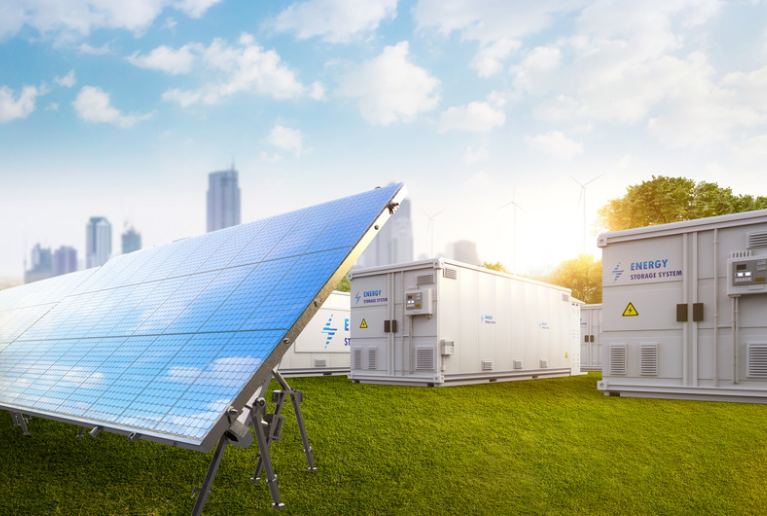

Uzbekistan has taken a significant step toward modernizing its power sector with the commercial start of a 501-megawatt-hour battery energy storage system at ACWA Power’s Riverside Solar project, according to a filing on the Saudi stock exchange.
The integrated renewable energy complex in the Tashkent region combines a 200-megawatt solar photovoltaic plant with the newly operational high-capacity battery facility, creating a flexible and reliable clean energy supply for the national grid.
The Riverside Solar project addresses one of the central challenges of renewable energy integration: intermittency. Solar output fluctuates with sunlight availability, creating potential gaps in electricity supply. By storing excess energy during peak generation hours and releasing it when demand rises or sunlight wanes, the 501 MWh BESS mitigates these fluctuations and strengthens grid reliability. Coordinated with Uzbekistan’s National Electric Grid, the system ensures adherence to local grid standards while supporting energy sector modernization.
ACWA Power, holding full ownership of the project company, highlights the technical sophistication of combining large-scale photovoltaic generation with utility-scale energy storage. Analysts note that such integrated systems are essential for countries like Uzbekistan, which are rapidly expanding renewable capacity but remain dependent on fossil fuels for baseline electricity. With storage, the solar plant can effectively function as a dispatchable resource, smoothing energy supply and reducing the risk of power disruptions.
The deployment also signals a strategic approach to energy transition in emerging markets, where infrastructure gaps and grid limitations can hinder renewable adoption. The Riverside Solar project exemplifies how large-scale battery storage can complement solar generation to maintain energy security, optimize load management, and enable higher penetration of clean energy.


