





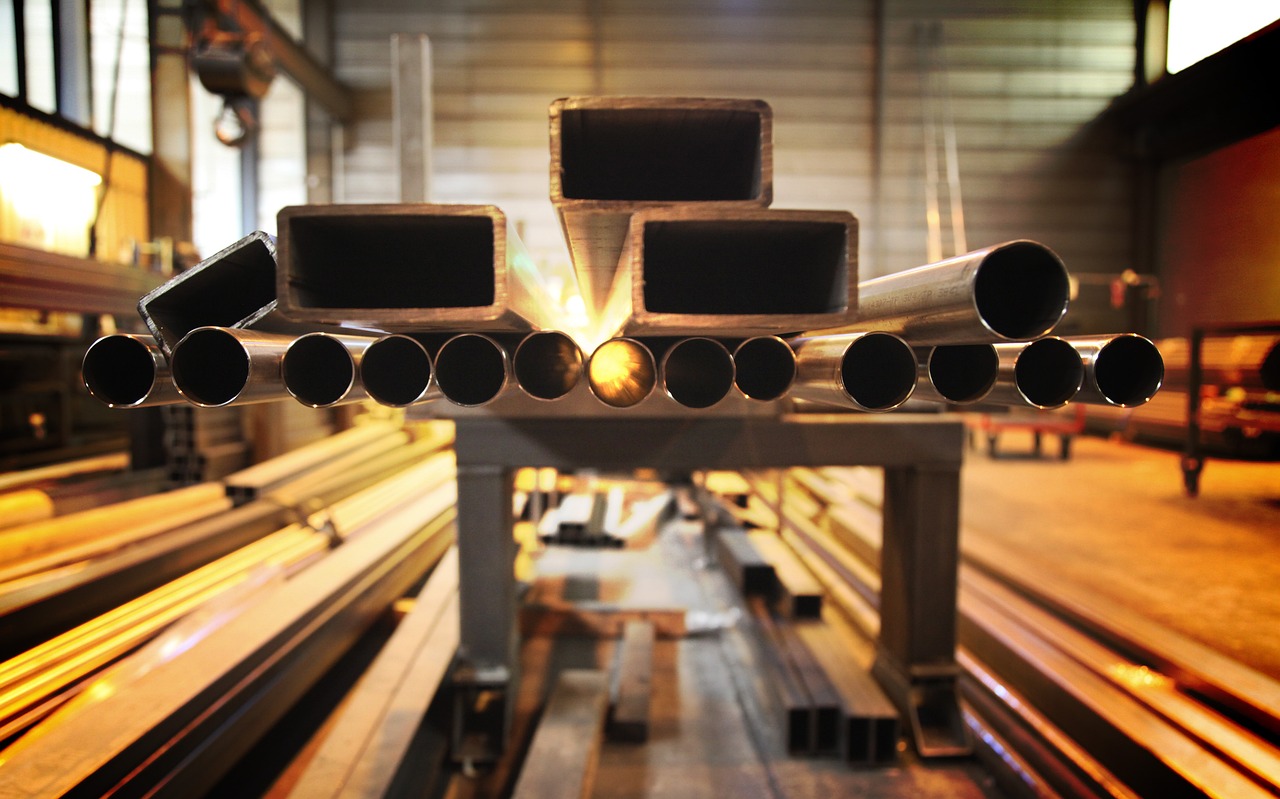
Corinth Pipeworks and ArcelorMittal are positioning recycled and renewably powered steel as a lower emission input for energy pipeline manufacturing, with reported emissions reductions of about 65 percent compared to conventional blast furnace routes.
The collaboration, presented at the Tube trade fair in Düsseldorf, centers on ArcelorMittal’s XCarb® product line, which is produced through electric arc furnace technology. According to the companies, the material uses a minimum of 75 percent scrap steel and is manufactured with electricity sourced entirely from renewable generation. The combination is presented as a pathway to reduce embedded carbon in energy infrastructure, particularly for pipelines serving natural gas and emerging hydrogen transport systems.
XCarb steel is positioned as a response to tightening emissions disclosure requirements, particularly Scope 3 reporting, which increasingly captures emissions embedded in purchased materials. For pipeline operators and energy majors, steel procurement is often one of the largest upstream emissions contributors, making material selection a material lever in decarbonization accounting rather than a marginal procurement consideration.
However, the claimed 65 percent reduction figure warrants technical scrutiny. Electric arc furnace production is typically less carbon intensive than blast furnace steelmaking, but emissions outcomes depend heavily on scrap quality, electricity grid composition, and transport logistics. While the use of renewable electricity is central to the XCarb® claim, lifecycle emissions accounting standards vary in how they allocate renewable certificates, raising questions about comparability across suppliers and regions.
The reliance on a minimum 75 percent scrap input also introduces structural constraints. Global scrap availability is uneven and influenced by regional steel consumption cycles, meaning scaling low carbon steel production may face feedstock limitations if demand accelerates across infrastructure sectors simultaneously. This constraint is particularly relevant for pipeline steel, which requires consistent metallurgical properties and strict mechanical performance standards.
ArcelorMittal and Corinth Pipeworks are targeting infrastructure applications where material reliability is non negotiable, including energy transmission pipelines that may be adapted for hydrogen blending or dedicated hydrogen transport. Hydrogen service introduces additional engineering stress factors such as embrittlement risk, which places further emphasis on steel composition control and manufacturing consistency beyond carbon intensity metrics alone.
Corinth Pipeworks integrates these materials into pipe production aimed at conventional energy systems as well as hydrogen ready infrastructure. This dual application reflects a transitional market reality where pipeline networks are expected to serve both fossil based and low carbon energy streams over overlapping decades rather than through a clean system replacement.
From an industrial decarbonization perspective, the partnership highlights a broader shift toward embedding emissions reductions within upstream materials rather than only focusing on operational energy use. Yet this also shifts scrutiny to certification frameworks, particularly how renewable electricity use is verified and how scrap content is audited across supply chains that are often globally fragmented.
For energy infrastructure developers, the proposition is not solely about emissions reduction claims but about procurement risk management. Steel supply consistency, compliance with evolving EU carbon border adjustment mechanisms, and lifecycle emissions reporting requirements are becoming as influential as cost per tonne. In this context, low carbon steel offerings function as both a material input and a compliance instrument within increasingly regulated infrastructure investment decisions.