






Borealis and Borouge have entered a partnership aimed at building a fully integrated circular waste management and polyolefin recycling system in Indonesia, a market where circularity ambitions have repeatedly collided with infrastructure, cost, and governance constraints.
The collaboration also includes Indonesian waste management firms Pelita Mekar Semesta and Reciki Solusi Indonesia, alongside the Subnational Climate Fund, which is financing an initial feasibility study through its technical assistance facility. The structure reflects a growing trend in emerging markets, where upstream polymer producers are pairing capital and technology with local operators that understand fragmented collection systems and informal waste economies.
The stated objective is to create a closed loop system that connects waste collection, sorting, and recycling with the production of recycled polyolefins suitable for commercial applications. Borealis and Borouge are contributing proprietary recycling and polymer processing technologies, positioning the project as a test case for whether high quality recycled polyolefins can be produced consistently in a market dominated by low value mechanical recycling and limited quality control.
Indonesia’s recycling rate for plastics remains well below that of OECD economies, constrained by weak source separation, limited access to formal collection, and price volatility for recycled feedstocks. Academic research from the United Kingdom has shown that convenience and economic barriers, rather than lack of environmental awareness, are among the main obstacles to circular packaging adoption in Indonesia. The study argues that without regulatory alignment and demand side incentives, recycling investments struggle to scale beyond pilot phases.
The involvement of local companies is intended to address these structural gaps. Pelita Mekar Semesta and Reciki Solusi Indonesia bring operational experience in waste collection and aggregation, including engagement with informal waste pickers who play a critical role in Indonesia’s recycling ecosystem. Their role highlights a key risk factor for circular projects in the region: without integration of informal systems, material supply volumes and quality remain unpredictable.
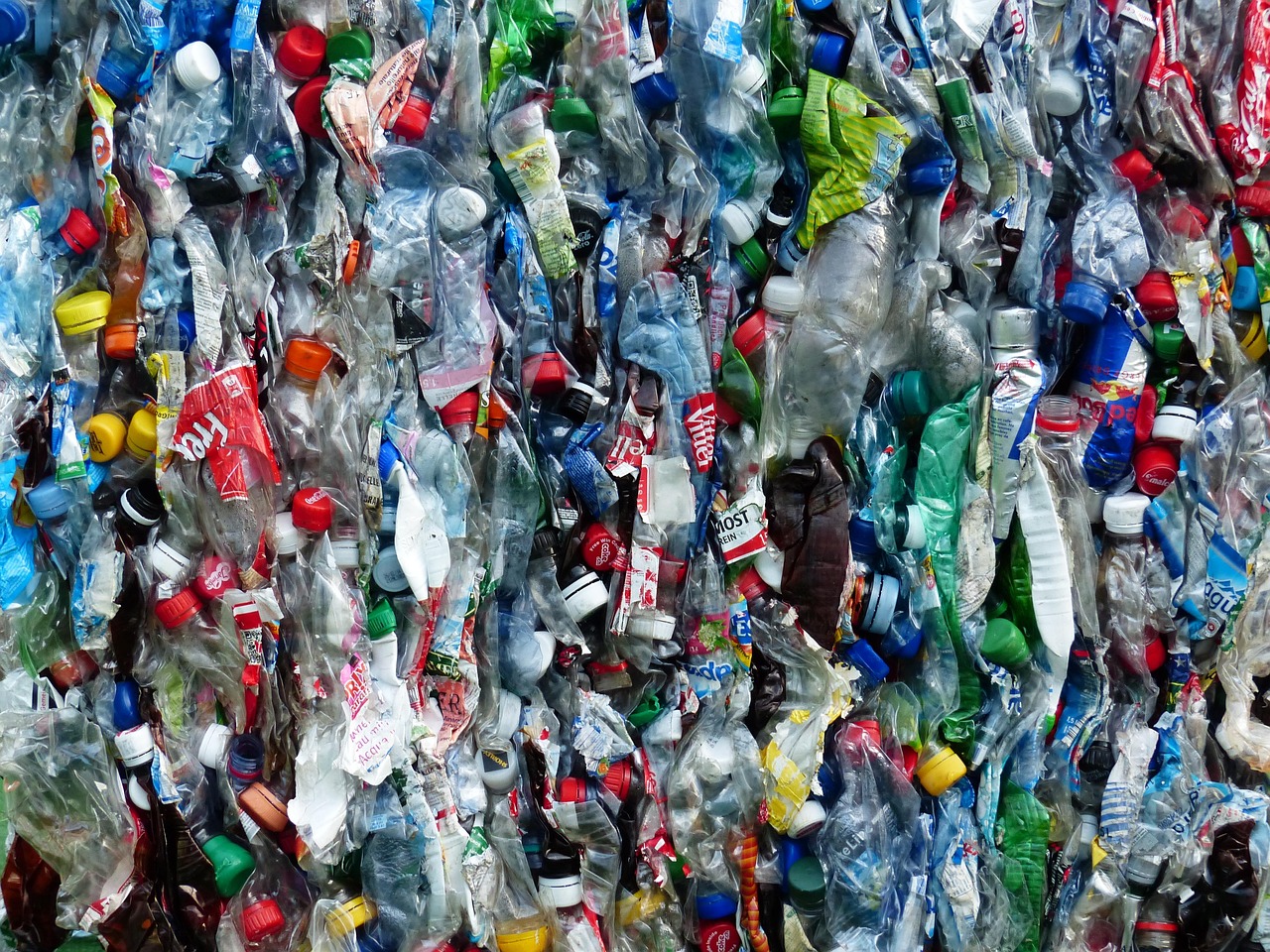
The partnership also aims to convert mixed plastic waste into recycling grade feedstock, a technical challenge given contamination rates and polymer diversity in post consumer waste streams. Advanced sorting and upgrading technologies can improve yields, but they also increase capital and operating costs, raising questions about long term economic viability without policy support or guaranteed offtake for recycled materials.
This initiative aligns with Borealis’ broader circular economy strategy. The company recently committed €49 million to expand production of Borstar Nextension polypropylene at its Burghausen site in Germany, targeting applications with higher recycled content. It is also involved in Project Electro, an EU funded effort focused on electrified, energy efficient recycling processes for low quality waste. These parallel investments suggest a dual track approach, advancing advanced recycling in both mature and emerging markets.
In Indonesia, the project is expected to coordinate with Project Stop, an initiative co founded by Borealis that works with local governments to reduce ocean plastic leakage. While Project Stop has demonstrated improvements in collection coverage at the municipal level, scaling such systems nationally has proven difficult due to funding and governance limitations.