


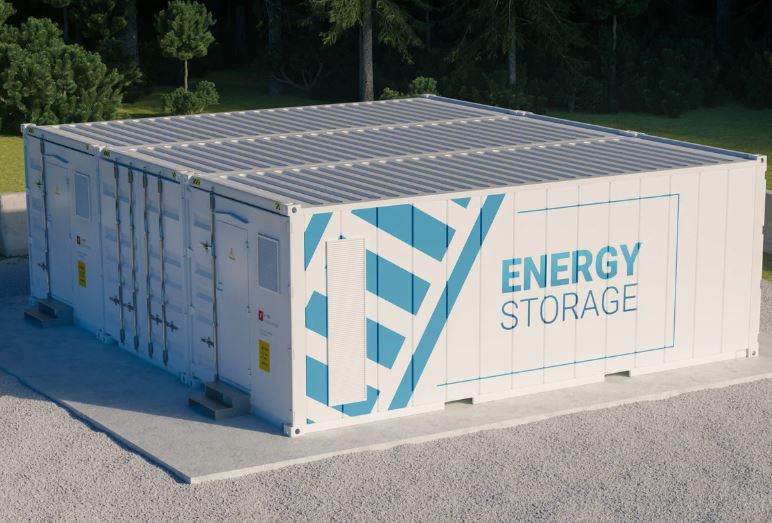

Clifton Park, New York, has formally banned battery energy storage projects within the town, closing the door on future installations and signaling a growing tension between local safety concerns and state-level renewable energy ambitions.
The decision follows two public hearings where residents, engineers, and fire officials voiced strong opposition to the technology, citing unresolved safety risks and environmental hazards.
During the hearings, fire chiefs detailed the challenges of managing fires involving lithium-ion battery systems. Tim Kimball, Chief of the Vischer Ferry Volunteer Fire Company, emphasized the limited capacity of local firefighters to control such incidents. “If really you think that it’s a good idea to put these systems in our town, I invite you when it does catch on fire to show up with me and all of our folks, put an air pack on and try and fight that fire,” Kimball said, highlighting that fires involving energy storage units require prolonged on-site response and can produce toxic smoke that may necessitate evacuations over miles.
Public concern was reinforced by precedent incidents, notably a December 19, 2025 fire at a battery storage facility in Warwick, New York. According to Mayor Michael Newhard, the fire, likely caused by moisture infiltration, was allowed to burn under controlled monitoring to manage air, water, and soil contamination. Warwick had previously experienced a similar 2023 incident, prompting regulatory updates which the facility allegedly did not fully comply with. These cases underline the technical and environmental complexities associated with large-scale energy storage.
Clifton Park’s Town Council, referencing these incidents and the broader safety concerns, moved from a prior moratorium to a full ban, citing the need for more research into the environmental and operational risks before permitting such projects locally. Council members emphasized that without comprehensive evidence of safe deployment, the town cannot endorse battery storage systems.
The move comes amid broader regulatory debates at the state level. Proposed legislation in the New York State Assembly and Senate would grant the Office of Renewable Energy Siting and Electric Transmission authority over siting decisions for energy storage projects. If enacted, the bill would limit local municipalities’ ability to regulate these facilities, potentially overriding community-level bans like Clifton Park’s.
Clifton Park is not alone in expressing caution. Across the U.S., several municipalities have paused or restricted energy storage projects, particularly in residential and semi-urban areas, citing fire hazards and environmental risks.


