


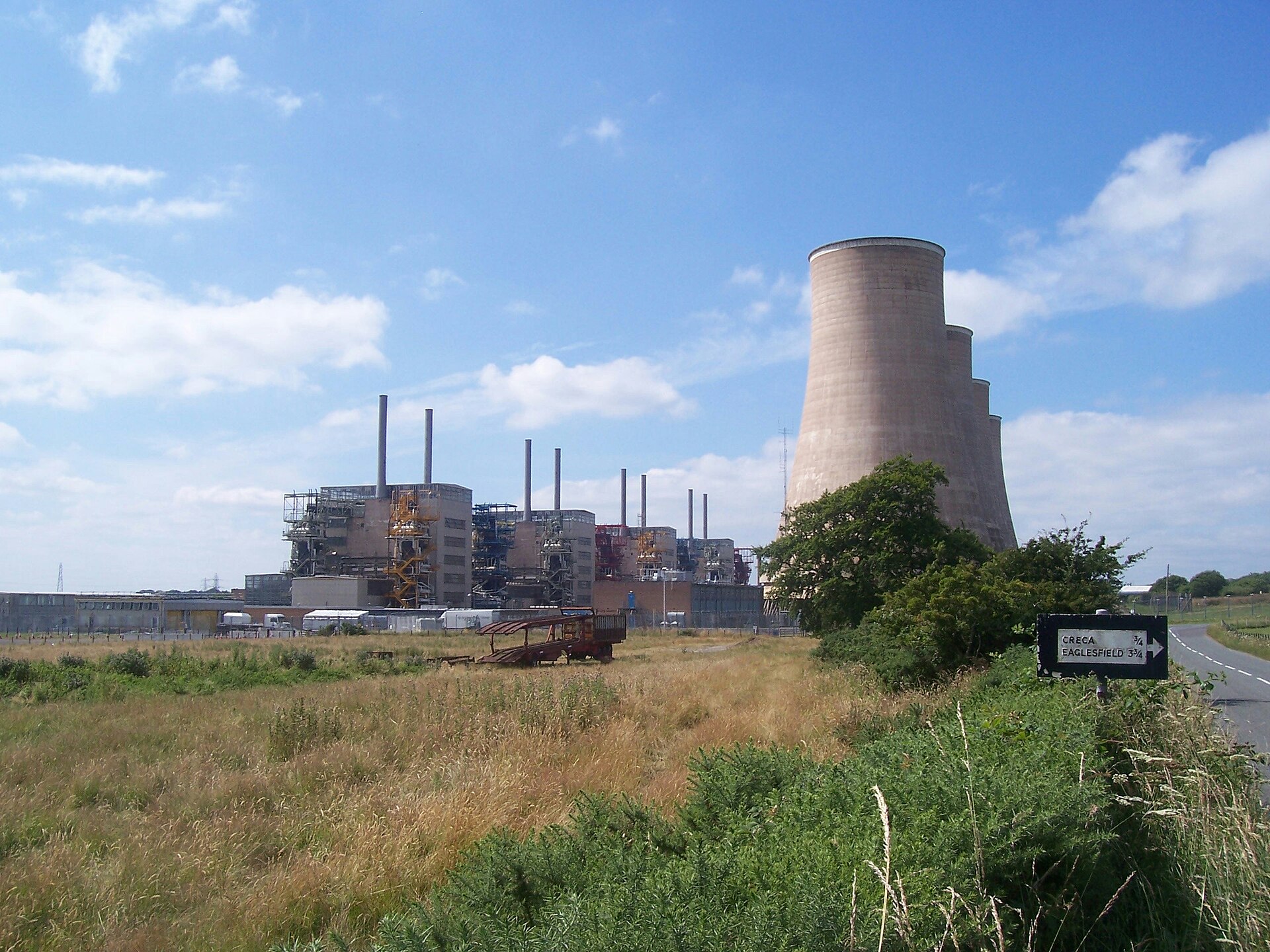


Plans for a green hydrogen plant at the site of the former Chapelcross nuclear power station in southern Scotland have been approved, according to the developer Green Cat Hydrogen, as reported by the BBC. The Creca hydrogen facility is a 50 MW electrolysis plant on a 4.1 hectare site next to the decommissioned station near Annan in Dumfries and Galloway.
Dumfries and Galloway Council’s planning committee backed the project subject to a legal agreement and planning conditions. Green Cat Hydrogen says the Creca hydrogen plant will create 50 skilled jobs once operating and about 150 during construction.
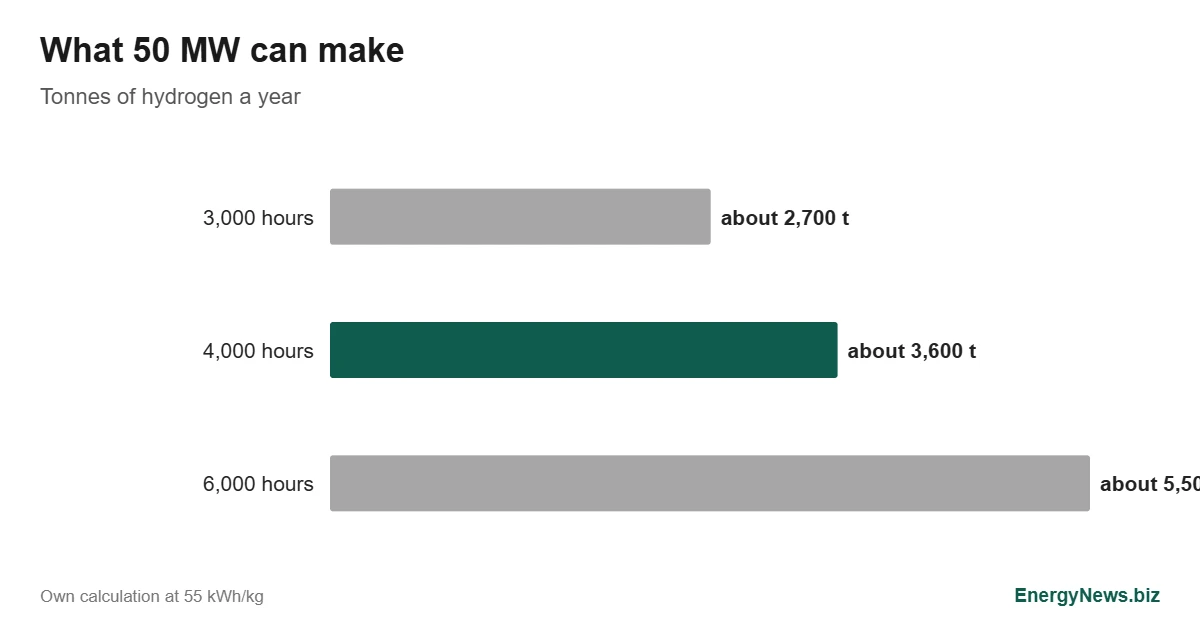
Creca hydrogen output
A 50 MW electrolyser running 4,000 hours a year at around 55 kWh per kilogram would make about 3,600 tonnes of hydrogen a year. With more hours, for example 6,000 using a mix of wind and grid power, output could reach about 5,500 tonnes. Typical uses in the region would include heavy transport, industrial heat and distilleries, which are large energy users in Scotland.
Local demand is important because moving hydrogen is expensive. A plant of this size usually sells to customers within trucking distance, so the success of the Creca hydrogen project will depend on signing users in south-west Scotland and northern England.
The project was shortlisted in the UK government’s second Hydrogen Allocation Round (HAR2), which offers long-term contracts that pay the difference between the cost of low-carbon hydrogen and the price of natural gas. A HAR2 contract would be the main route to financing the plant.
A crowded former nuclear site
Chapelcross was one of the UK’s first nuclear power stations and closed in 2004. In 2024, a plan was unveiled to turn the area into a green energy hub, backed by funding from the Scottish and UK governments. The Nuclear Decommissioning Authority has since chosen CX Power as strategic developer for a masterplan that includes hydrogen production, advanced manufacturing and a data centre campus of up to 1 GW.
The Creca hydrogen plan is separate from a proposed £16.5 billion data centre at Chapelcross, which has drawn a record number of representations to the council. Both hydrogen production and data centres need large amounts of electricity. They can work together if hydrogen is used to store surplus renewable power, but they will also compete for grid capacity at a site whose main asset is its existing high-voltage connection.
UK hydrogen context
The UK’s hydrogen strategy relies on allocation rounds to build early projects at a scale of tens of megawatts each. Many HAR1 projects have faced delays as costs rose. Across Europe, electrolyser makers have also struggled with losses on first large projects, as seen in thyssenkrupp nucera’s results. Projects that combine planning consent, a grid connection and a support contract are the ones most likely to reach construction.
Scotland has strong wind resources but limited grid capacity to send power south, which often leads to curtailment. Electrolysers placed in the south of Scotland can use some of that power locally instead of paying wind farms to stop producing.
What it means for the region
For Dumfries and Galloway, the Creca hydrogen project would bring new industrial activity to an area that lost jobs when Chapelcross closed. Local businesses that use diesel or gas could become early customers if the price is right, and the jobs would add to work from decommissioning at the old station.
What to watch
The next decision is the HAR2 contract award. If Green Cat Hydrogen secures a contract, the Creca hydrogen plant could move to a final investment decision. Without it, planning consent alone is unlikely to be enough to finance a 50 MW electrolyser in today’s market.
Add EnergyNews.biz as a preferred source on Google


