





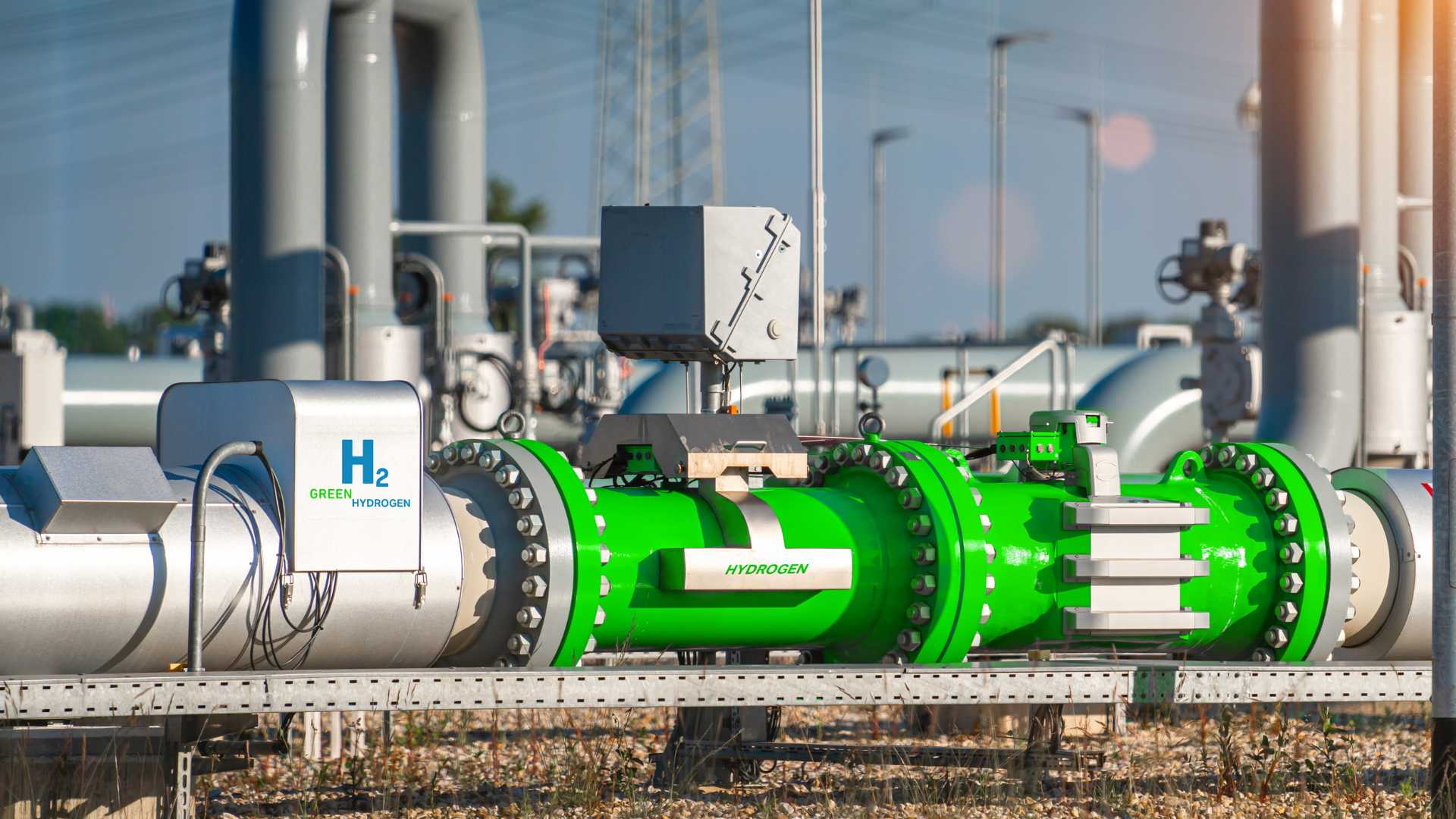
Energinet has awarded a five-year Engineering, Procurement and Construction Management contract to Worley for Phase 1 of the Danish Hydrogen Backbone pipeline.
The award signals that Denmark’s hydrogen ambitions are entering a capital intensive phase where delivery timelines, system integration, and cross border compatibility matter more than headline capacity targets.
The Danish Hydrogen Backbone is positioned as a core element of Denmark’s long term energy transition, intended to connect large scale green hydrogen production from offshore and onshore wind and solar to domestic consumers and export markets. In practice, the project’s first phase focuses on approximately 41 kilometers of new hydrogen pipeline combined with the repurposing of around 89 kilometers of existing natural gas infrastructure. This hybrid approach reflects a broader European trend of attempting to limit capital costs by reusing gas assets, while raising persistent technical questions around material integrity, safety standards, and long term operability under hydrogen service.
Under the EPCM scope, Worley will oversee engineering design, procurement coordination, and construction management, rather than acting as a turnkey contractor. This structure places execution risk squarely on project governance and interface management between multiple suppliers, regulators, and future network operators. For Energinet, the model allows flexibility as hydrogen demand projections and regulatory frameworks continue to evolve, but it also requires tighter control over scope creep and schedule discipline, particularly given the project’s link to cross border hydrogen flows.
The pipeline is expected to form part of a future hydrogen corridor connecting Denmark to Germany and the wider European market. That cross border ambition raises the stakes for technical harmonization. Hydrogen quality standards, pressure regimes, and blending rules remain only partially aligned across Europe, and any mismatch could constrain utilization rates even after commissioning. While Denmark has emphasized hydrogen exports as a strategic pillar, actual throughput will depend on synchronized infrastructure development and demand growth south of the border.
From a cost perspective, pipeline projects like the Danish Hydrogen Backbone sit at the intersection of regulated asset investment and emerging market uncertainty. Hydrogen demand in the late 2020s remains highly policy dependent, particularly for industrial offtake and power sector applications. This creates a risk that infrastructure is built ahead of firm demand, leading to underutilization in the early years. Energinet’s phased approach and reliance on partial conversion of existing gas pipelines can be read as an attempt to balance first mover advantage with downside risk containment.
Commissioning of the Danish Hydrogen Backbone Phase 1 is currently targeted for late 2030, aligning with broader European timelines for initial hydrogen market formation.