


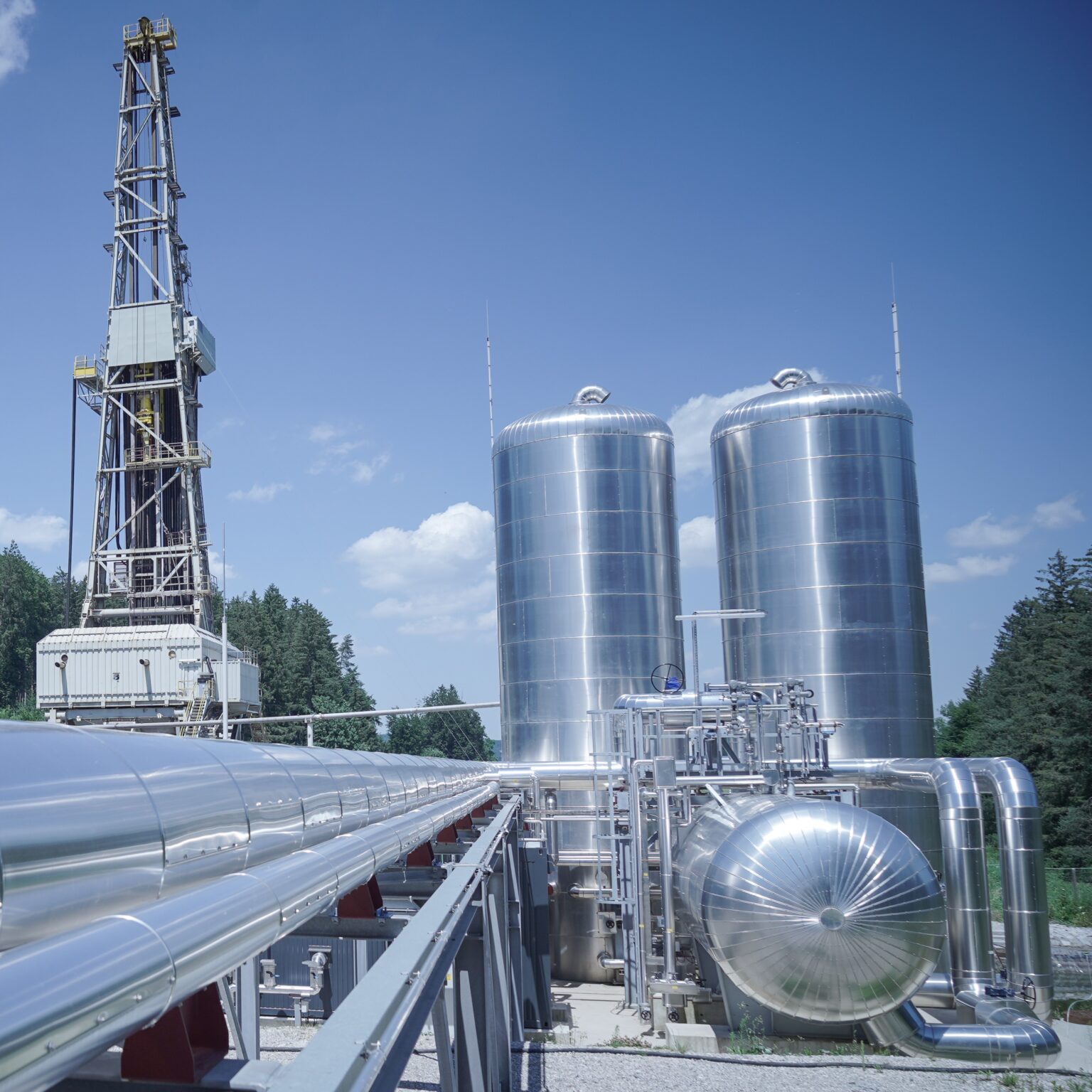

Calgary-based Eavor Technologies has connected its Geretsried facility to the German grid, representing the first commercial deployment of closed-loop multilateral well geothermal technology. The milestone arrives as European nations accelerate baseload renewable capacity additions, though the economics and scalability of closed-loop systems remain under industry scrutiny.
The Geretsried project distinguishes itself from conventional geothermal through its closed-loop architecture, which eliminates the need for water sourcing, treatment infrastructure, and periodic redrilling cycles that typically burden open-loop installations. This design choice addresses two persistent cost drivers in geothermal operations: formation water management and production decline over time. Whether these theoretical advantages translate to competitive levelized costs of energy at scale has yet to be demonstrated across multiple installations.
Financing structure for the German facility included nearly €45 million in InvestEU-guaranteed loans from the European Investment Bank, supplemented by EU Innovation Fund grants and additional banking partnerships. This blended finance approach reflects both investor interest in first-of-kind energy infrastructure and the risk premium associated with unproven commercial technology. The Canada Growth Fund’s participation signals Ottawa’s strategy to support domestic clean technology companies through initial commercialization phases, particularly in sectors where Canadian firms compete with established European and Asian players.
OMV’s involvement as project partner provided subsurface expertise and drilling operations support, capabilities the Austrian energy company developed through conventional oil and gas activities. The technology transfer between hydrocarbon drilling and advanced geothermal applications represents a broader industry trend as traditional energy operators seek to leverage existing competencies in the energy transition. OMV’s engagement also provides Eavor access to established European energy networks and regulatory relationships that could accelerate future deployments.
CHUBU Electric Power’s participation extends Japanese utility interest in geothermal beyond domestic volcanic resources. Japan’s constrained geography and limited indigenous energy resources drive ongoing evaluation of geothermal technologies that can operate in varied geological settings. The closed-loop approach theoretically expands deployable locations beyond high-grade geothermal resources, though performance data from Geretsried will be critical for assessing commercial viability in lower-temperature environments.
The technology’s applicability across diverse geologies constitutes its primary market positioning, yet this versatility requires validation through multiple regional installations. Geothermal projects historically face significant uncertainty in thermal resource assessment and subsurface performance prediction. Eavor’s closed-loop configuration may reduce some geological risks compared to enhanced geothermal systems, but drilling costs and heat extraction rates will ultimately determine competitive positioning against both conventional geothermal and other firm low-carbon generation sources.
European energy security considerations following the 2022 supply disruptions have elevated interest in indigenous baseload generation capacity. Geothermal offers dispatchable output without fuel supply chains, an attribute particularly valued in the current policy environment. However, high upfront capital intensity and extended development timelines present barriers to rapid scaling, even for technologies demonstrating technical feasibility.
The Geretsried facility’s operational data will provide the industry’s first commercial-scale performance metrics for closed-loop multilateral well design. Key parameters, including heat extraction efficiency, parasitic load requirements, and maintenance intervals, will inform subsequent project economics and financing terms. Absent a multi-year operational history, capacity factor assumptions and degradation rates remain uncertain variables in financial modeling.
Eavor’s commercialization pathway depends on translating single-project success into replicable deployment processes. Manufacturing supply chains for specialized drilling equipment, standardized engineering designs, and workforce training programs require development to support scaling ambitions. The geothermal industry’s historical challenge has been moving from successful pilot projects to cost-competitive serial deployment, a transition that proves more difficult than initial technical demonstrations suggest.
Market reception will hinge on demonstrated cost reductions through learning curves and whether closed-loop economics can compete with advancing battery storage, nuclear small modular reactors, and other technologies competing for baseload decarbonization applications. The German grid connection represents technical validation but leaves commercial competitiveness as the critical outstanding question for this geothermal approach.


