





Europe’s installed battery capacity surpassed 17 gigawatts in 2025 after adding more than 7 gigawatts in just two years, yet deployment remains uneven across the continent.
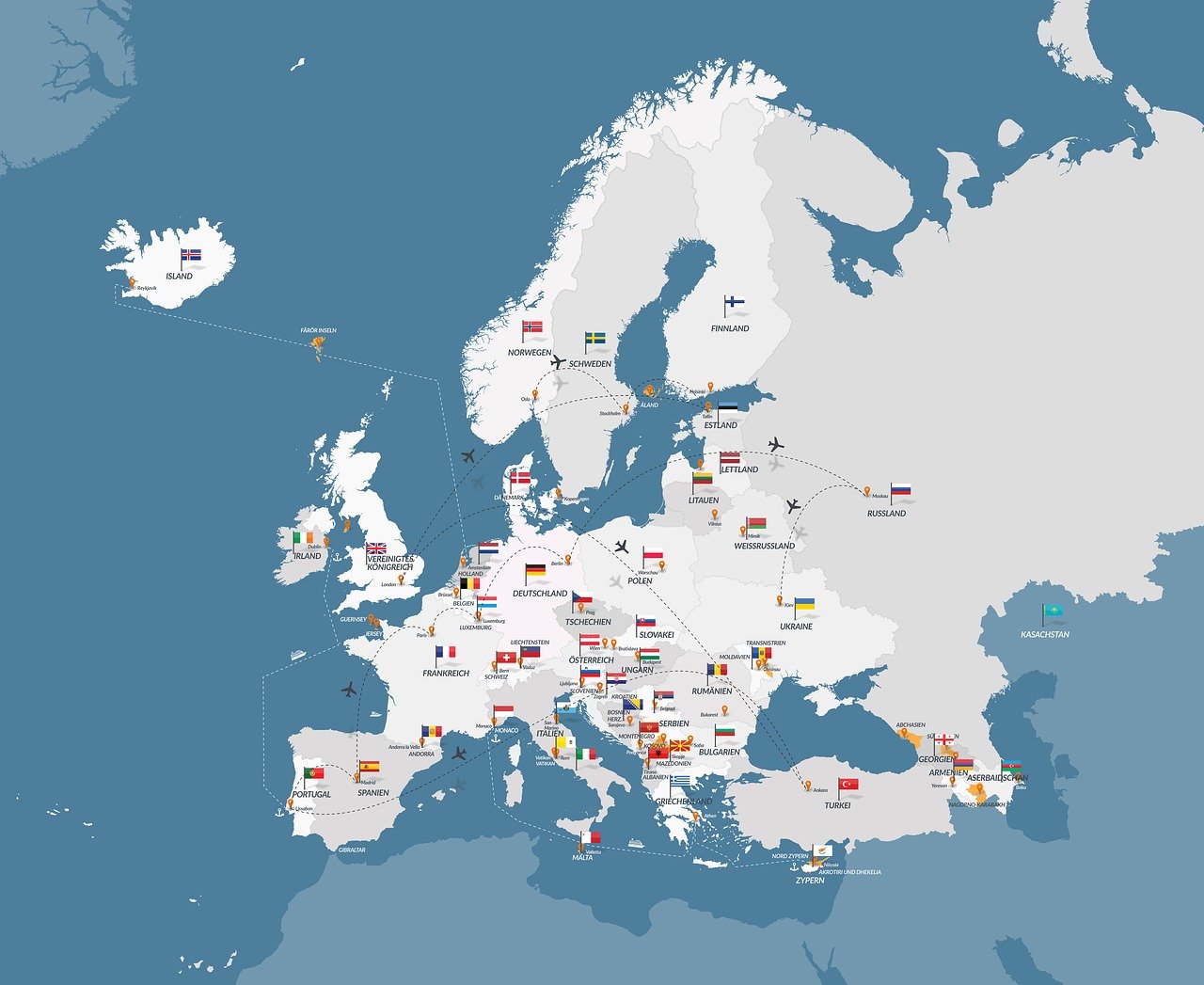
According to the latest European Battery Markets Attractiveness Report published by Aurora Energy Research, Germany, Great Britain, and Italy currently offer the most attractive conditions for battery investment among 28 assessed countries, largely because their power systems are already under measurable strain from decarbonization targets and renewable penetration.
Germany’s top ranking reflects the scale of its flexibility challenge rather than pure policy generosity. Rapid coal phaseout schedules and rising variable renewable output have increased intraday price volatility, creating a commercial case for batteries across multiple revenue streams. Aurora’s analysis suggests that both near-term arbitrage opportunities and longer-term system balancing needs are driving confidence that battery assets can remain bankable beyond initial subsidy or ancillary service windows.
Great Britain’s second-place position is underpinned by maturity rather than growth momentum alone. The market already hosts significant installed capacity, and while this has compressed some early revenue streams, diversified income from frequency response, balancing services, and wholesale trading continues to support investment. However, grid connection bottlenecks and queue management are increasingly shaping project timelines, signaling that future returns will depend as much on system access as on technology costs.
Italy’s rise to third place highlights how targeted policy mechanisms can accelerate storage deployment when structural flexibility needs are present but market signals remain weak. The MACSE subsidy scheme has improved near-term visibility for long-duration projects, particularly four-hour batteries, which Aurora estimates will attract a substantial share of the €24 billion expected to be invested in such systems by 2030. That focus on duration reflects a broader shift as daily price spreads and evening peak coverage become more valuable than fast-response services alone.
Across Europe, Aurora forecasts total battery capacity exceeding 80 gigawatts by the end of the decade, with longer-duration systems gaining share as capital costs decline and renewable penetration rises. More than half of projected investment is expected to flow into four-hour batteries, underscoring a move away from purely ancillary-service-driven economics toward assets designed to manage multi-hour imbalances in decarbonizing grids.
Despite headline growth, development conditions vary sharply by market maturity. As Eva Zimmermann, Pan-European Senior Research Associate at Aurora Energy Research, noted, leading markets are already encountering grid constraints that slow new project approvals, while less developed systems will only see their first utility-scale batteries come online after 2026. This divergence is reshaping risk profiles, pushing conservative investors toward operating assets in mature markets and encouraging others to position early in emerging ones.
Southeastern Europe illustrates this shift. Countries such as Romania and Bulgaria now rank among the top ten battery markets, supported by improving cost economics and clearer policy frameworks. Yet these markets also face institutional and grid readiness challenges that could delay revenue realization, reinforcing the importance of project structuring over headline capacity potential.