



Jordan has signed a memorandum of understanding with the European Bank for Reconstruction and Development to support its goal of sourcing 50 percent of energy from renewables by 2033 through a more integrated approach combining project financing, regulatory reform, and infrastructure development.
The agreement, signed with Jordan’s Ministry of Planning and International Cooperation, Ministry of Energy and Mineral Resources, and National Electric Power Company, outlines a multi-layered framework that extends beyond renewable deployment. While solar and wind capacity additions remain central, the inclusion of battery energy storage systems and transmission upgrades reflects a recognition that grid limitations, rather than generation capacity, are increasingly becoming the primary bottleneck.
Jordan’s renewable expansion over the past decade has already exposed these constraints. High penetration of variable solar generation has led to curtailment during off-peak periods, while limited grid flexibility has constrained further integration. The EBRD’s role in supporting the preparation and implementation of new renewable and storage tenders suggests a move toward more system-oriented planning, where generation and flexibility assets are procured in tandem.
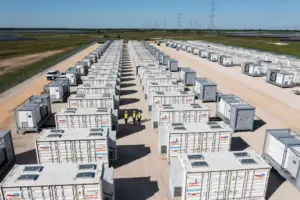
Battery storage is expected to play a key role in this transition, particularly in managing daily demand fluctuations and reducing reliance on conventional peaking plants. However, the effectiveness of storage deployment will depend on market design and tariff structures, areas where the agreement also signals reform. Improving the financial sustainability of the electricity sector remains a critical challenge, as National Electric Power Company has faced persistent financial pressures linked to fuel import costs and tariff imbalances. Without addressing these structural issues, large-scale investment in new assets risks exacerbating fiscal strain.
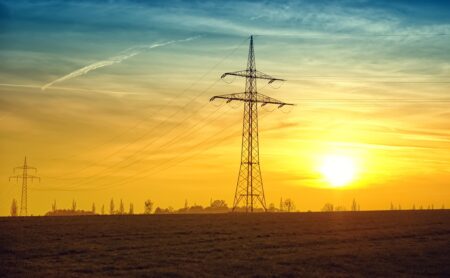
Transmission infrastructure represents another focal point of the partnership. Strengthening the national grid is essential not only for integrating additional renewable capacity but also for enabling regional interconnections and future export opportunities. The modernization of transmission networks is particularly relevant for Jordan’s longer-term ambition to position Aqaba as a hub for green hydrogen production and export.
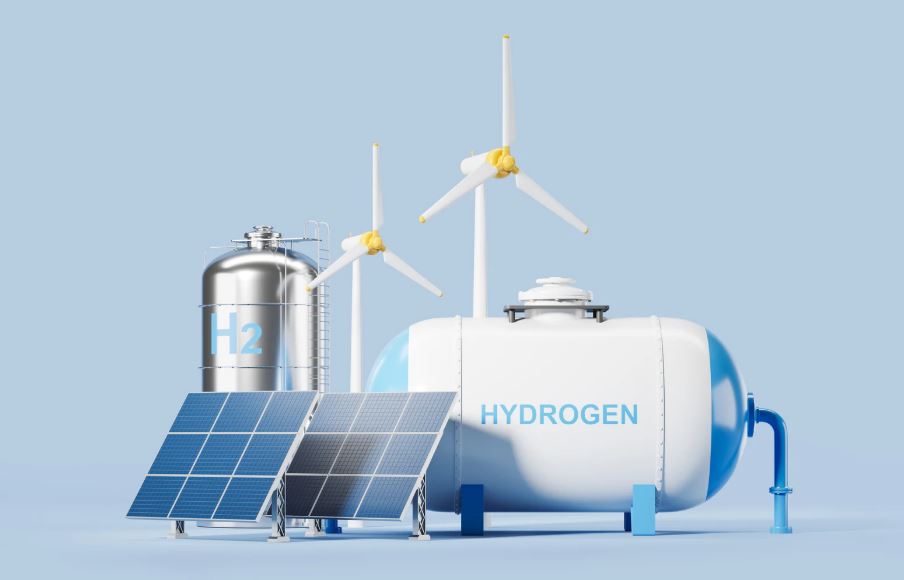
Hydrogen development introduces a different set of challenges. While Jordan benefits from favorable solar resources and geographic proximity to potential export markets, the economics of green hydrogen remain uncertain, particularly in the absence of firm demand signals and cost-competitive supply chains. The EBRD’s commitment to provide technical assistance, alongside potential financing, suggests a phased approach that prioritizes feasibility and project structuring before large-scale capital deployment.
Positioning Aqaba as a hydrogen hub also requires alignment across multiple infrastructure layers, including renewable generation, desalination for water supply, port facilities, and export logistics. This level of coordination extends beyond the energy sector, raising governance and planning challenges that have historically slowed similar initiatives in other regions.
The MoU reflects a broader trend in emerging markets, where multilateral development banks are playing an increasingly active role in bridging gaps between policy ambition and implementation capacity. By combining financial instruments with technical expertise and regulatory support, institutions like the EBRD aim to de-risk investments and accelerate project timelines. However, the success of such frameworks depends heavily on domestic policy execution and institutional coordination.