


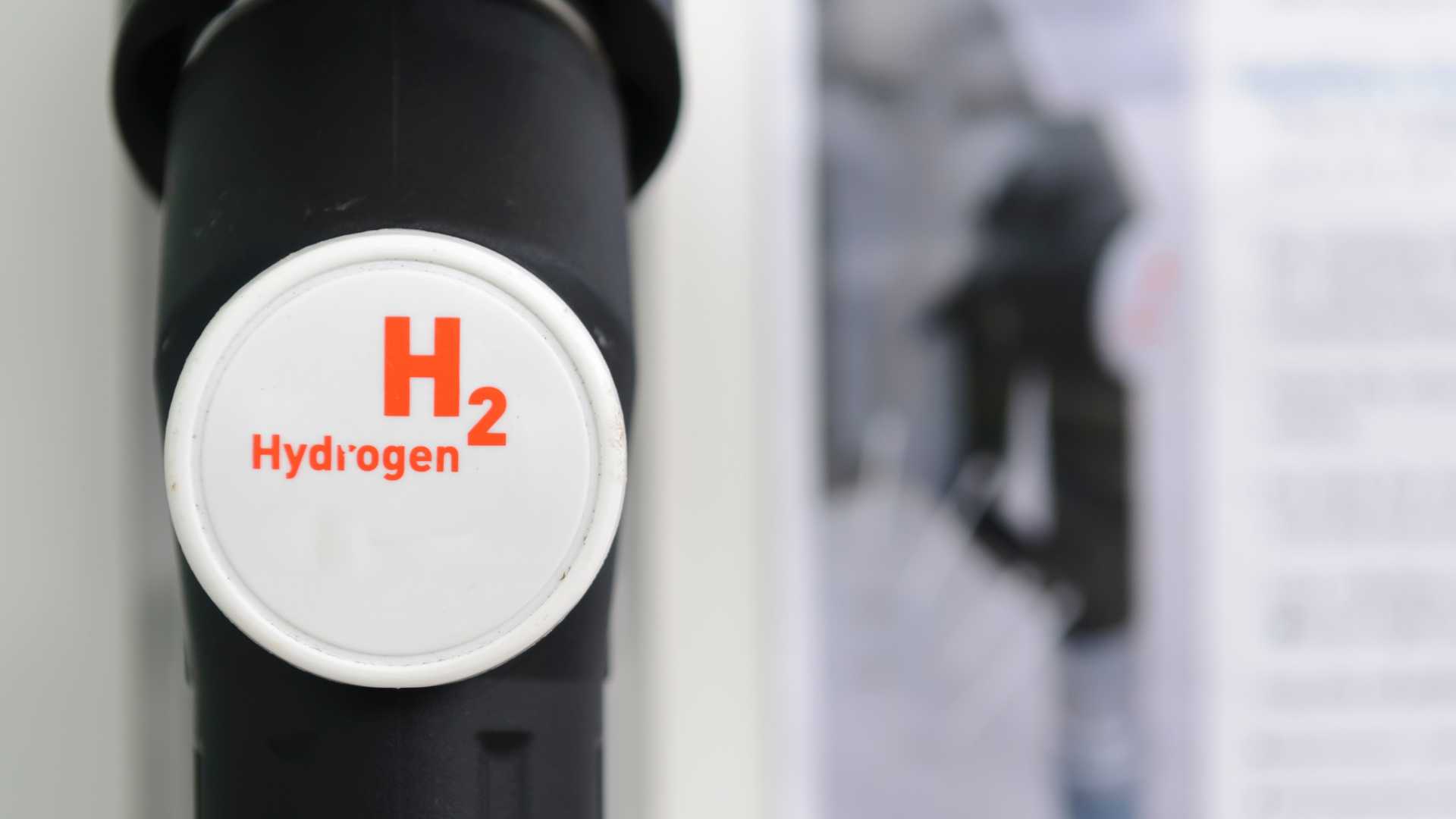


Germany’s network of hydrogen filling stations is facing a bumpy road. Recent closures in Koblenz, Derching, and Wuppertal raise concerns about the viability and accessibility of hydrogen fuel cell vehicles.
Three public hydrogen stations in Germany are slated for closure: Koblenz (April 1st, 2024), Derching (April/June 2024), and Wuppertal (April/June 2024). While H2 Mobility, the operator, cites a need for a “modern, efficient H2 filling station network,” the immediate impact falls on local hydrogen car users.
The closure of Koblenz, once hailed as a “lighthouse project,” is particularly concerning. It leaves a significant gap in the A61 corridor, forcing drivers to detour to Mönchengladbach or Bonn for refueling. Similarly, Derching’s closure disrupts travel between Ulm and Munich.
H2 Mobility offers a glimmer of hope for Koblenz, suggesting potential intervention by “local actors.” This indicates a possible reprieve if local efforts to keep the station operational prove successful.
These closures come despite Germany boasting the highest number of hydrogen stations in Europe (105 out of 265 at the end of 2023). The shutdowns raise questions about the long-term viability of hydrogen infrastructure and its ability to support a growing fleet of hydrogen vehicles.
The recent closures of hydrogen stations in Germany cast a shadow on the country’s clean energy goals. While H2 Mobility promises a revamped network, immediate concerns remain for existing hydrogen car users. Addressing profitability, strategic infrastructure development, and consumer confidence are crucial steps to get Germany’s hydrogen highway back on track.
Add EnergyNews.biz as a preferred source on Google


