



Germany’s ambition to anchor a hydrogen based industrial transition is colliding with hard infrastructure timelines and unresolved cost pressures. That tension is visible in the decision by transmission system operator Ontras Gastransport to commission nearly 110 kilometers of hydrogen pipelines to supply steelmaker Salzgitter, even as large parts of Europe’s green steel pipeline remain exposed to market uncertainty.
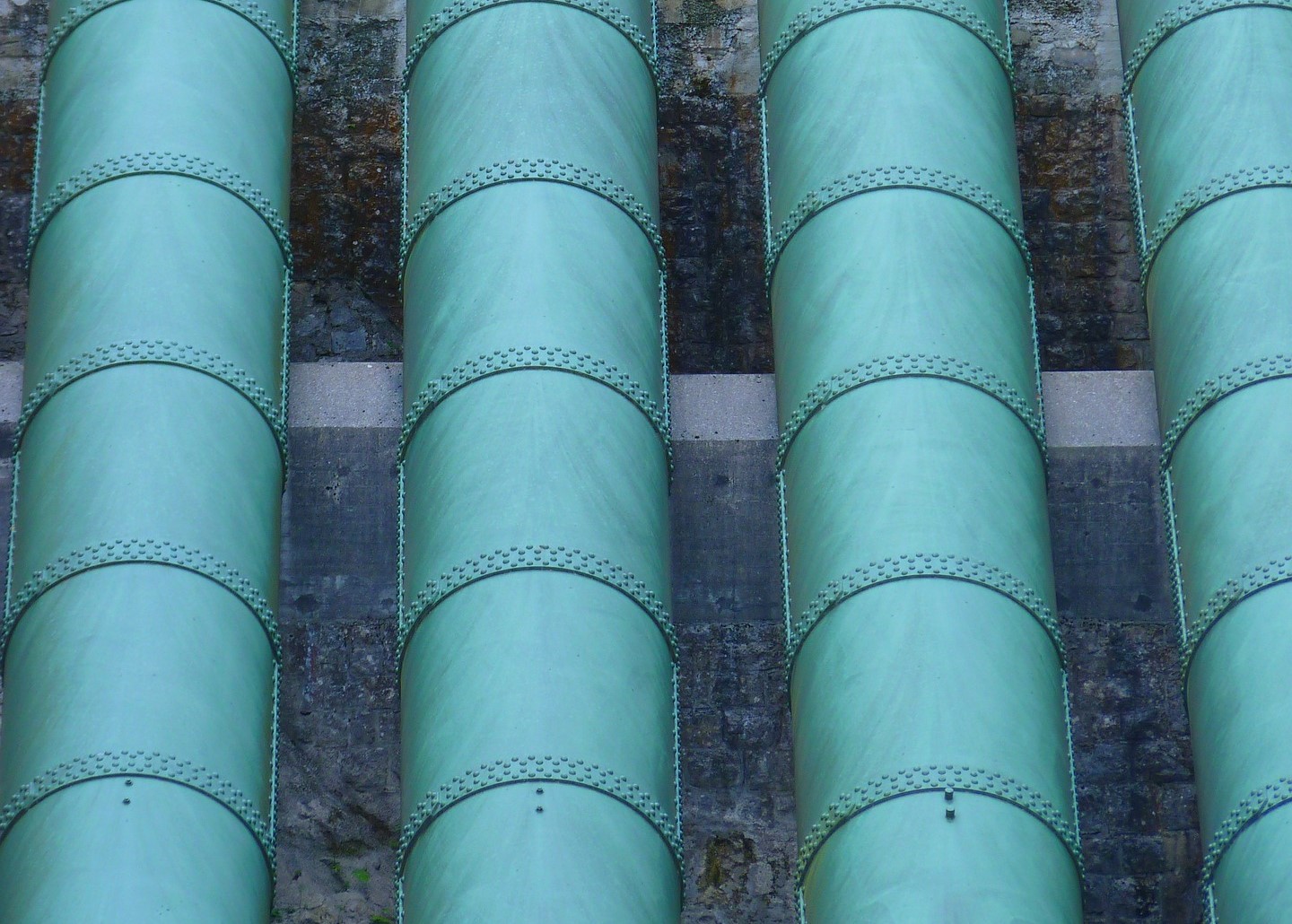
The project centers on the long distance FGL 702 pipeline, which will link Bad Lauchstädt with Salzgitter and eventually feed hydrogen into the company’s Salcos direct reduced iron program. Construction has been split between two Salzgitter subsidiaries. Mannesmann Grossrohr will build 70.6 kilometers between Salzgitter and Wefensleben, while Mannesmann Line Pipe will complete 38.2 kilometers from Angersdorf to Preußlitz. Pipe deliveries are scheduled to begin in February 2027, although a firm commissioning date for the pipeline has not been disclosed.
Strategically, the pipeline is designed to connect Salzgitter to Germany’s planned 9,000 kilometer hydrogen core network, which policymakers see as the backbone of a future low carbon industrial system. Yet the absence of a confirmed hydrogen supply source underscores a recurring challenge. Infrastructure development is moving ahead faster than secured volumes of competitively priced green hydrogen. For Salzgitter, this creates a dependency on third party producers whose projects are themselves sensitive to power prices, electrolyzer costs, and subsidy frameworks.
The pipeline is expected to serve the second phase of Salzgitter’s DRI rollout, which was pushed back to 2028 or 2029. That phase hinges on a tender for 100,000 tonnes of hydrogen supplied by external producers, following the planned startup of a 100 MW electrolyzer at the company’s Flachstahl site. While these volumes are modest relative to the scale required for full decarbonization of steelmaking, they represent an early test of whether Germany’s hydrogen market can function beyond pilot scale.
Public funding has played a central role in keeping the Salcos program on track. The initiative recently secured an additional €322 million from Germany’s Federal Ministry for Economic Affairs, supplementing roughly €1 billion committed in 2022 through the European Important Projects of Common European Interest framework. Even with this support, cost competitiveness remains fragile. Green hydrogen based DRI still carries a significant premium over conventional blast furnace routes, particularly in periods of high electricity prices.
That cost pressure is reshaping corporate strategies across the sector. ArcelorMittal, the world’s second largest steel producer, has delayed final investment decisions on its own decarbonization projects, despite securing about €3.5 billion in subsidies for DRI installations. The hesitation highlights a broader industry concern that policy support alone may not offset operating cost risks without stronger carbon pricing signals or long term offtake guarantees.