





Swiss Geo Energy has secured a surface exploration permit in the Canton of Vaud to assess natural hydrogen, helium, and deep geothermal resources within a single integrated program, marking a first for Switzerland’s subsurface development strategy.
The Jorat project introduces a multi-resource exploration model that departs from conventional single-commodity approaches. Rather than evaluating geothermal potential or gas resources in isolation, the program is designed to assess overlapping subsurface systems through a unified dataset. The initial phase relies on non-invasive techniques, including passive seismic, magnetotelluric, gravity, and soil gas surveys, aimed at building a comprehensive geological profile before committing to higher-cost interventions such as 3D seismic imaging and exploratory drilling.
This sequencing reflects both economic and technical constraints. Subsurface exploration carries high upfront risk, particularly in emerging resource categories such as natural hydrogen, where commercial-scale production remains unproven in most regions. By layering multiple resource targets within the same exploration campaign, developers can distribute geological and financial risk across different potential revenue streams, improving the probability of a viable project outcome.
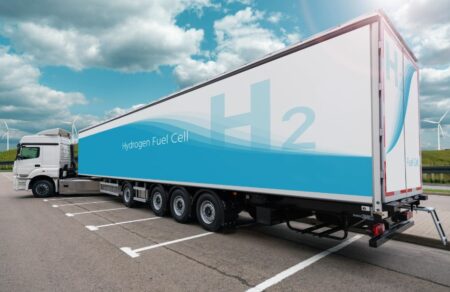
Natural hydrogen, sometimes referred to as white hydrogen, represents one of the least mature segments of the hydrogen market. Unlike green hydrogen, which relies on electrolysis, or blue hydrogen, which depends on carbon capture, natural hydrogen is generated through geological processes such as serpentinization. Its potential advantage lies in avoiding energy-intensive production pathways. However, uncertainties around reservoir size, flow rates, and extraction methods continue to limit its commercial development. Exploration programs such as Jorat are therefore as much about resource validation as they are about production planning.
Helium adds a different dimension to the project’s economics. As a critical input in sectors including healthcare imaging, semiconductor manufacturing, and aerospace, helium is characterized by tight supply conditions and limited substitution options. Europe’s reliance on imports exposes it to supply disruptions and price volatility. Identifying domestic sources, even at relatively small scale, could have disproportionate strategic value. However, helium is typically recovered as a byproduct of natural gas extraction, raising questions about the geological likelihood of economically recoverable concentrations in regions without established hydrocarbon systems.
Geothermal energy, by contrast, represents a more established technology pathway, particularly for heat generation and, in certain cases, electricity production. Deep geothermal systems offer baseload renewable energy, but their deployment has been constrained by drilling costs, resource uncertainty, and, in some regions, public concerns related to induced seismicity. Integrating geothermal exploration with hydrogen and helium assessments could improve overall project viability by combining a proven energy source with higher-risk, higher-value resource opportunities.
The Jorat program’s integrated design also aligns with broader European policy objectives focused on energy security and decarbonization. Decentralized production of energy and critical materials is increasingly viewed as a way to reduce exposure to external supply chains. However, decentralization introduces its own challenges, particularly in terms of infrastructure development, permitting, and economic scale. Smaller, distributed projects may struggle to achieve the cost efficiencies associated with larger, centralized systems.
Technically, the success of the exploration campaign will depend on the resolution and interpretability of the geophysical data collected during the initial phase. Passive seismic and magnetotelluric methods can provide insights into subsurface structures and fluid pathways, but translating these signals into reliable resource estimates requires careful calibration and, ultimately, validation through drilling. The transition from surface exploration to subsurface characterization represents a critical inflection point, both in terms of cost and project risk.
From a market perspective, the project highlights a broader trend toward convergence in subsurface resource development. As the energy transition progresses, the distinction between energy resources and critical materials is becoming less defined. Hydrogen, helium, and geothermal energy occupy different positions on the maturity spectrum, yet their co-location within a single geological system creates opportunities for integrated development models that were not previously considered.