



The 2025 World Hydrogen Expo opened with a signal of where the industry believes future competitiveness will come from: advanced technologies capable of lowering system costs, improving operational reliability, and enabling real-world deployment.
With more than 100 speakers and a growing emphasis on commercialization, the H2 Innovation Award has become a bellwether for how the ecosystem evaluates technical merit and market readiness across the full hydrogen value chain.
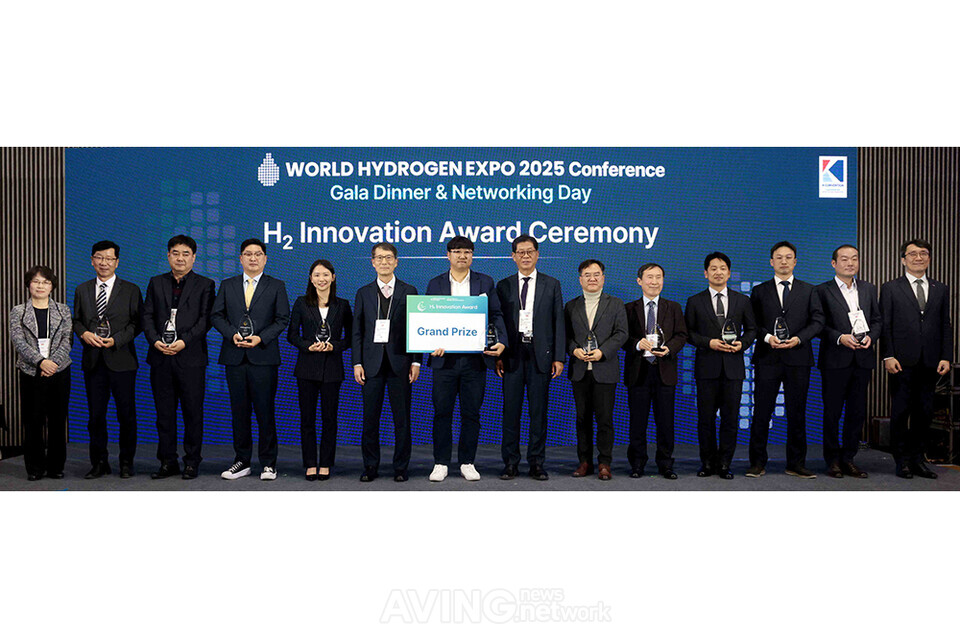
Now in its fifth year, the award assesses contenders across innovation, technological excellence, marketability, and growth potential, criteria reflecting persistent concerns about scaling, cost curves, and safety standards. Ten companies advanced to the finals across production, storage and distribution, and utilization, illustrating how differentiated the sector has become as policymakers push for near-term decarbonization and industry seeks bankable solutions.
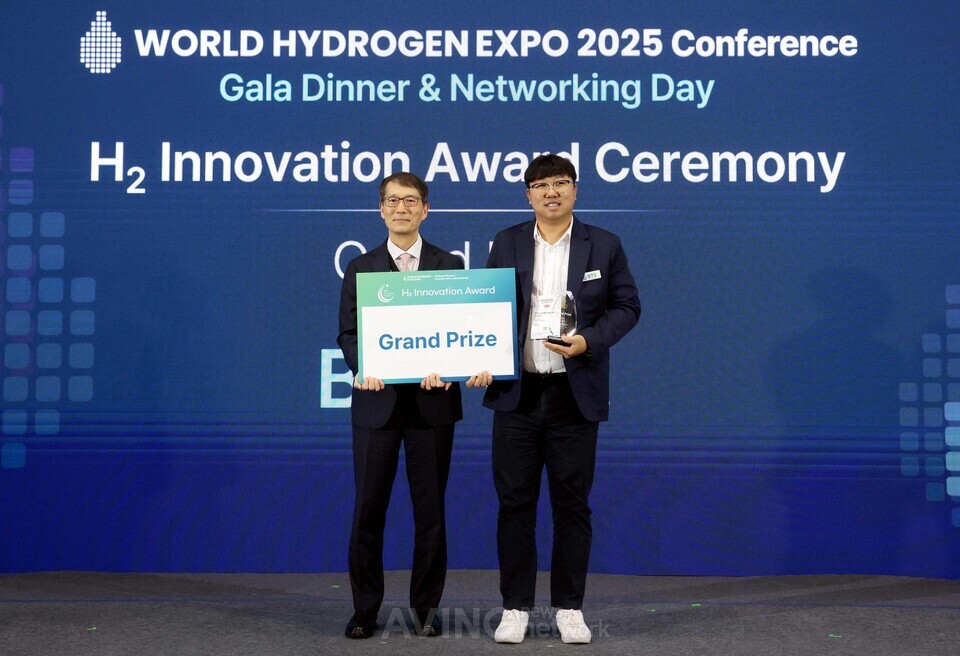
BTE’s “GEN100” hydrogen fuel cell generator secured the Grand Prize after evaluation by an expert panel. As a 100 kW modular unit designed for portable and distributed applications, the technology aligns with rising demand for clean onsite power in construction, events, and remote operations. Its dual function, electricity generation and air purification, addresses both emissions and local air-quality considerations. Yet its broader market impact will depend on continued cost reductions and the availability of reliable hydrogen supply, challenges that have slowed deployment in similar off-grid systems globally.
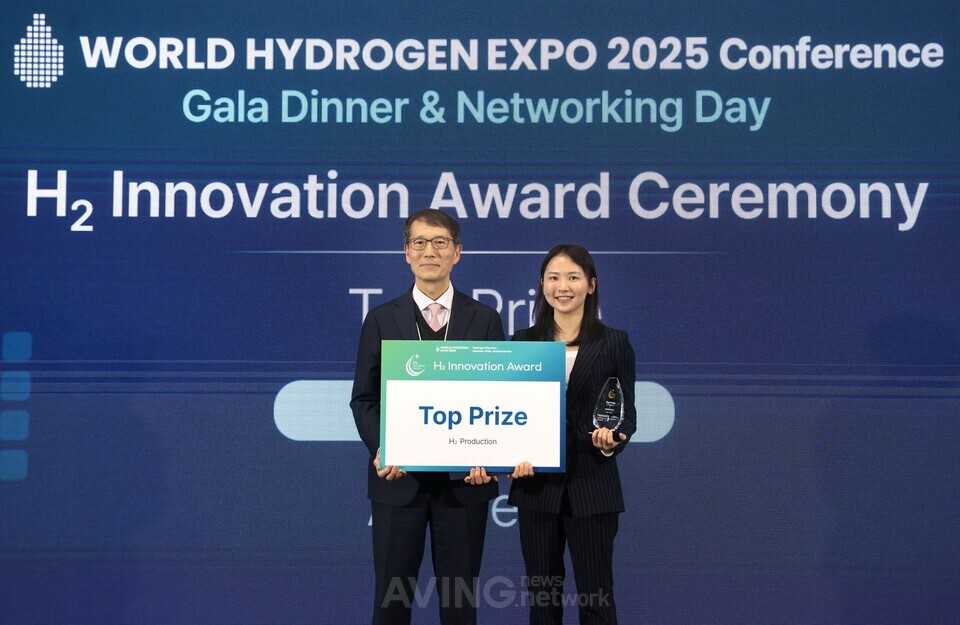
In the production category, APGREEN’s APG-Series targets a long-standing gap in decentralized hydrogen production. Based on catalytic partial oxidation, the system converts city gas, LNG, or bio-LNG into hydrogen and electricity through an integrated PEM fuel cell. The absence of process water requirements and its containerized format create advantages for sites where infrastructure limits the use of conventional electrolysis. However, as countries tighten methane-emission standards, small-scale systems reliant on natural-gas feedstock may face regulatory scrutiny unless paired with low-carbon gas certification frameworks.
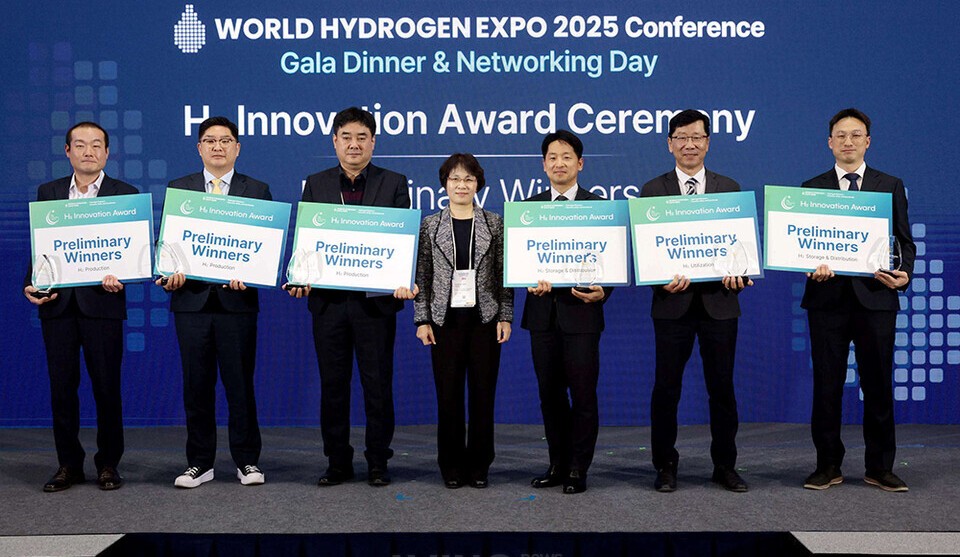
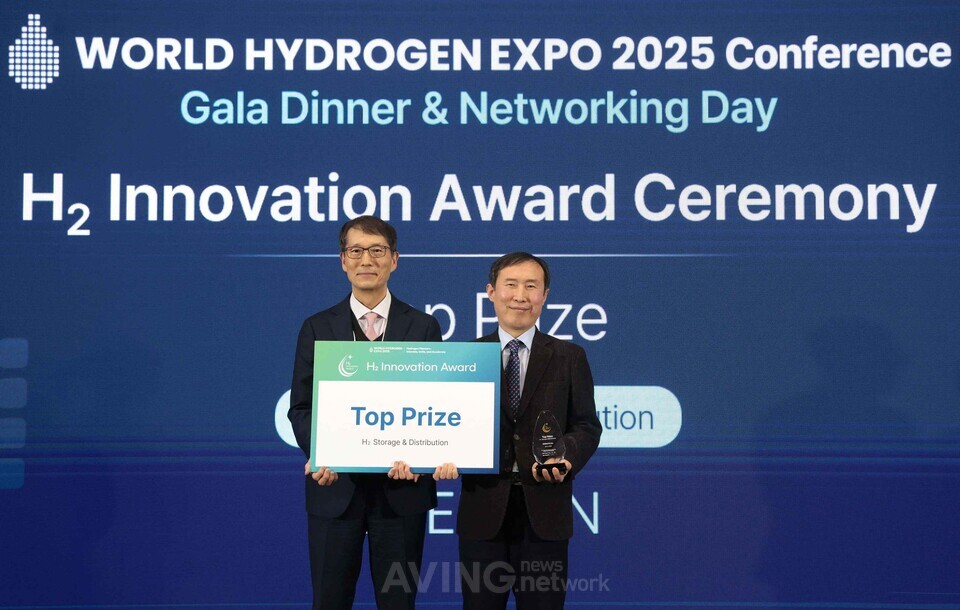
Energyn’s high-pressure bellows hydrogen compressor, winner in the storage and distribution category, addresses a critical bottleneck: compression reliability and contamination risk in refueling and industrial systems. By combining piston and diaphragm design characteristics, the compressor reduces friction, eliminates oil contamination, and enhances durability, issues frequently cited by operators of aging compression assets. Localizing this class of equipment also aligns with government efforts to reduce dependency on imported components, though long-term competitiveness will hinge on field performance and serviceability at scale.
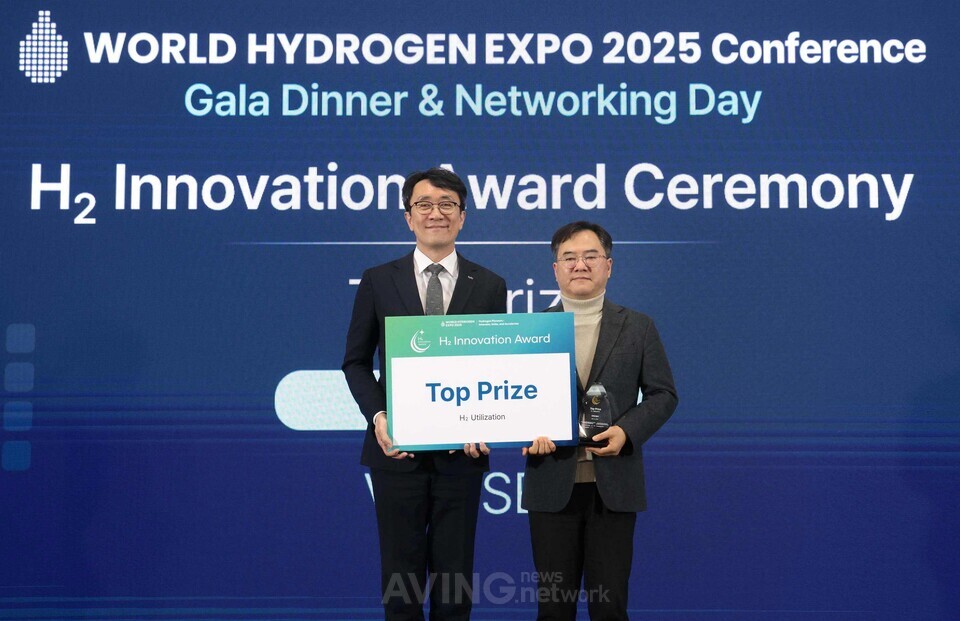
On the utilization side, VINSSEN’s 100 kW marine hydrogen fuel cell reflects growing attention to hard-to-abate sectors. Maritime transport faces mounting pressure to comply with emerging CO₂ and pollutant-emission limits, and the company’s modular, vibration-resistant system aims to provide an alternative for small- and mid-size vessels. The fuel cell’s integration with VINSSEN’s i-PMS enables optimized load management between batteries and cells, key for operational efficiency at sea. Certification from KR and RINA removes a significant regulatory barrier, but widespread adoption will rely on the availability of maritime-grade hydrogen bunkering infrastructure, which remains limited outside pilot ports.
Preliminary winners also point to diversification in early-stage hydrogen technologies, from microwave plasma hydrogen production to advanced monitoring systems for high-pressure vessels. These developments reflect a broader market trend: technologies focused on safety, efficiency, and distributed production continue to attract industry interest even amid global uncertainties around hydrogen demand and cost-parity timelines.
Award recipients receive financial support and promotional benefits, which for early-stage companies can help accelerate field demonstrations, an area where many hydrogen technologies stall due to permitting, cost, or customer-readiness barriers. Still, recognition alone does not guarantee scale; companies will need to demonstrate not only technical performance but also clear pathways to commercial deployment.


